HVAC's newest Refrigerants
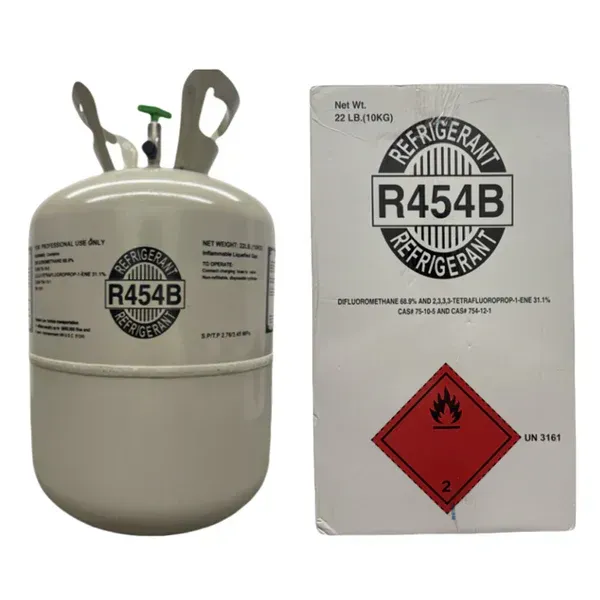
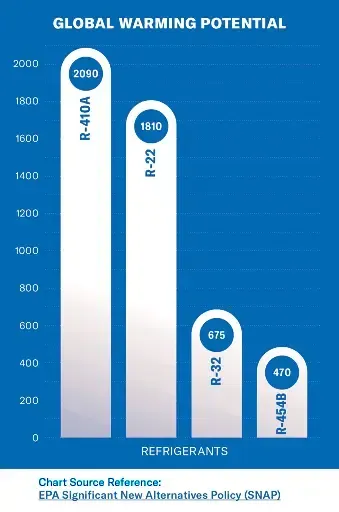
New refrigerant requirements from EPA mandates aimed at reducing greenhouse gas emissions are shaking up the HVAC industry. These requirements are causing a shift from R-410A refrigerant to A2L refrigerants R-454B and R-32. A2L refrigerants are low in toxicity and flammability. The shift is based around a metric called GWP, standing for Global Warming Potential, which measures how much heat a gas traps in the atmosphere compared to carbon dioxide. R-410A has a GWP of around 2,088, which means that 1 pound of R-410A released into the atmosphere has the same warming effect of 2,088 pounds of CO2.
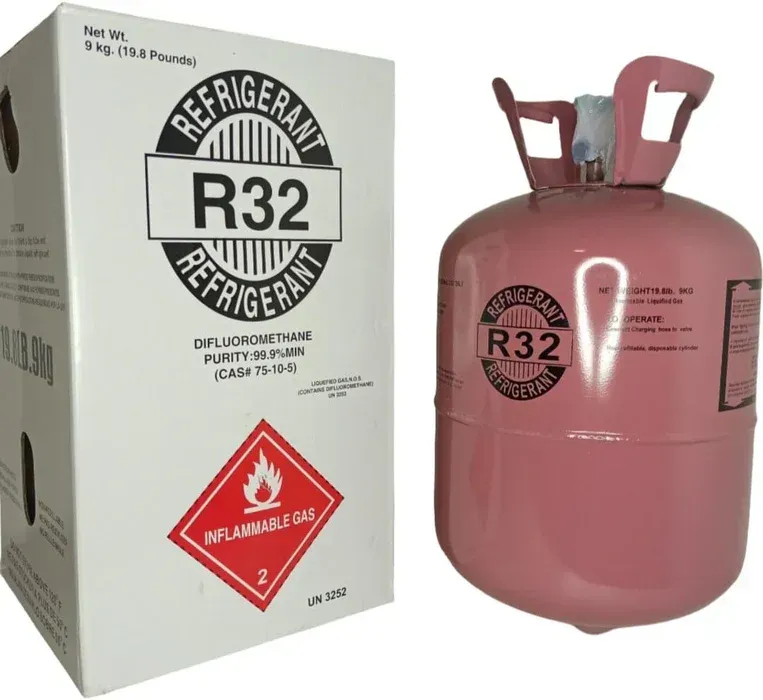
The primary replacement for R-410A currently is R-454B, which has a GWP of around 466, which is 78% lower than the old refrigerant. It offers similar performance characteristics as R-410A, which makes it a valid choice to transition to. The other popular replacement is R-32, which yields higher energy efficiency at a GWP of 675. Both R-454B and R-32 are very similar, with a practical difference in GWP. Most manufacturers are choosing R-454B because regulations are tightening over time, which gives R-454B more time before it faces new regulatory restrictions.
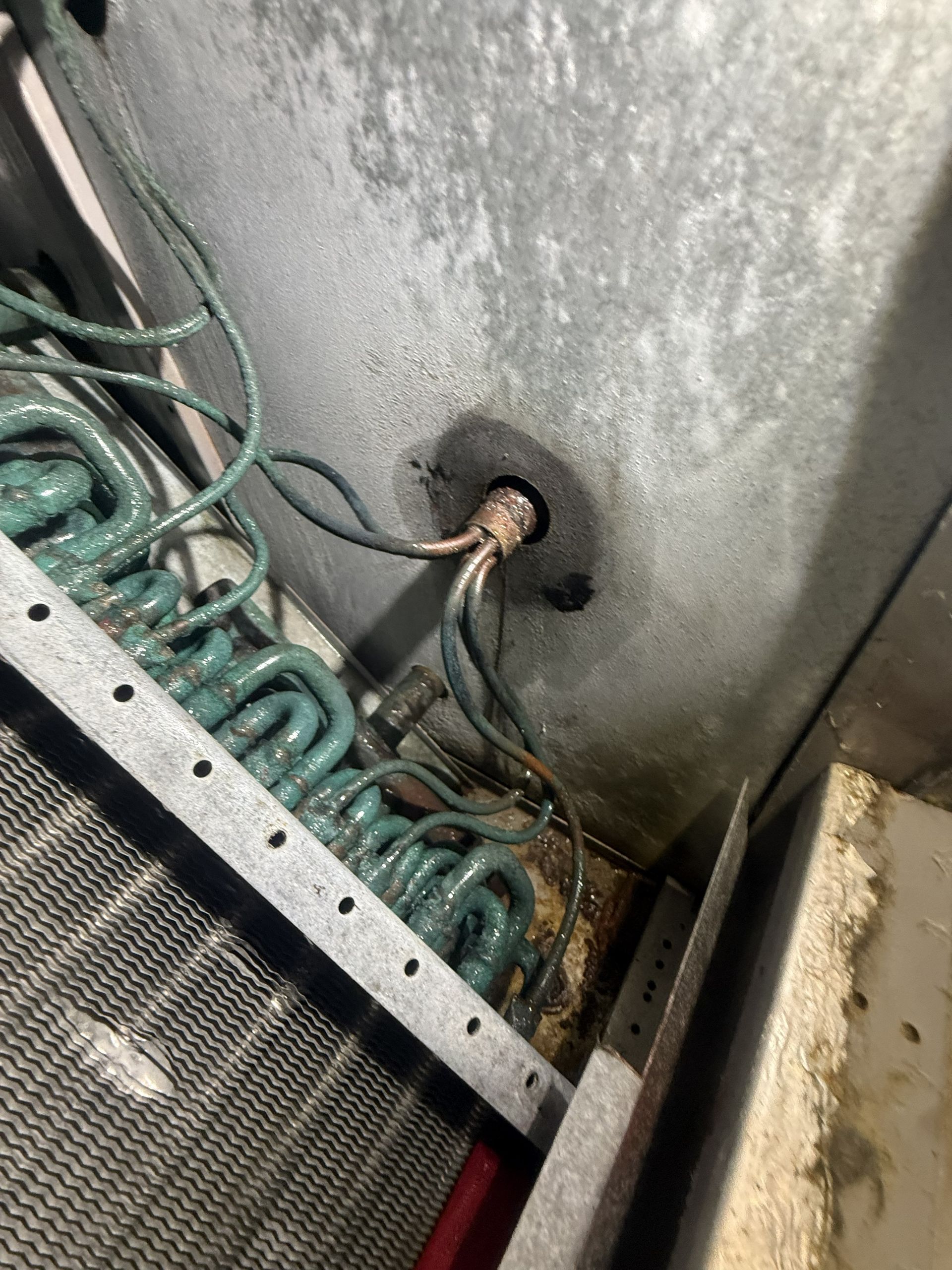
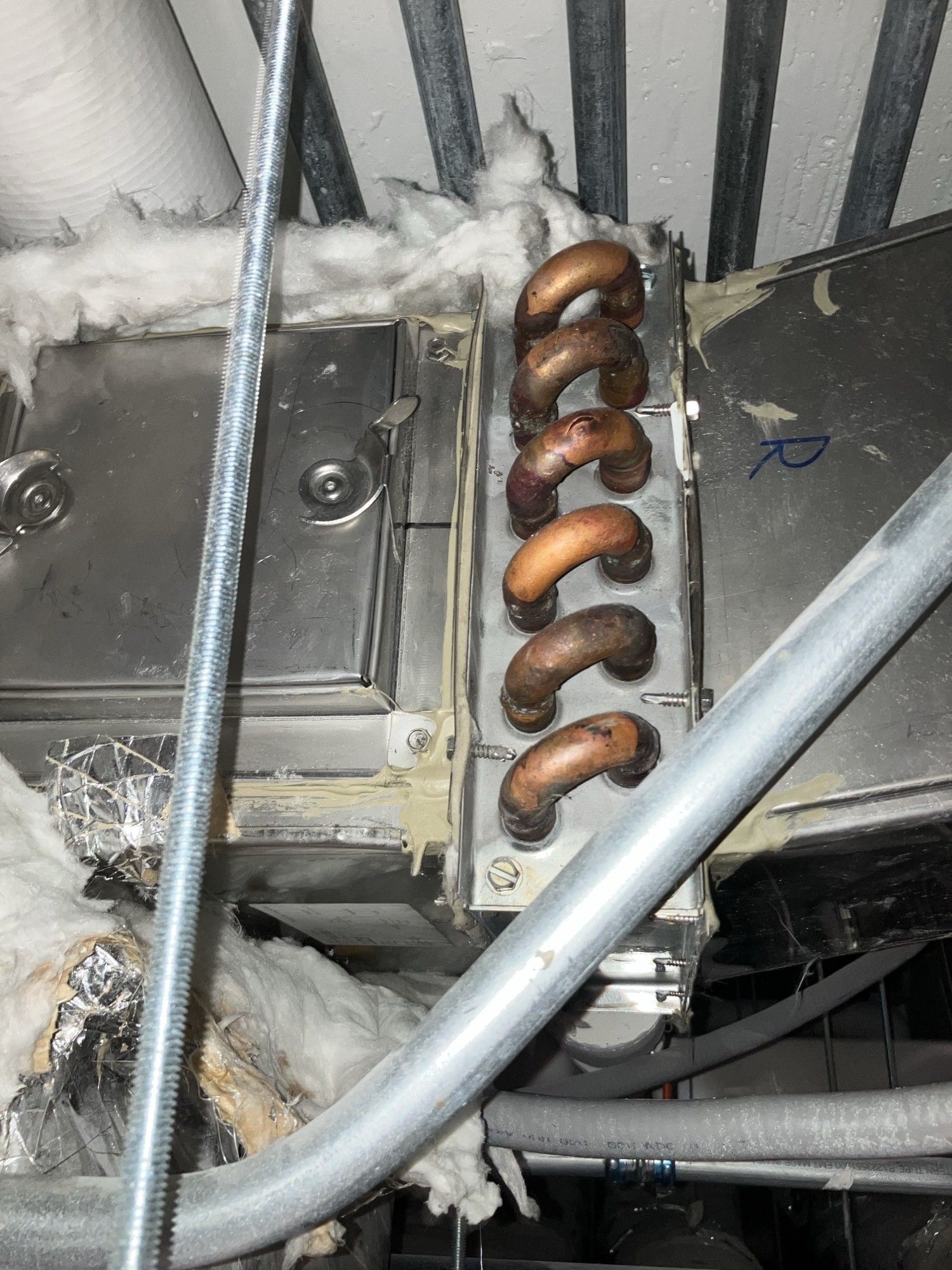
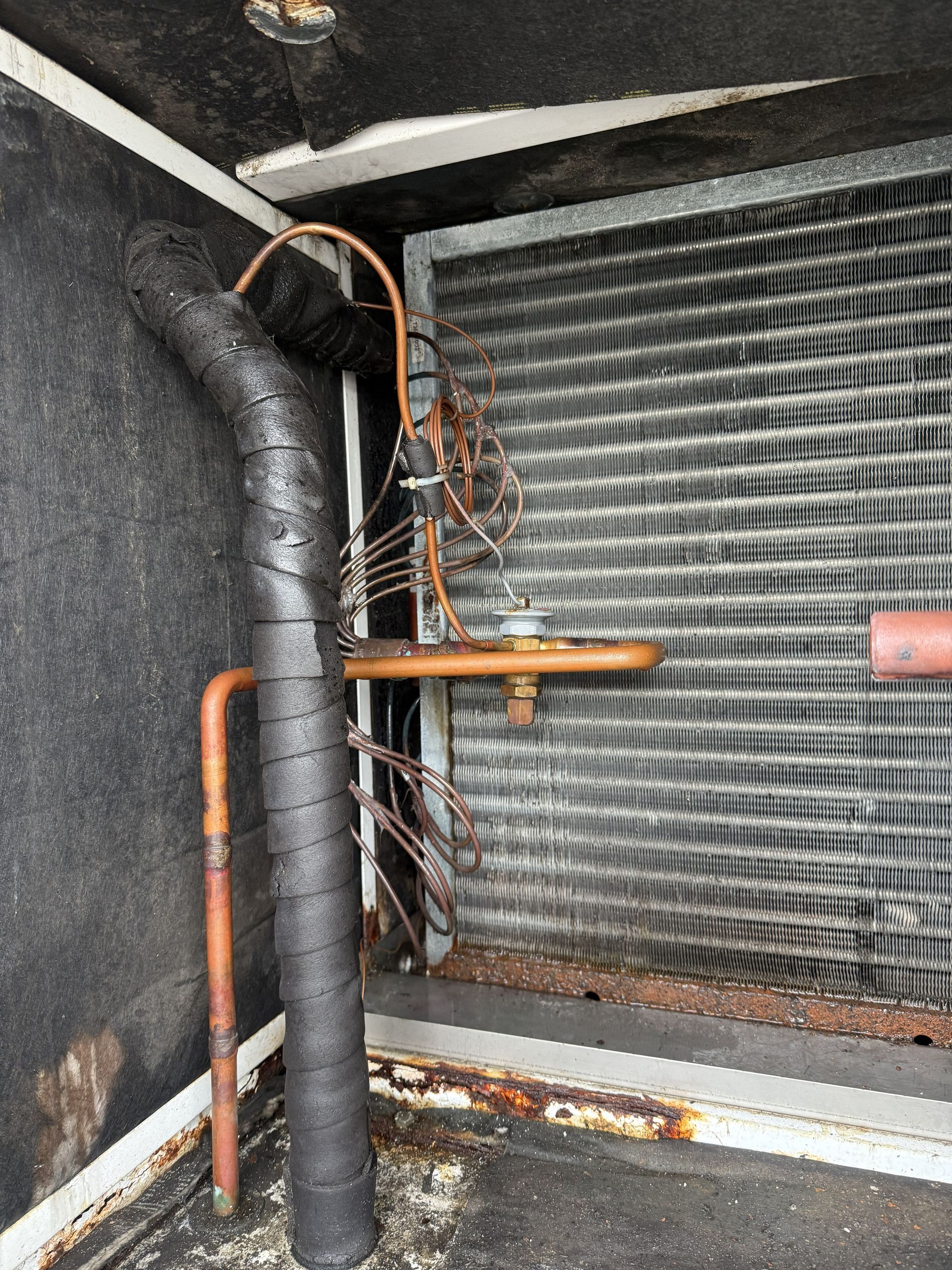
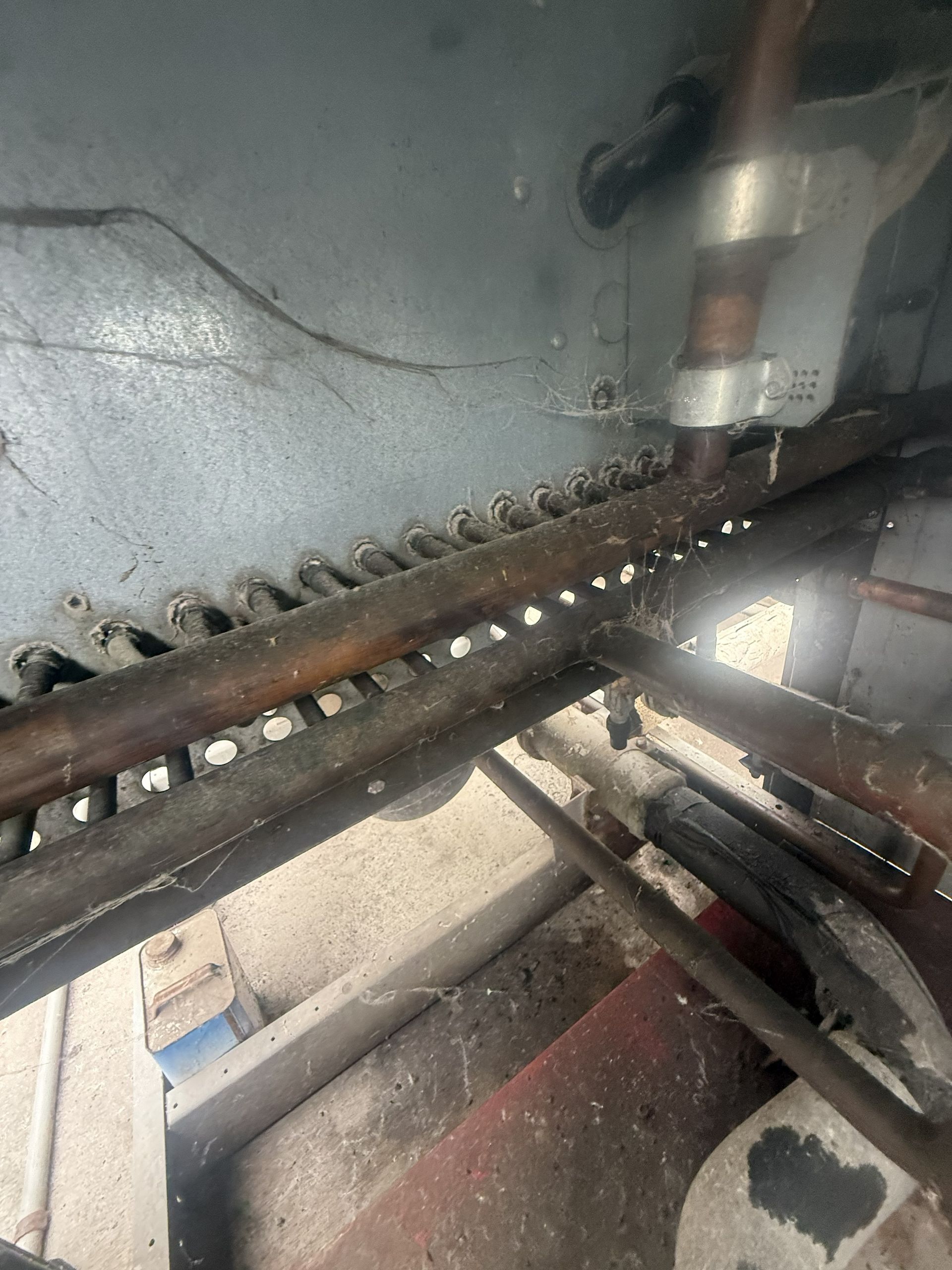
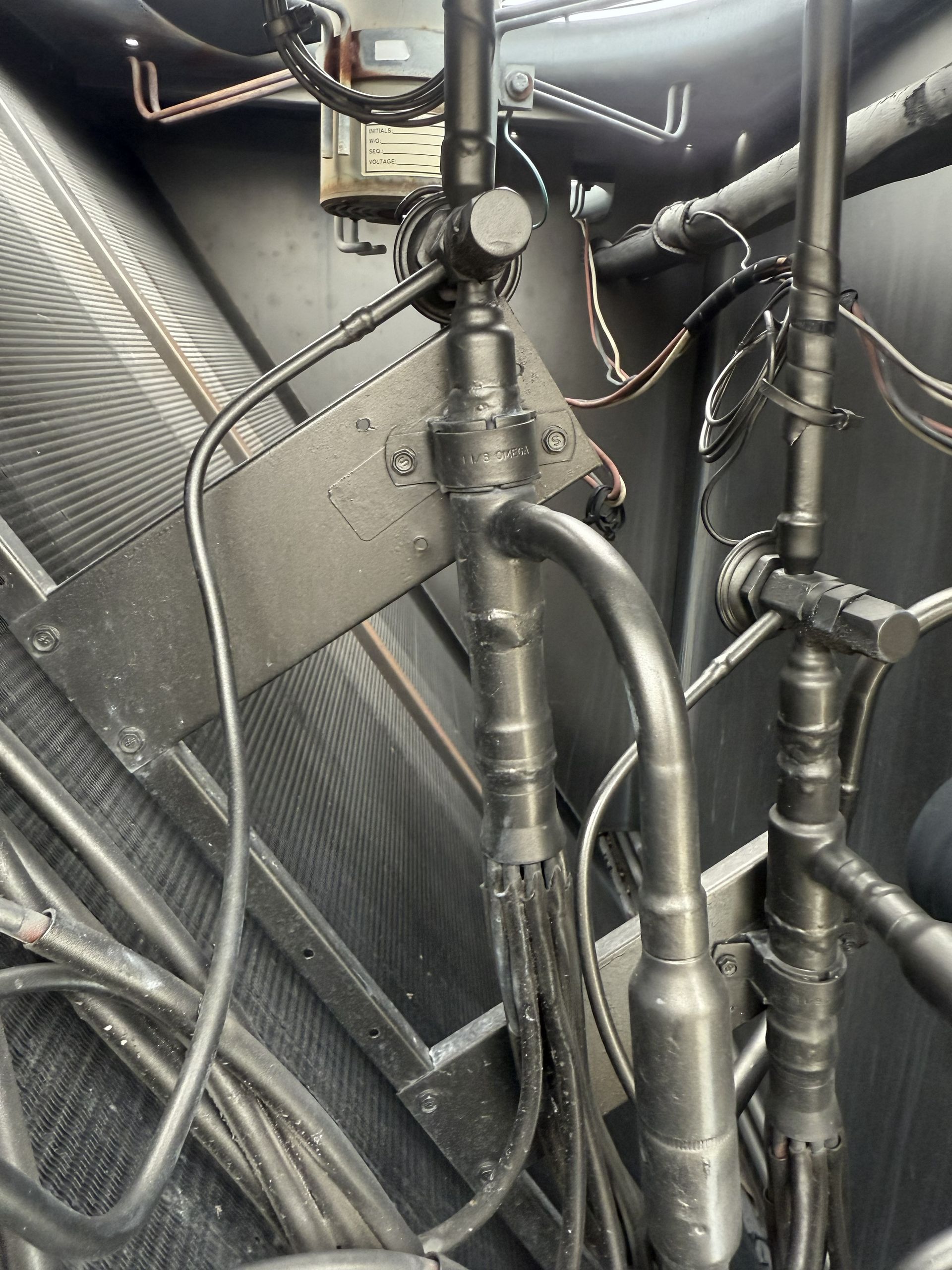
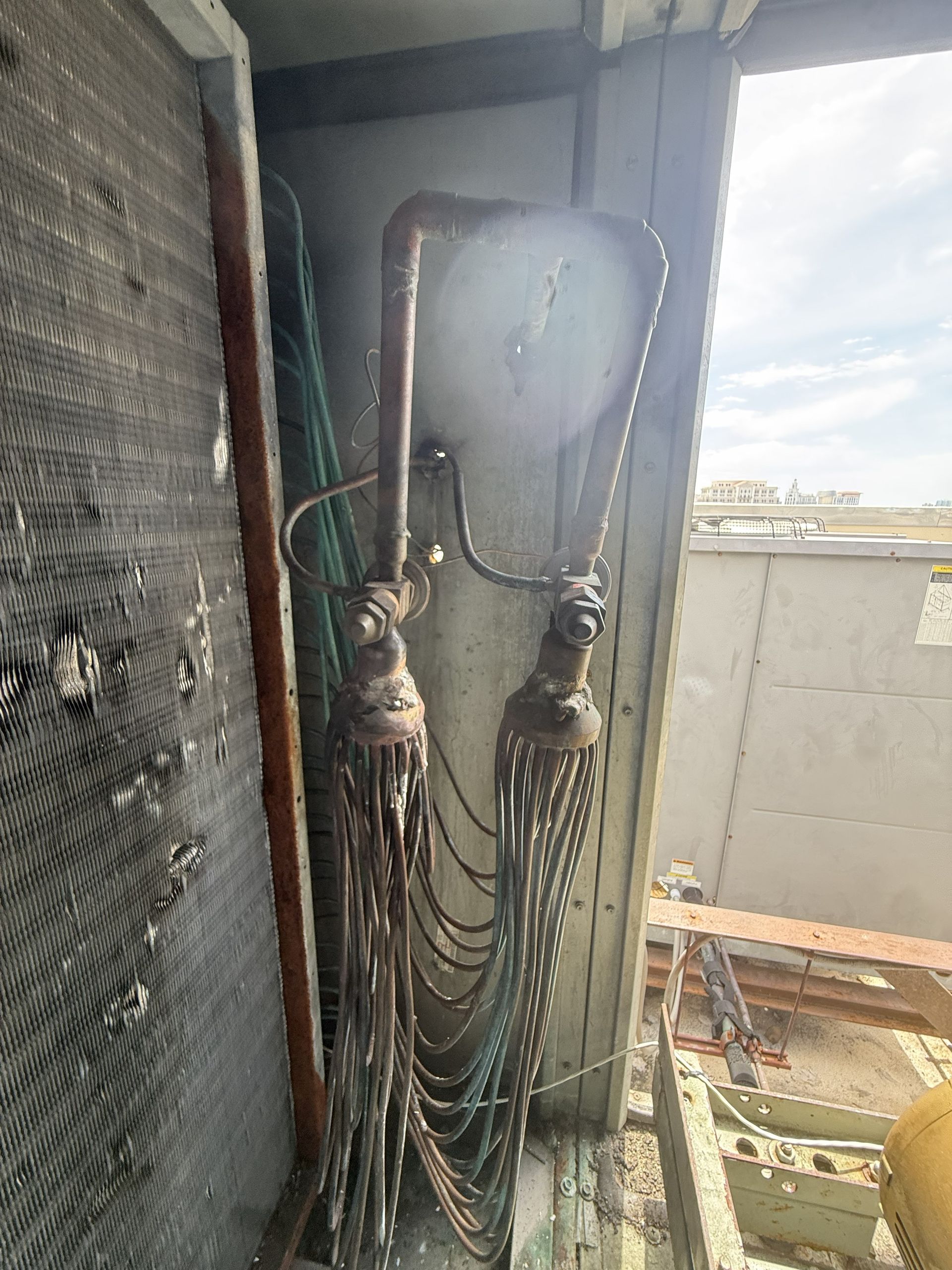
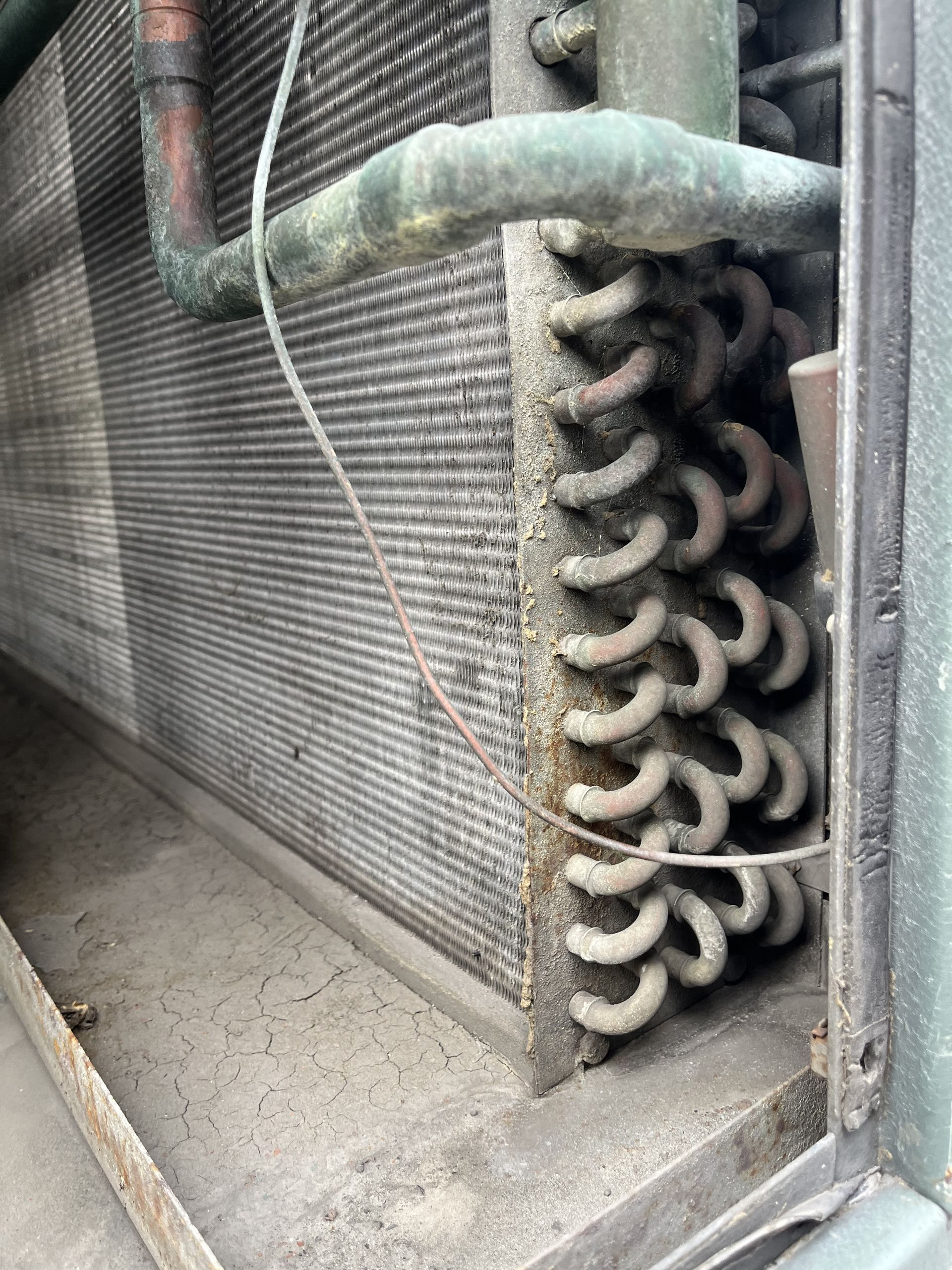
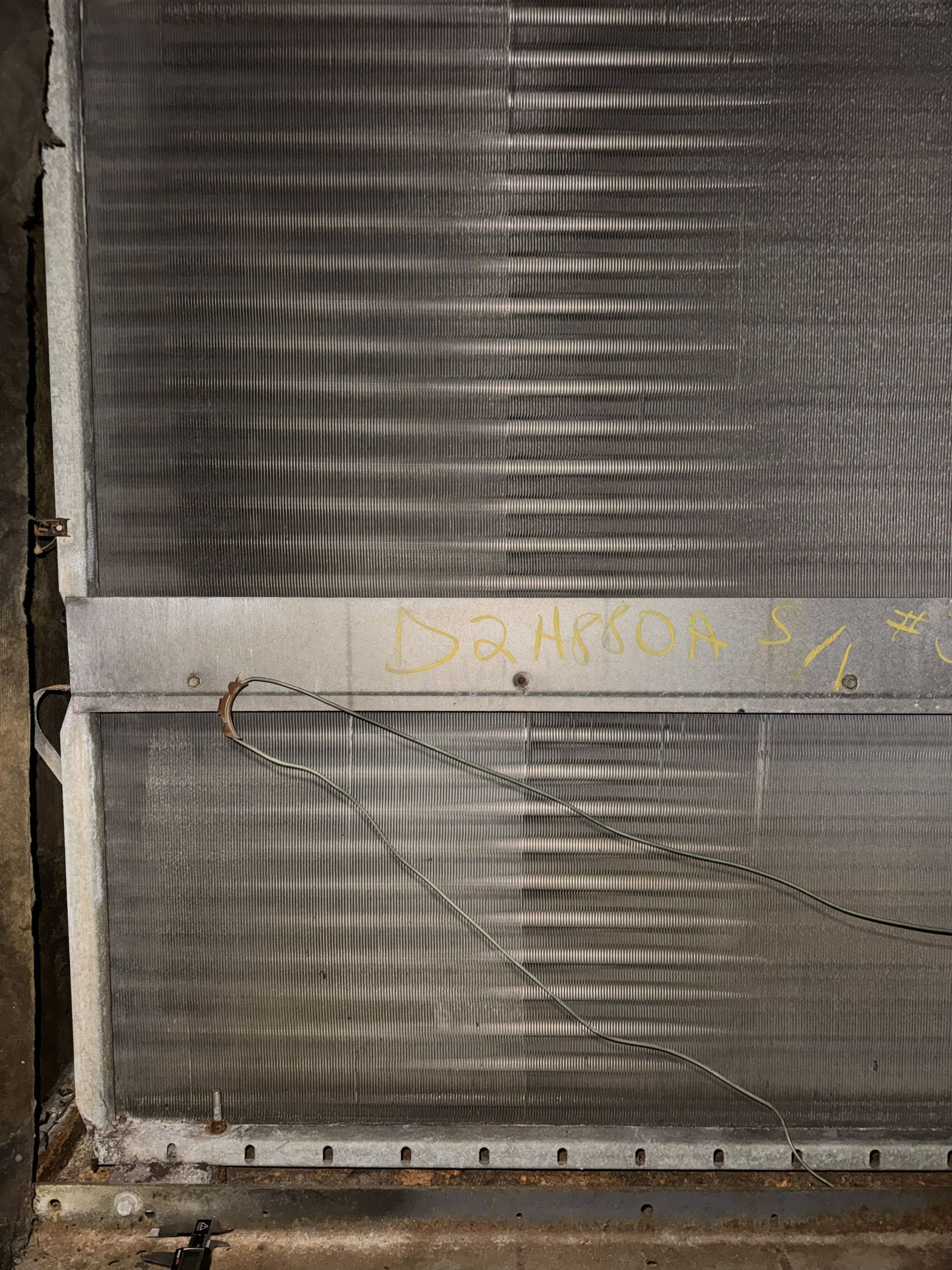
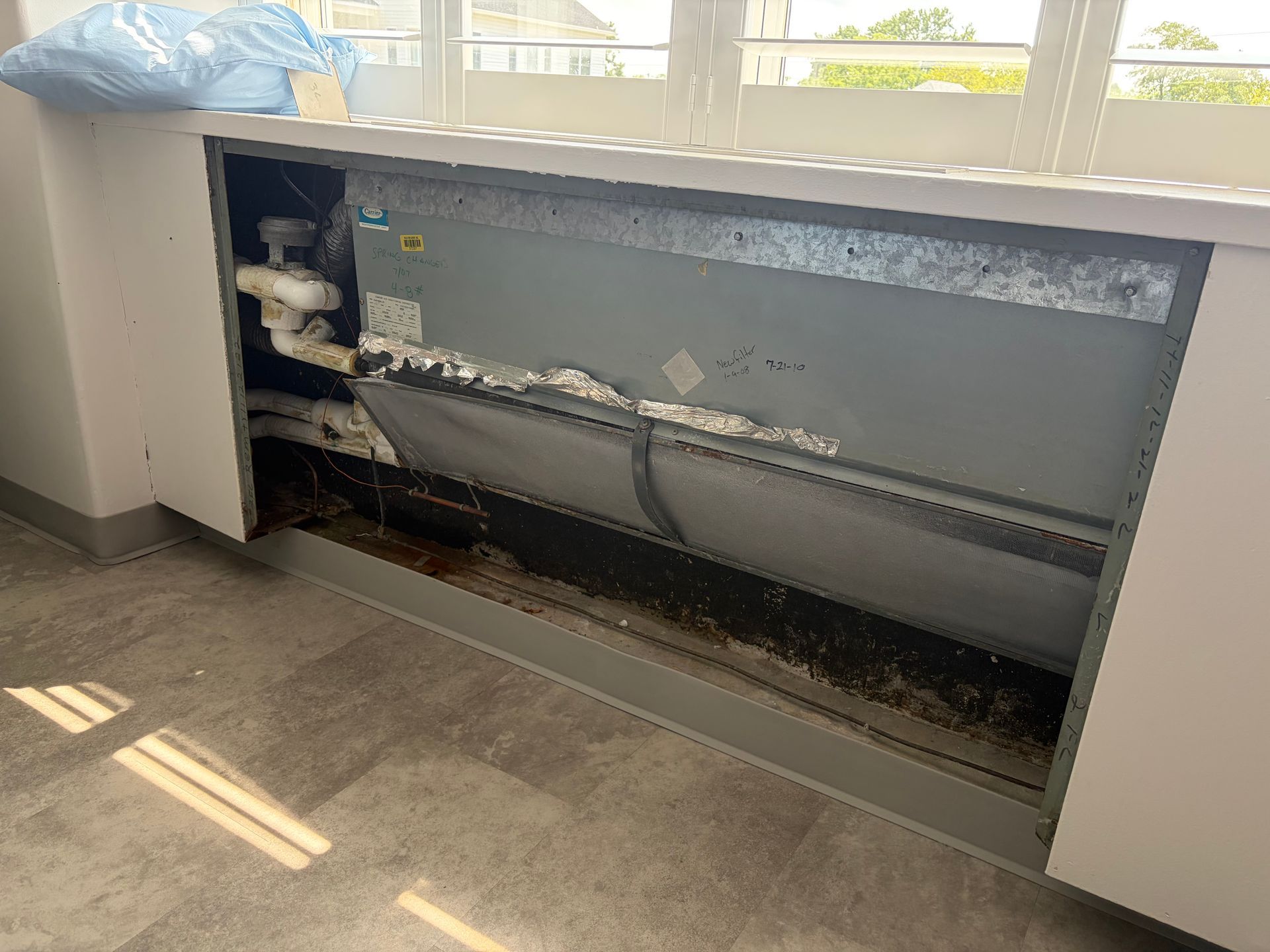
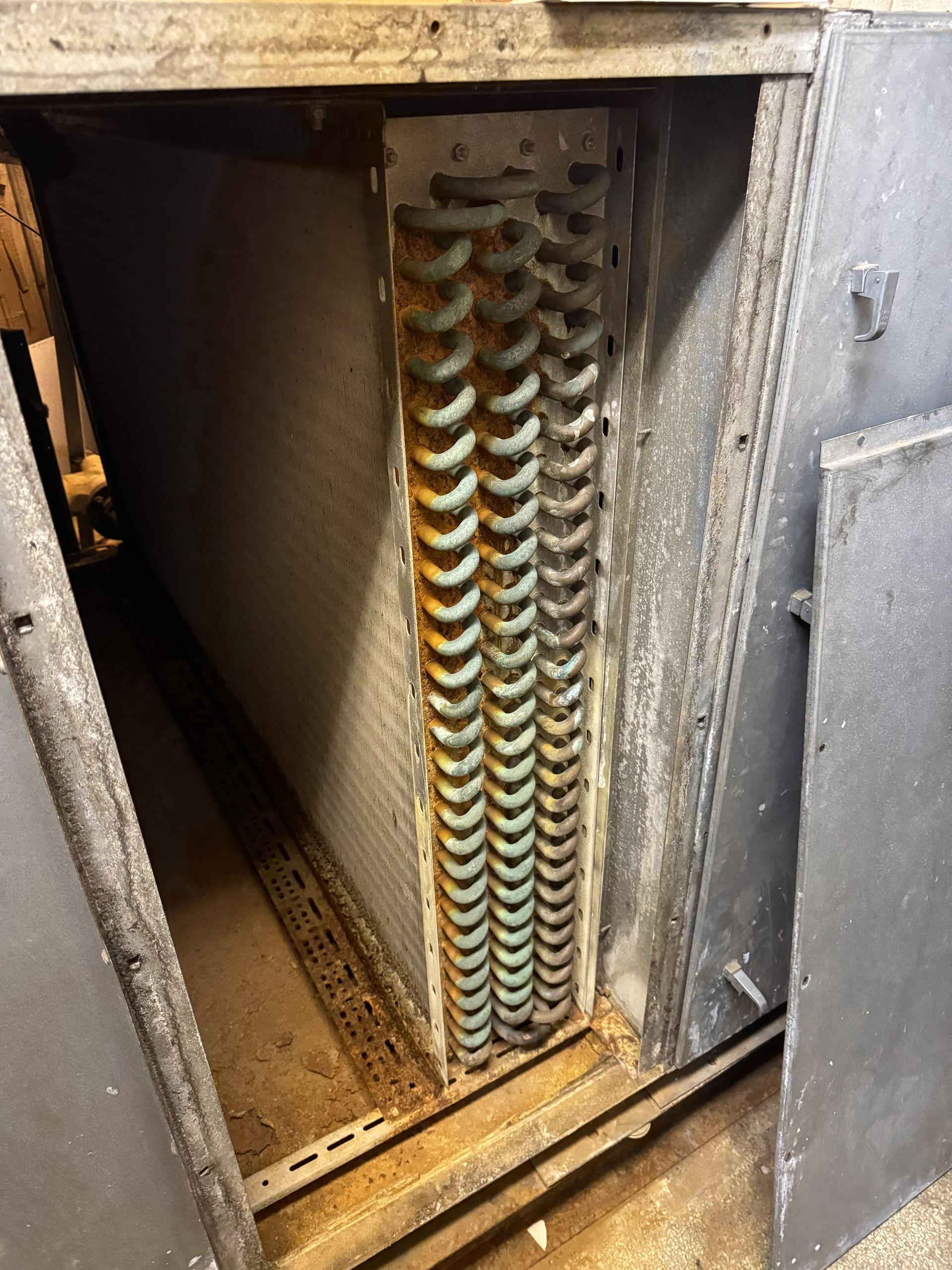
These refrigerants are not drop-in replacements, and need specialized new coils engineered specifically around them. Because coils and heat exchangers are engineered for specific refrigerant properties, manufacturers are having to redesign their systems around these new refrigerants. These changes may shift aspects such as efficiency targets and pressure drops, as well as coil circuitry. In addition, the demand for coils is increasing and pushing HVAC prices up. When replacing the refrigerant in already existing projects, custom coil solutions are needed to match old equipment with the new requirements.
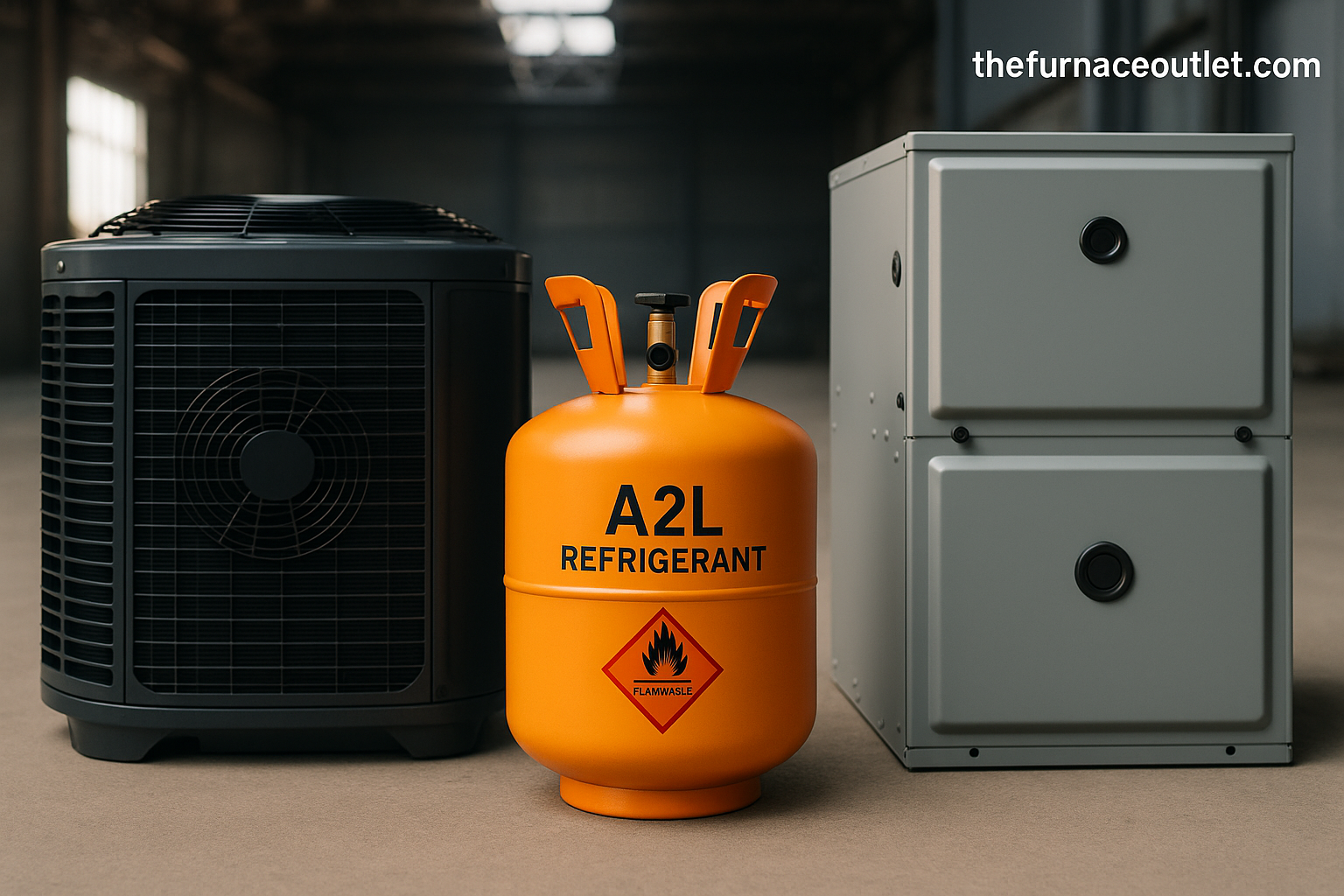
This change also brings about new installation procedures for contractors to learn, and training for technicians on A2L refrigerants. Because old and new equipment in certain projects cannot be used jointly, this makes inventory management more complicated as well.
HeatEX Technologies is in a terrific position to handle this change, offering specialized coils that can be used in adapting to R-454B and R-32 refrigerants. As the industry adapts to this transition, the need for engineered heat transfer solutions grows larger and larger. HeatEX Technologies helps support new equipment designs and retrofit applications by providing custom coil solutions designed to meet these new refrigerant requirements while maintaining system performance and reliability. We are able to do this by running performance on the spec’d coil in order to ensure that it meets the requirements of the system regardless of what refrigerant is being used.
To learn more about the EPA SNAP program, please visit the following website: Significant New Alternatives Policy (SNAP) Program | US EPA
Works Cited
“What Is R-410A Being Replaced With? R-454B and R-32 Explained.” Science Insights, Science Insights, https://scienceinsights.org/what-is-r-410a-being-replaced-with-r-454b-r-32/. Accessed 8 June 2026.
“Important Changes Coming to Air Conditioning Refrigerants.” Air Flow Designs, Air Flow Designs, https://www.airflowdesigns.com/blog/important-changes-coming-air-conditioning-refrigerants/. Accessed 8 June 2026.