What Actually Goes into Measuring a Coil
For any coil or heat exchanger replacement job, one of the first steps in the process is for HeatEX Technologies to measure the existing coil/heat exchanger to ensure a perfect fit in the unit. Recently, I had the privilege of going out to my second job site to take measurements with HeatEX Technologies. Here is my account of what actually goes into measuring a coil, and my experience from start to finish.
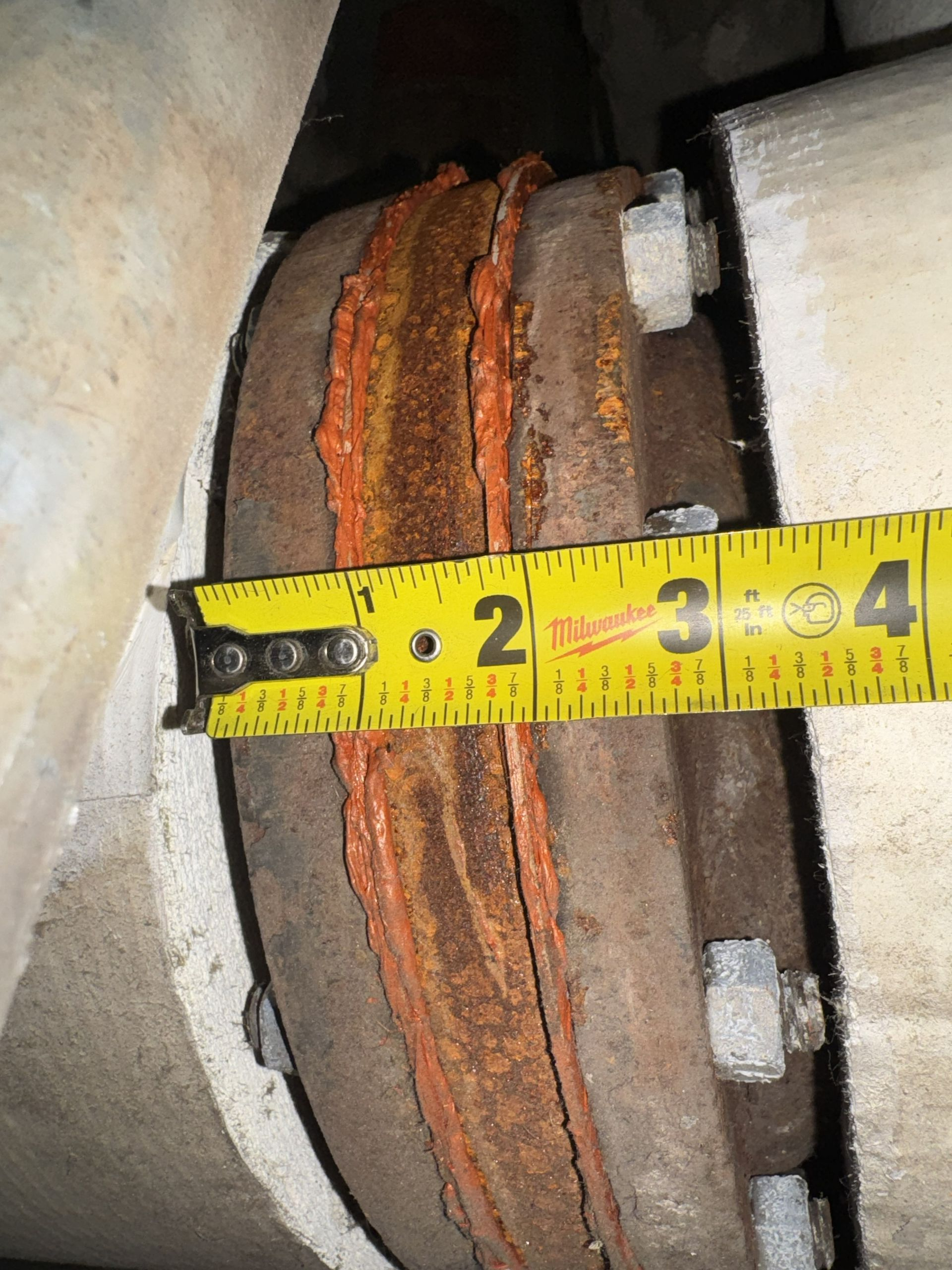
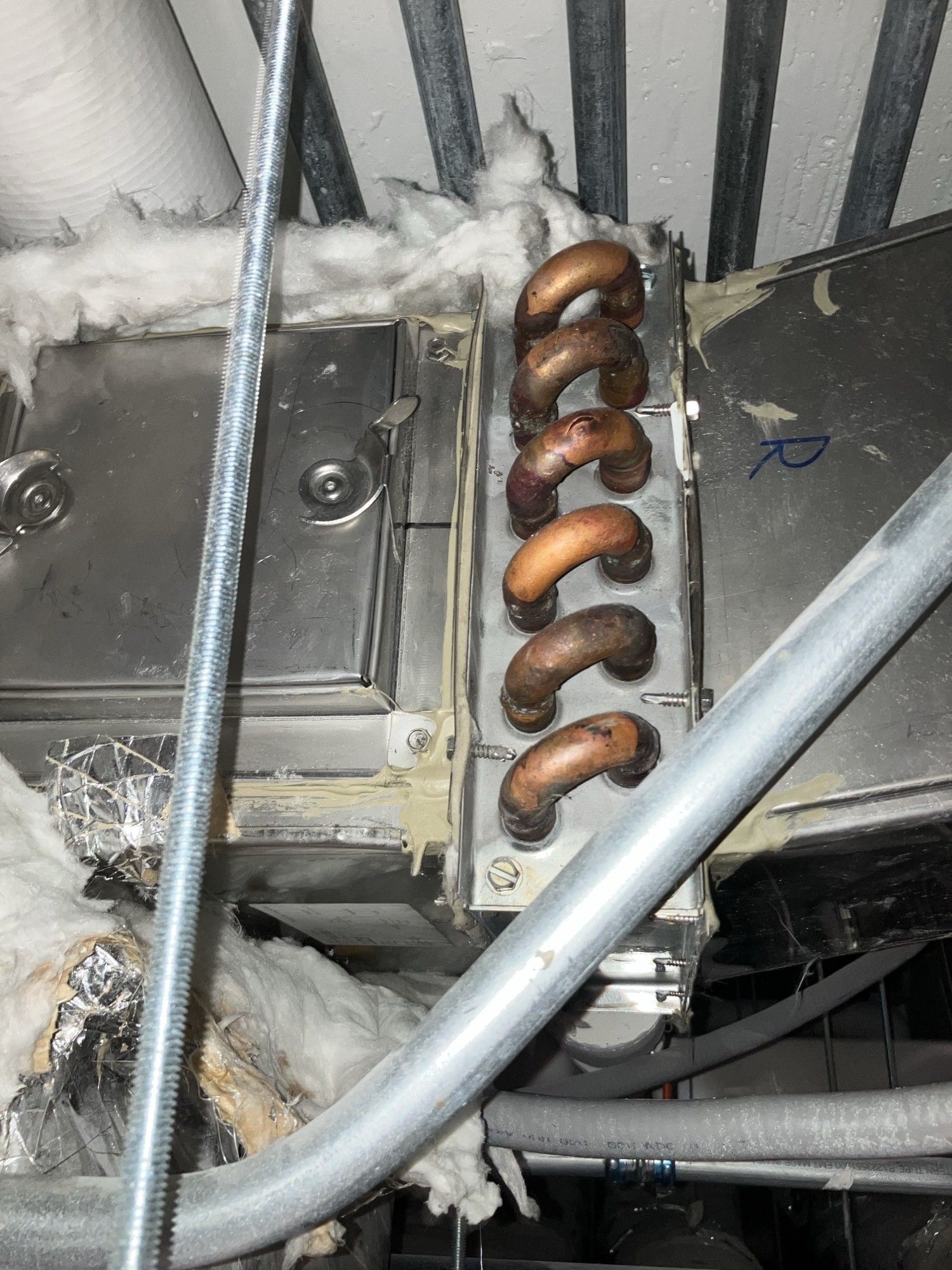
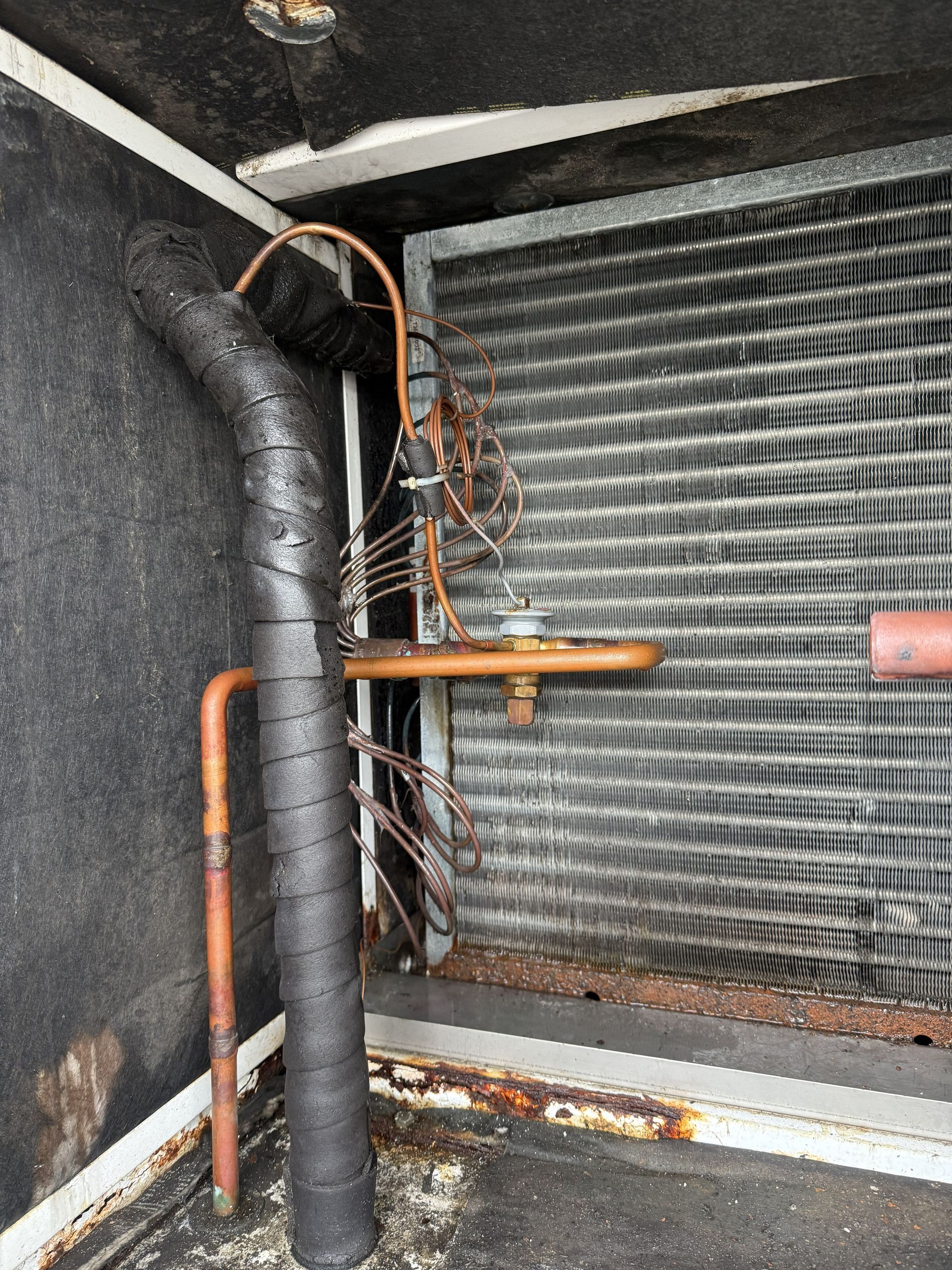
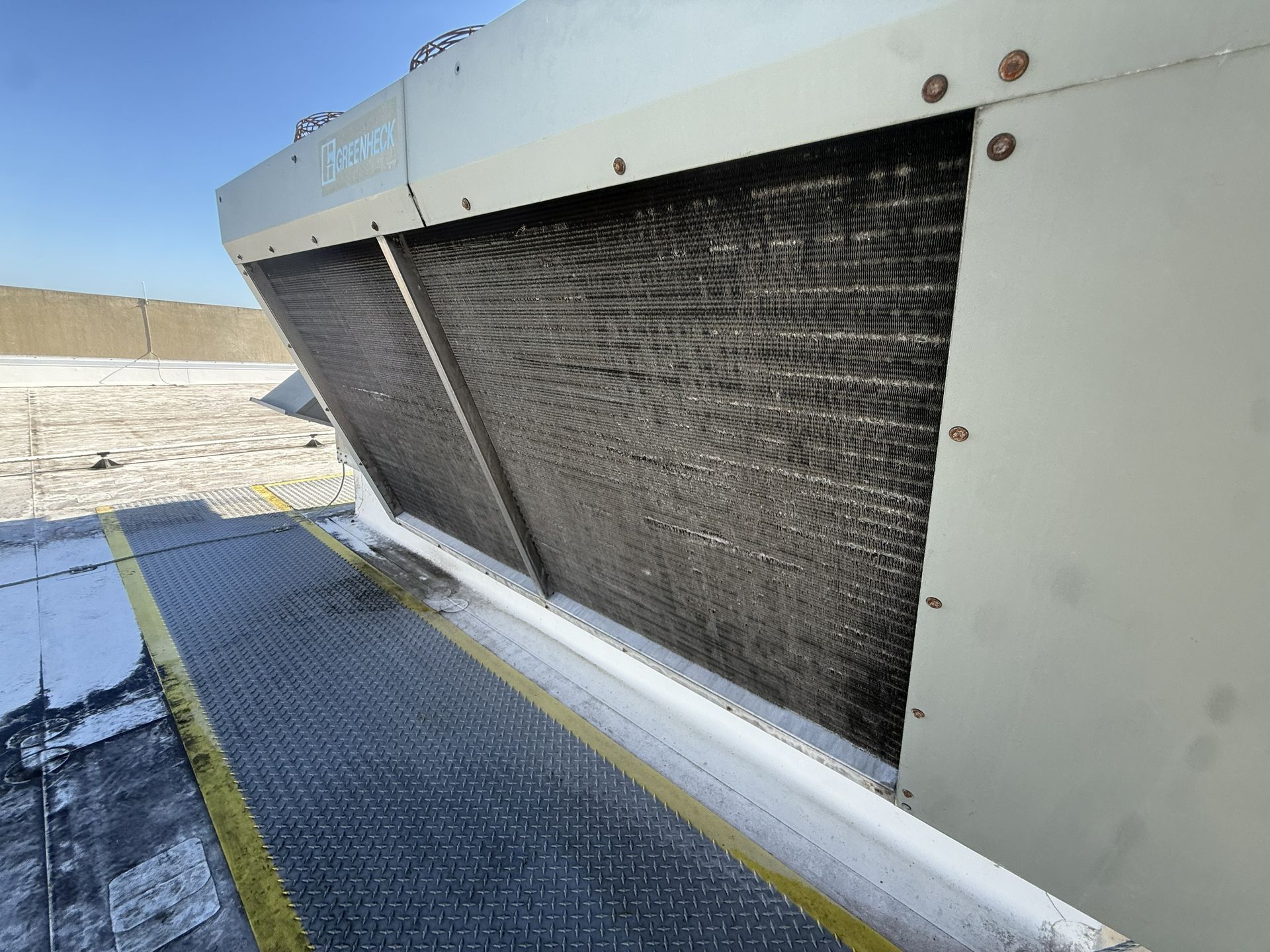
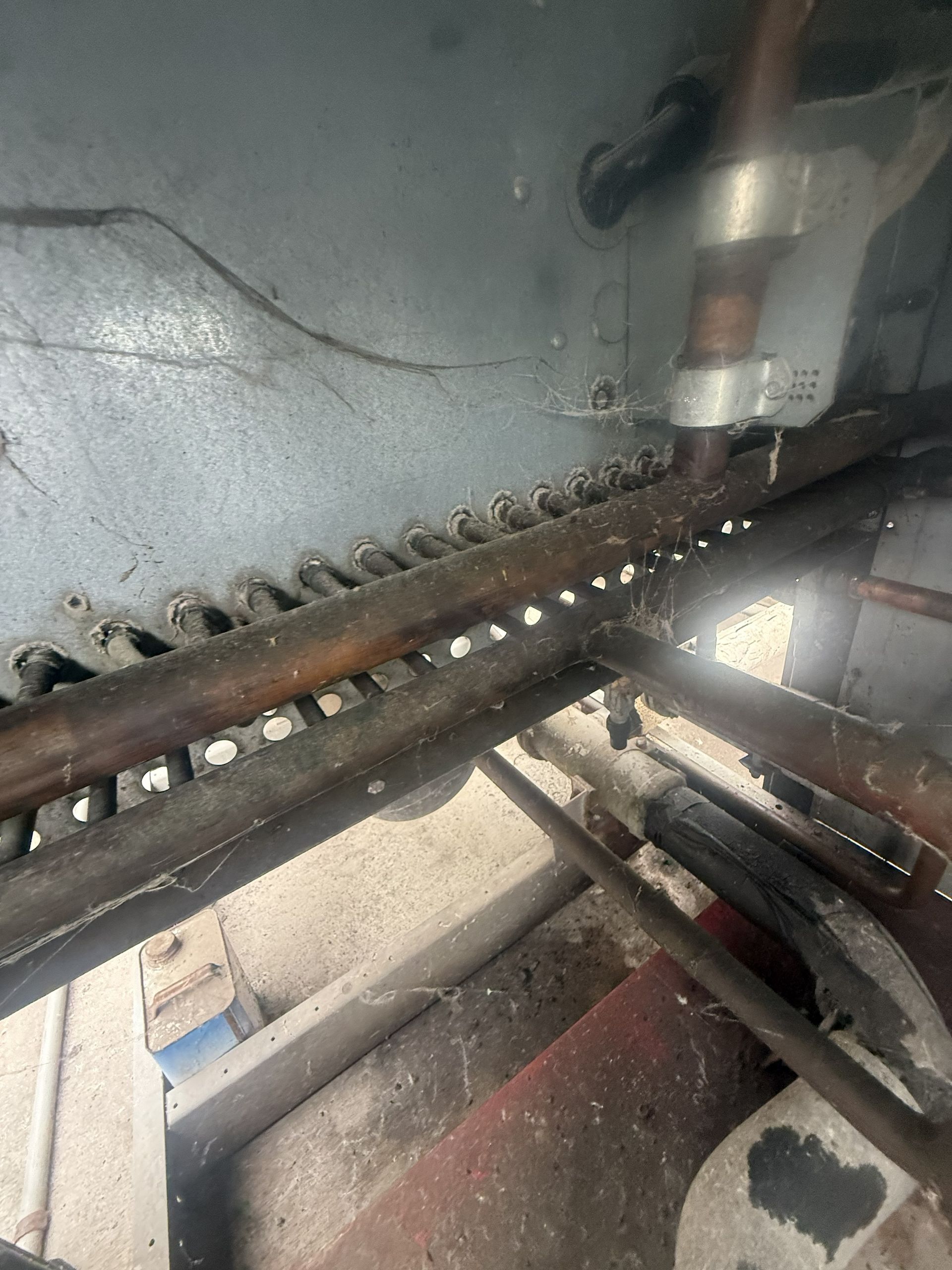
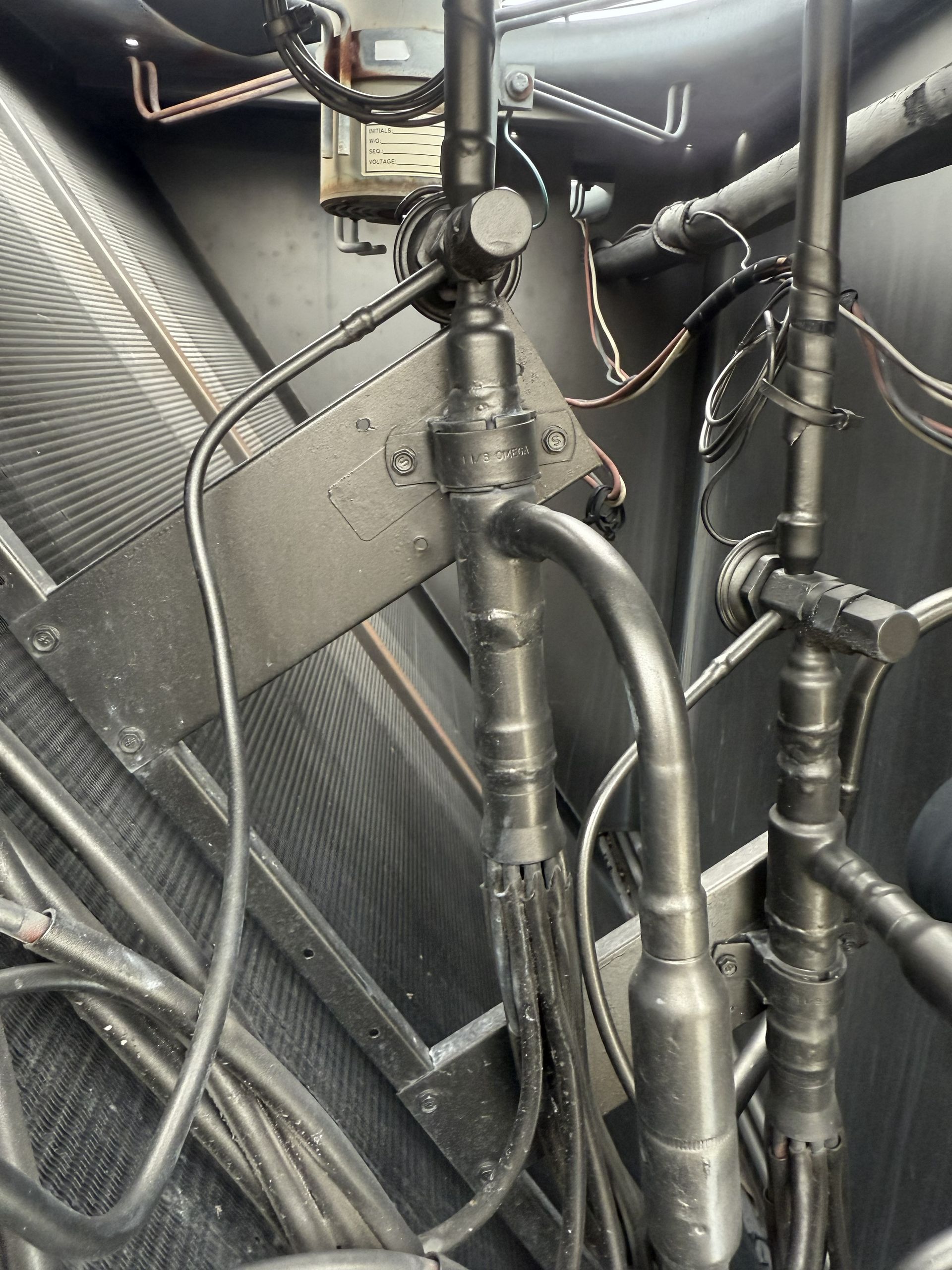
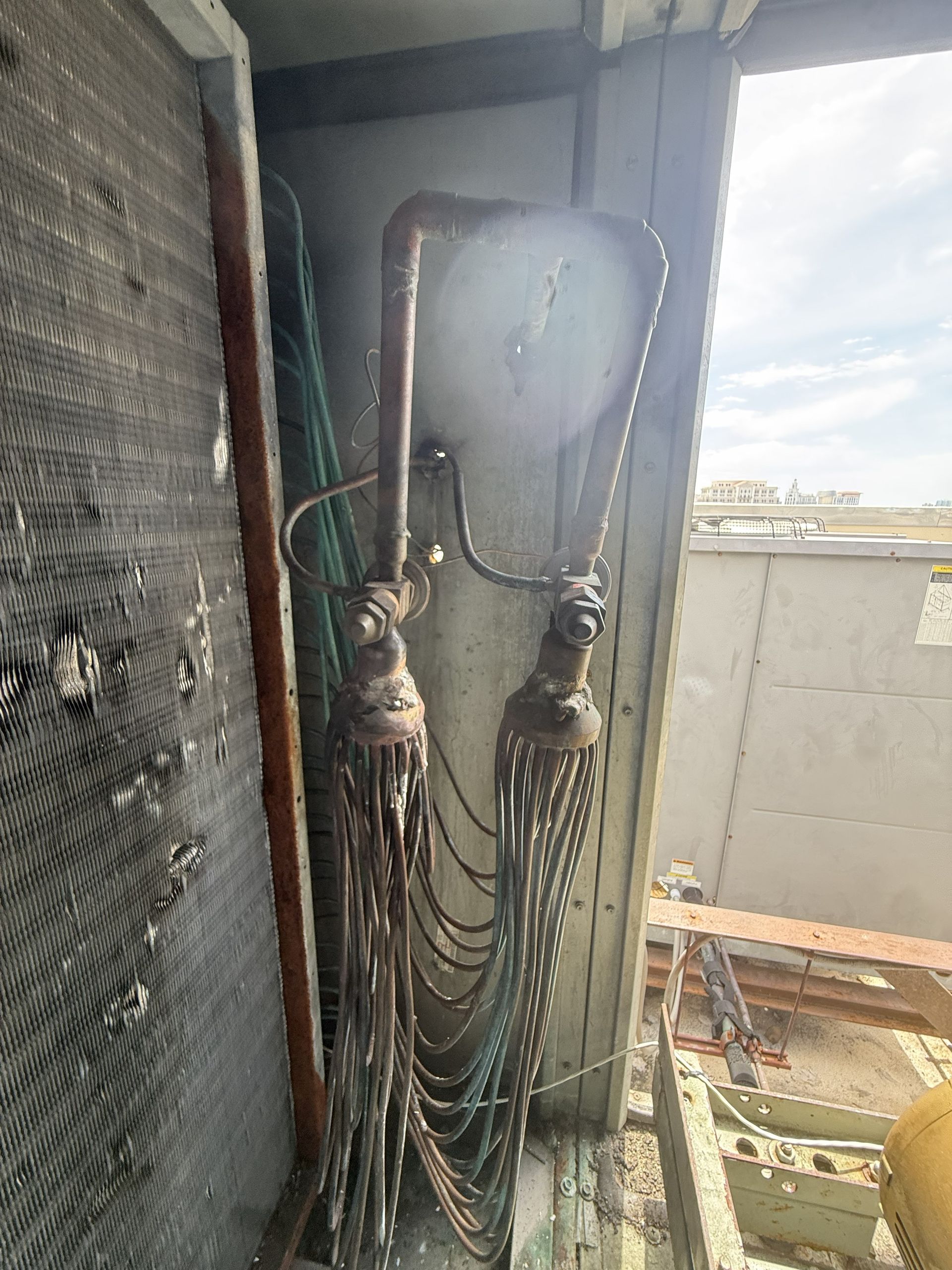
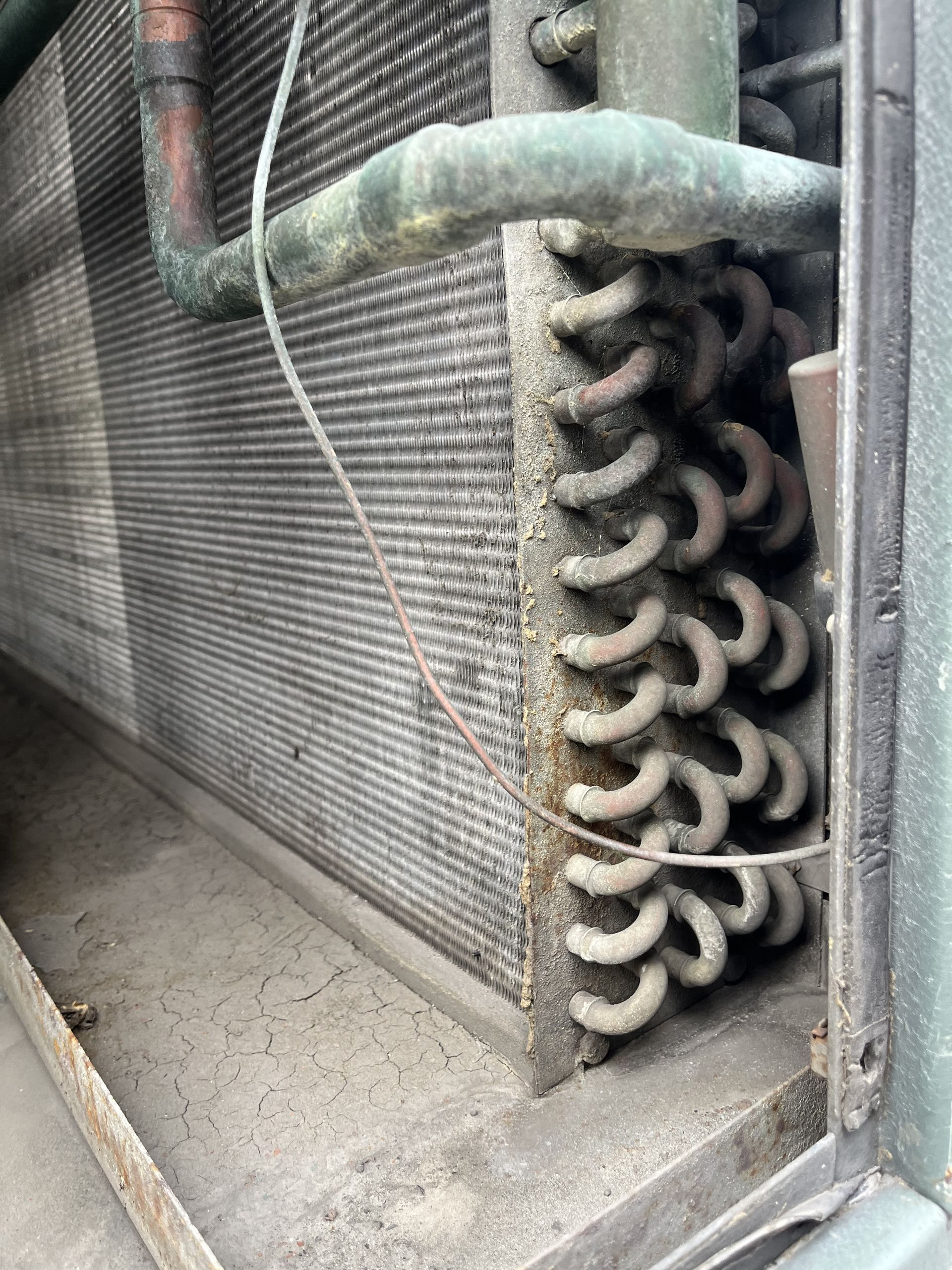
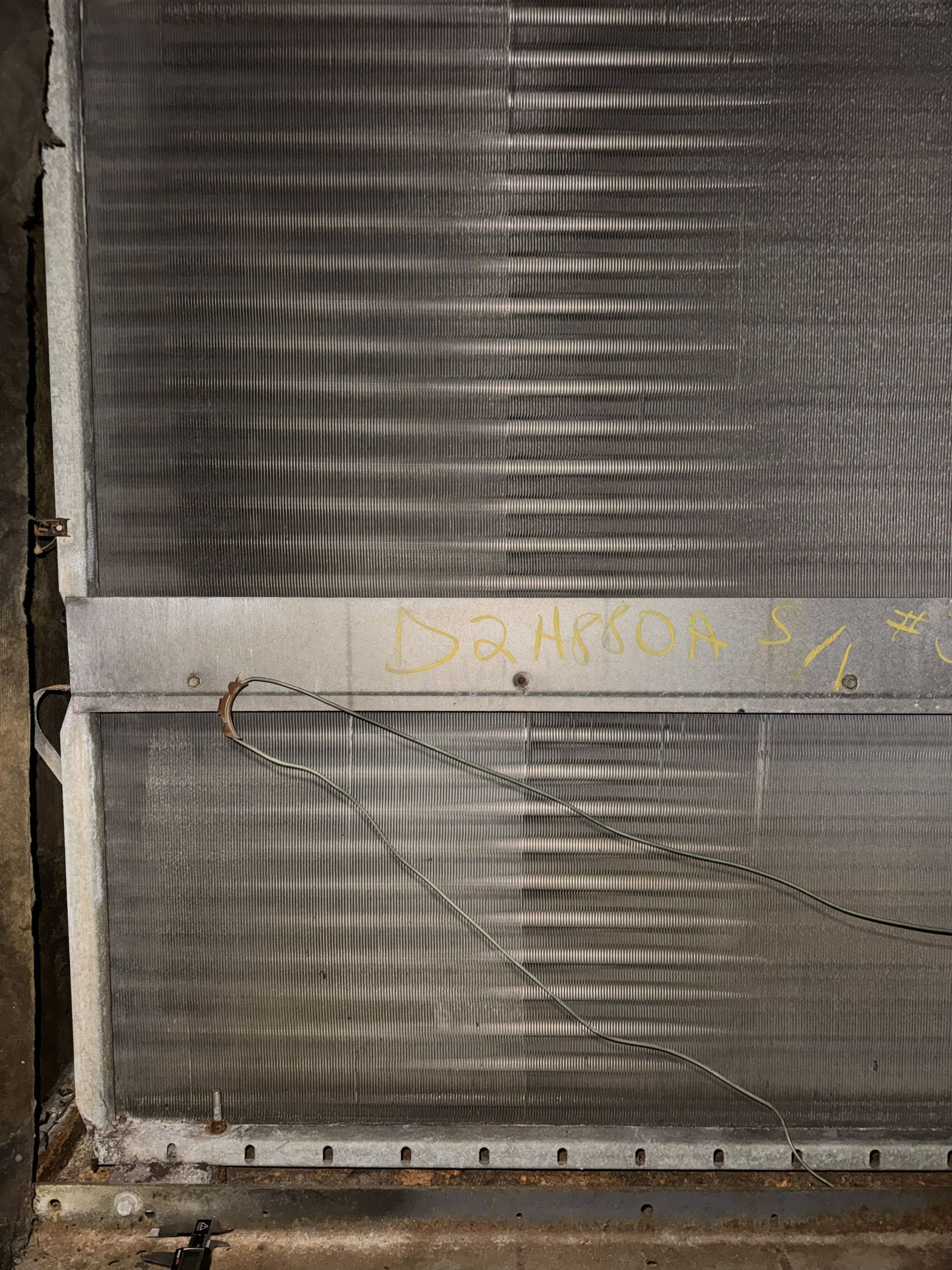
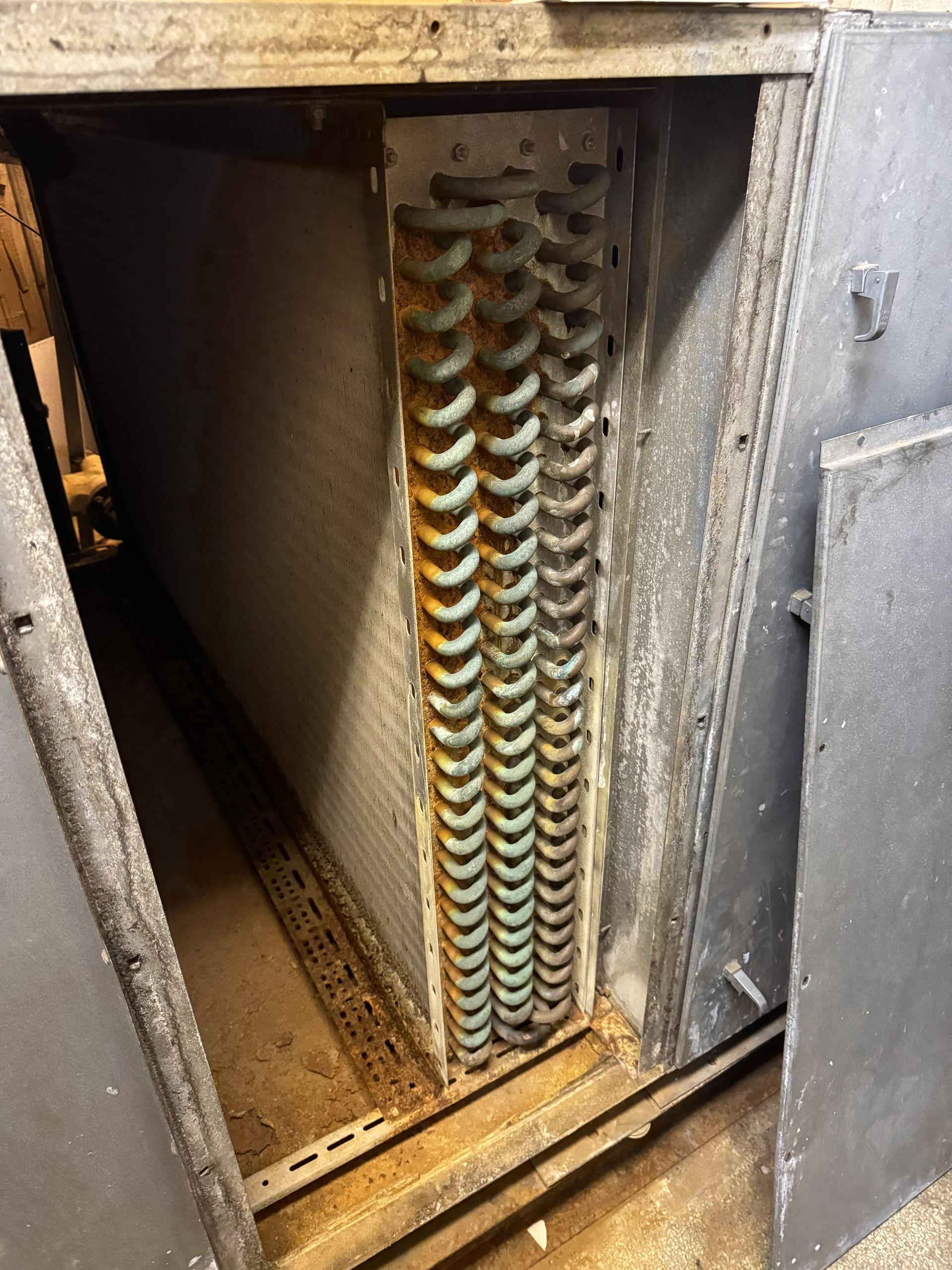
We measured 2 different coils on the jobsite: 1 evaporator coil and 1 steam coil. Evaporator coils absorb heat by allowing refrigerant to evaporate, whereas steam coils transfer heat by running steam through the coil. For measuring purposes, the differences are in the measurements for the headers and connections of the coil, since steam coils require specific header placement measurements and evaporator coils contain different connections.
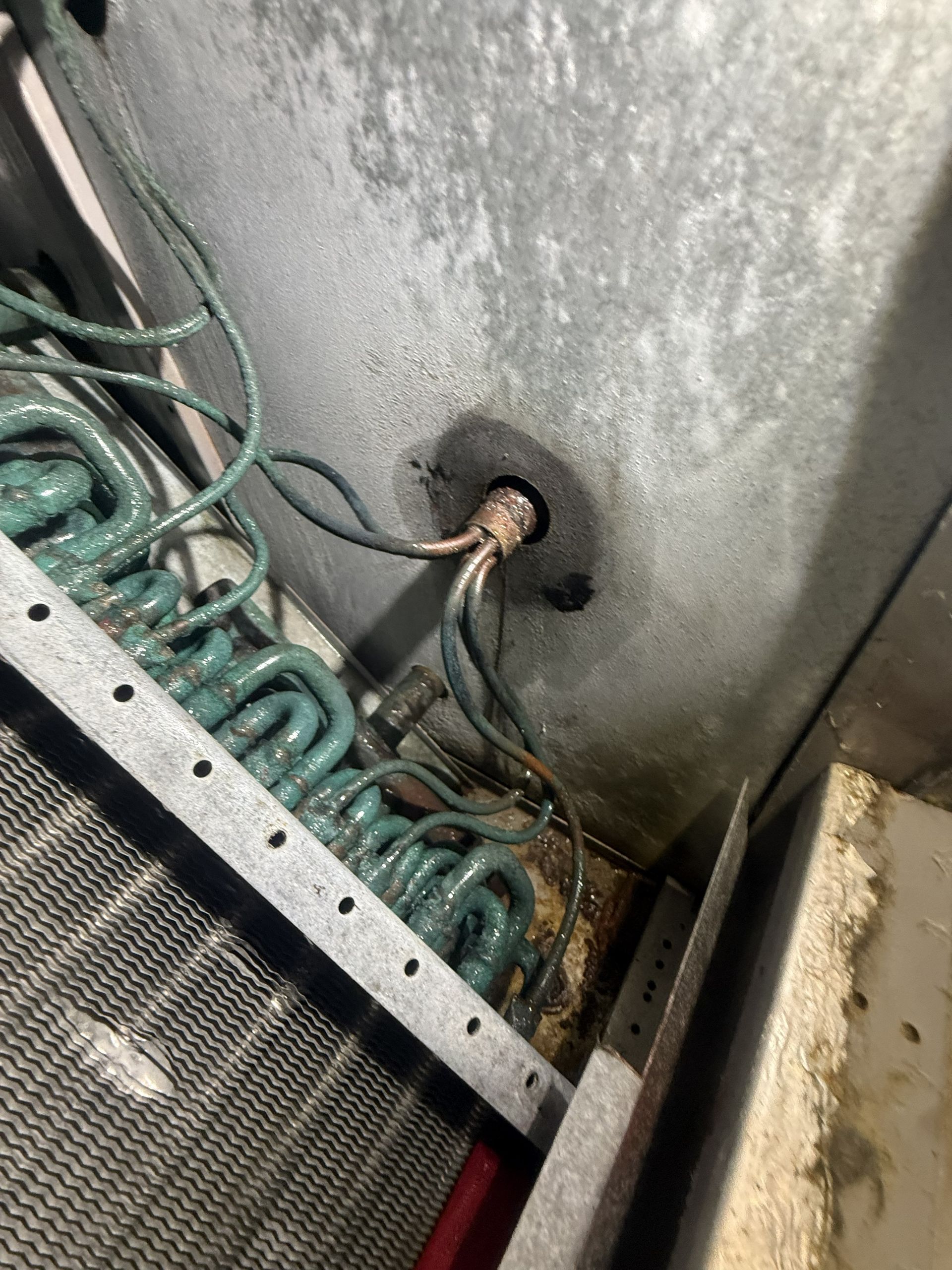
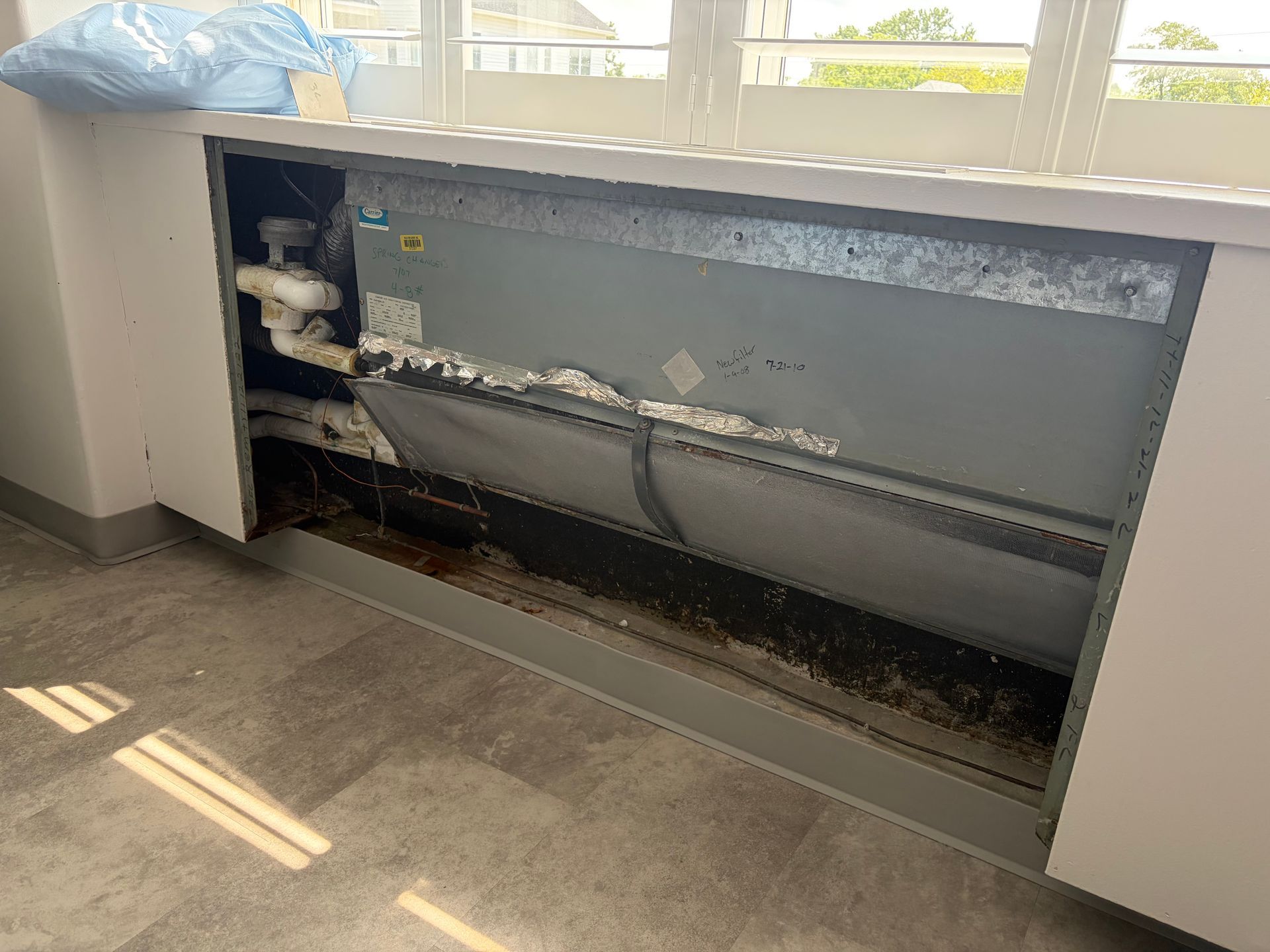
When measuring a coil, making sure that measurements are accurate and ensuring a perfect fit for the replacement coil is very important. I started off by measuring the fin height and length of the coil. This is the height and length of the fins without the casing. This is important because if these measurements are too big, the coil will not fit, and if they are too small, the coil will lose airflow. I then measured the fins per inch, which is how many fins are in 1 inch. This can be measured either by extending a tape measure out an inch and counting how many fins make up the span, or in certain situations you can use a trick where you take a piece of paper and lightly shade in an area of around an inch with a pencil. You can then count from there. I noted the number of rows in the coil, as well as taking out a caliper and measuring the diameter of the headers, tubing, and connections from the coil. For the evaporator coil, we also measured the casing height and length. In addition to diameter, I measured the center-to-center, top-to-center, and bottom-to-center distances for the connections, as well as taking note of how far the connections protrude from the coil. This is important because every unit is different and has different connections in different places. Making sure that the connections are exactly the same ensures that the coil fits perfectly and prevents further issues in the installation process.
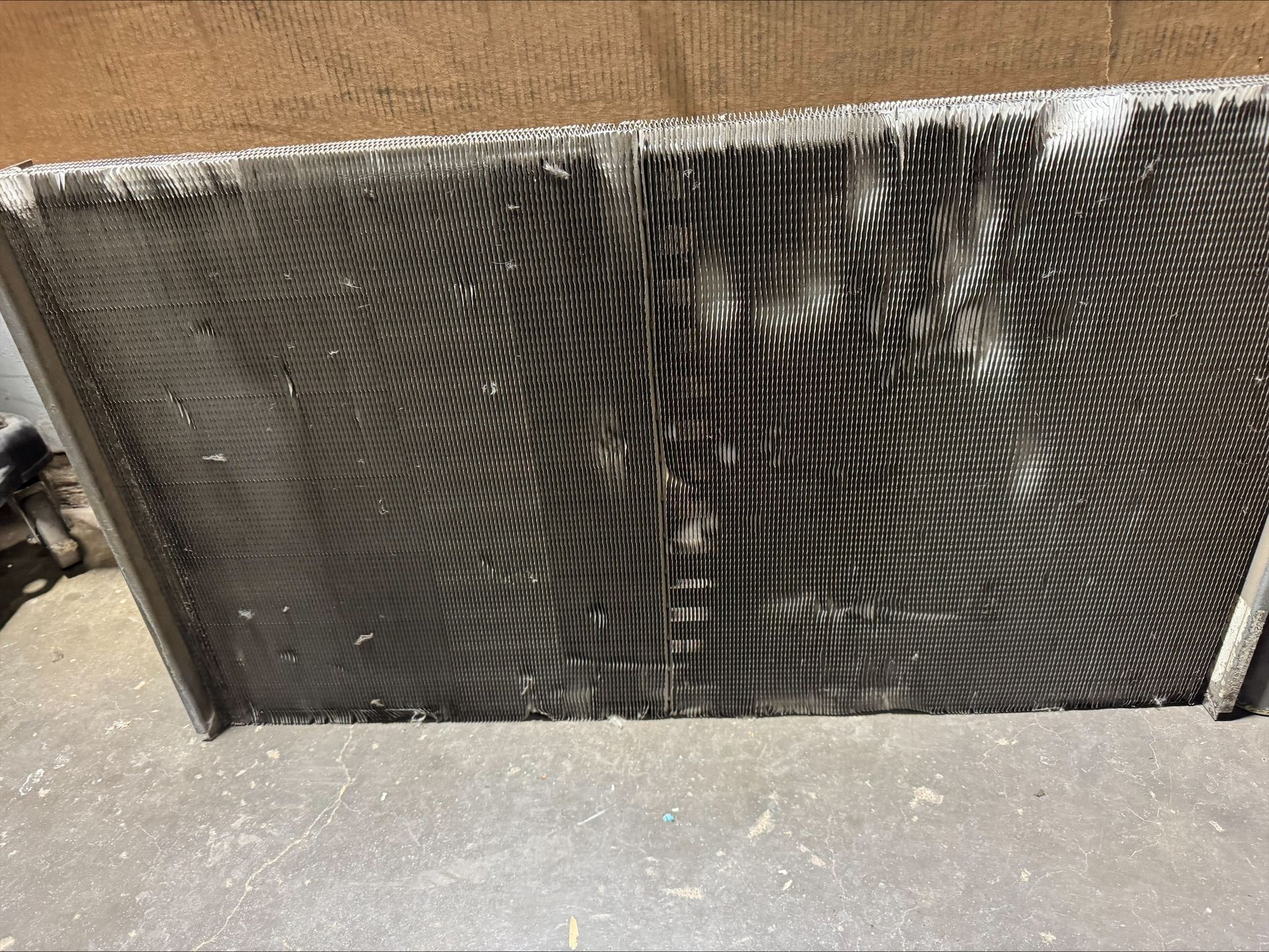
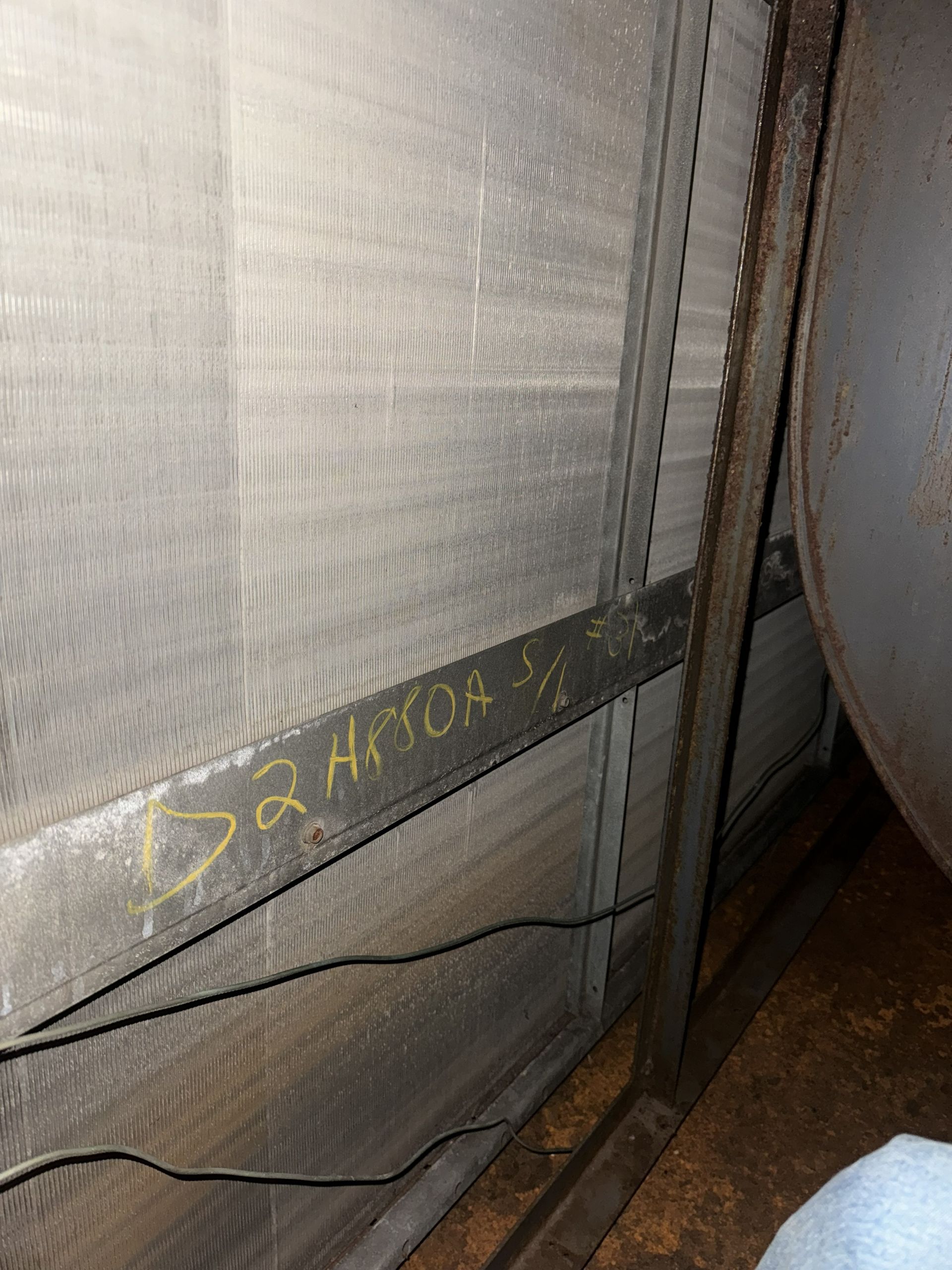
We measured the evaporator coil first, which was in a difficult position to measure as it was in a stairwell with limited access. We were only able to measure it by peering into the air handling unit while holding back a sheet of casing. The steam coil was much easier to measure, as it was already outside of the unit when we looked at it. Each job site presents its own challenges with measurement and installation of the replacement coils, and HeatEX Technologies assists in problem-solving those challenges so that we can take accurate measurements of the coil.
At HeatEX Technologies, we strive to ensure a perfect fit for your next replacement job. While we can quote coil and heat exchanger replacement jobs based on model and serial number, many older units have undergone changes through their time. In this scenario, HeatEX Technologies will come out and take field measurements to ensure accuracy in custom replacement jobs. Our team prides itself on excellent customer service, and working with our customers to ensure accuracy in our coils is one of the many elements of that broad title. Check out our website for more information on how we can assist you in your next coil or heat exchanger replacement job!