The 2026 ASHRAE Building Decarbonization Conference and What it Means for Commercial HVAC
From September 23rd-25th, ASHRAE held a building decarbonization conference in Seattle that moved decarbonization from simply a long-term goal to an implementation issue. One of the many things discussed was the topic of existing buildings and how to reduce carbon emissions in them through retrofits. Since decarbonization is now being stressed as an implementation issue, below is everything you need to know about what this could mean for the future of the commercial HVAC industry, as well as what you can do to reduce emissions in your own system.
Building decarbonization involves reducing greenhouse-gas emissions that are associated with building operations such as HVAC and other systems. This topic is not new to the industry and has been repeatedly discussed within previous ASHRAE conferences and new government regulations. A large aspect of decarbonization comes from building energy use, since lowering building energy use decreases the operational carbon emissions inherent in the building. Previously existing buildings account for the majority of the issue, since new buildings most likely already contain technology that helps to reduce building energy and strain on the system.
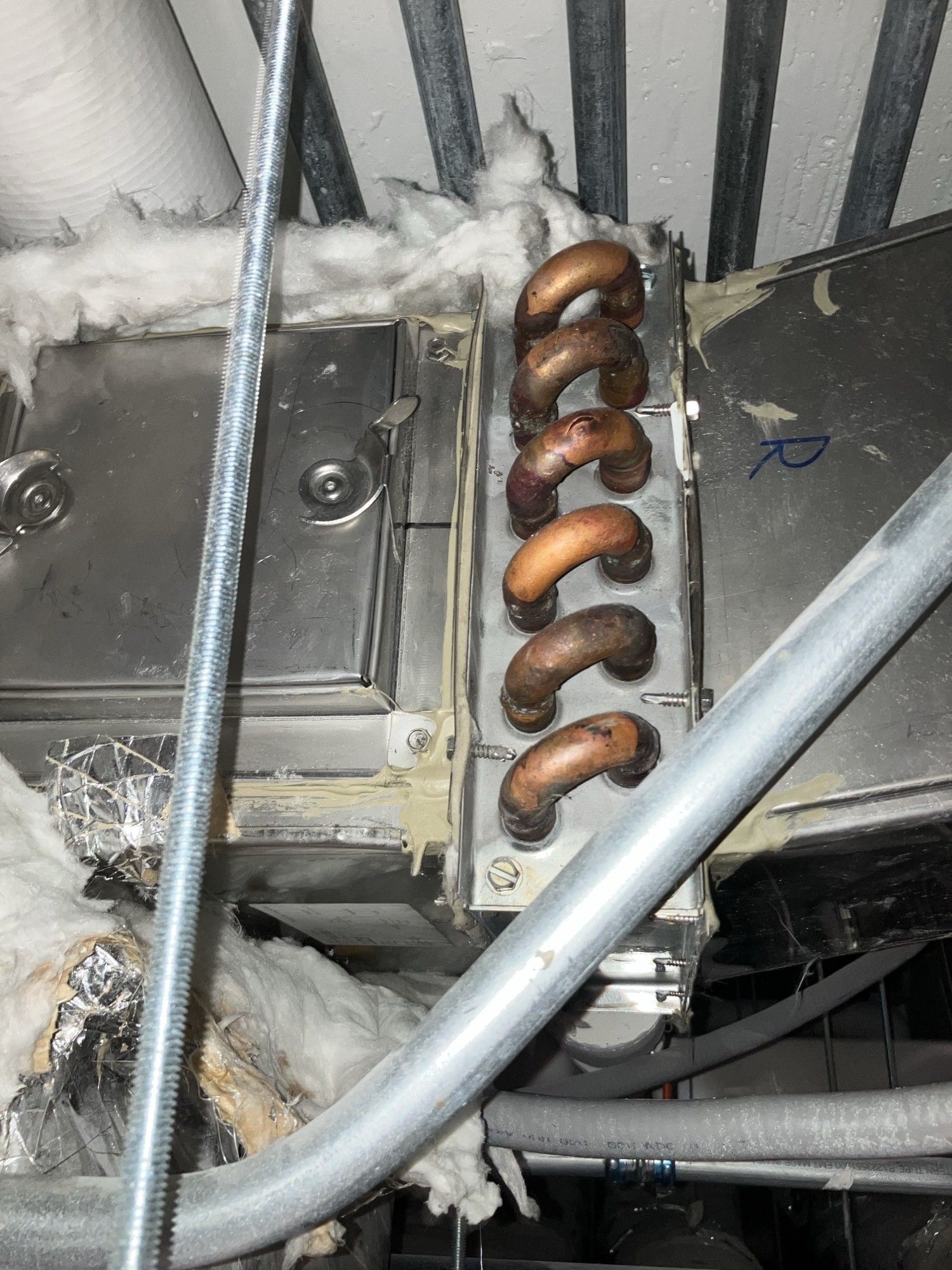
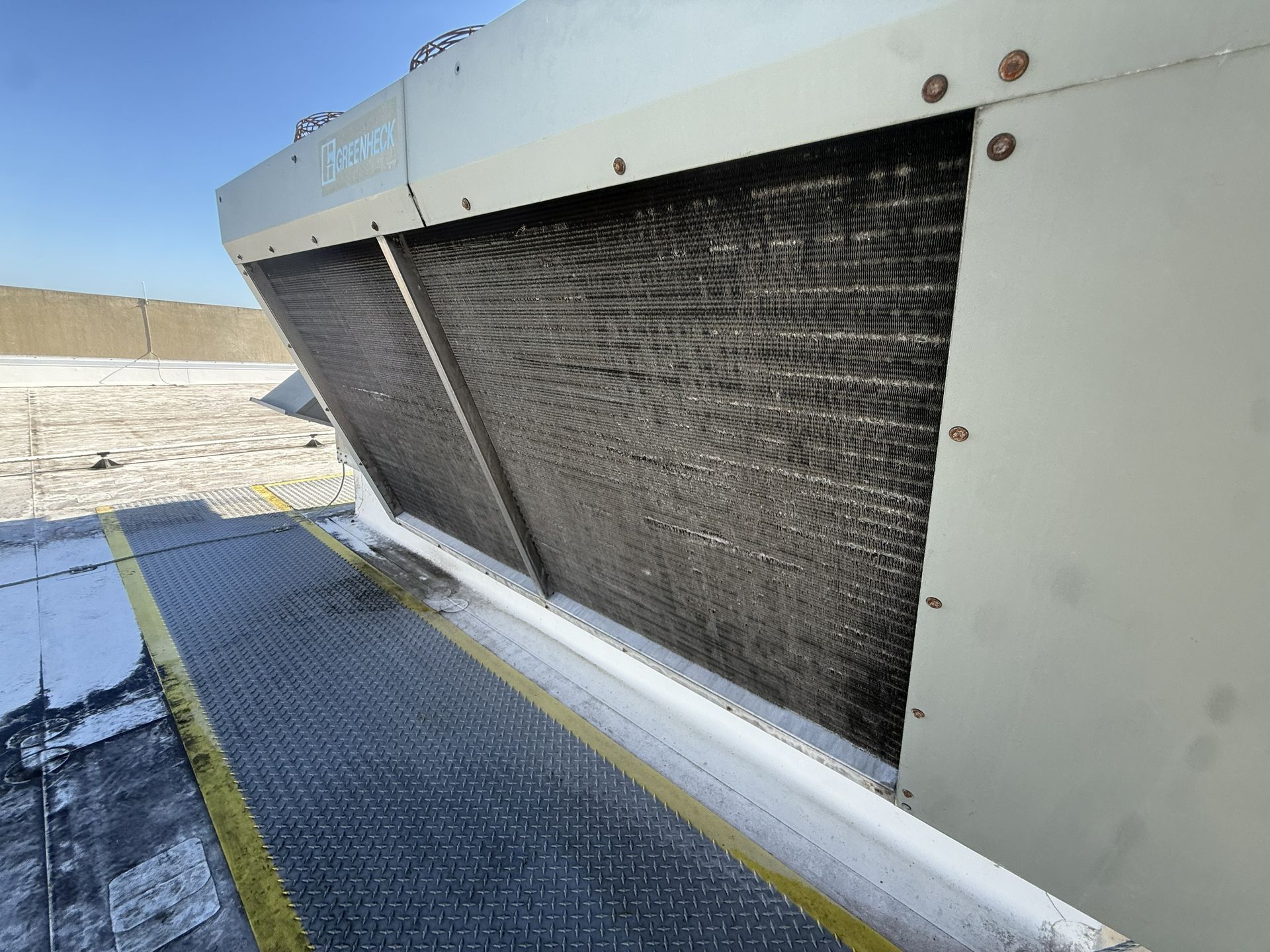
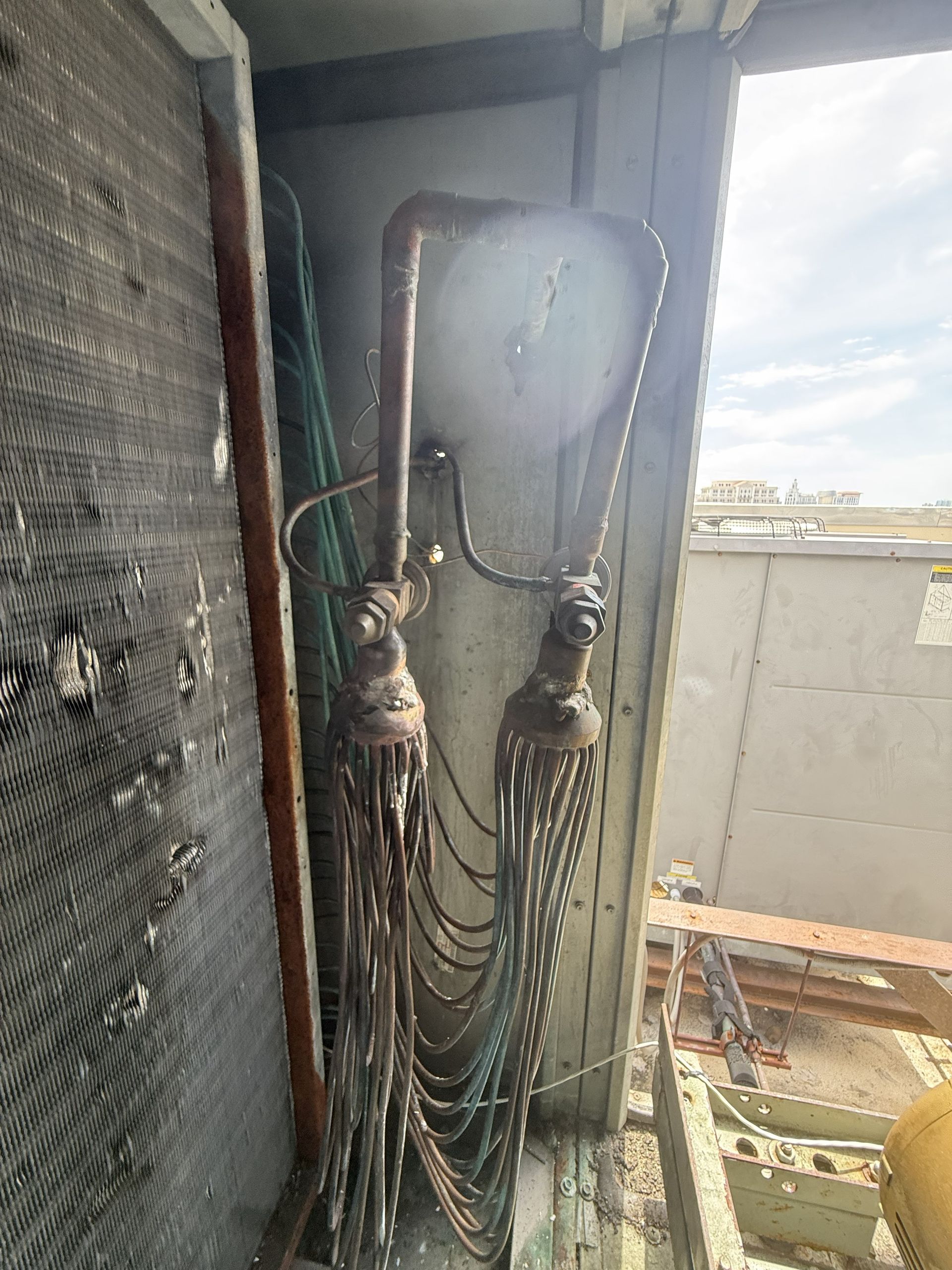
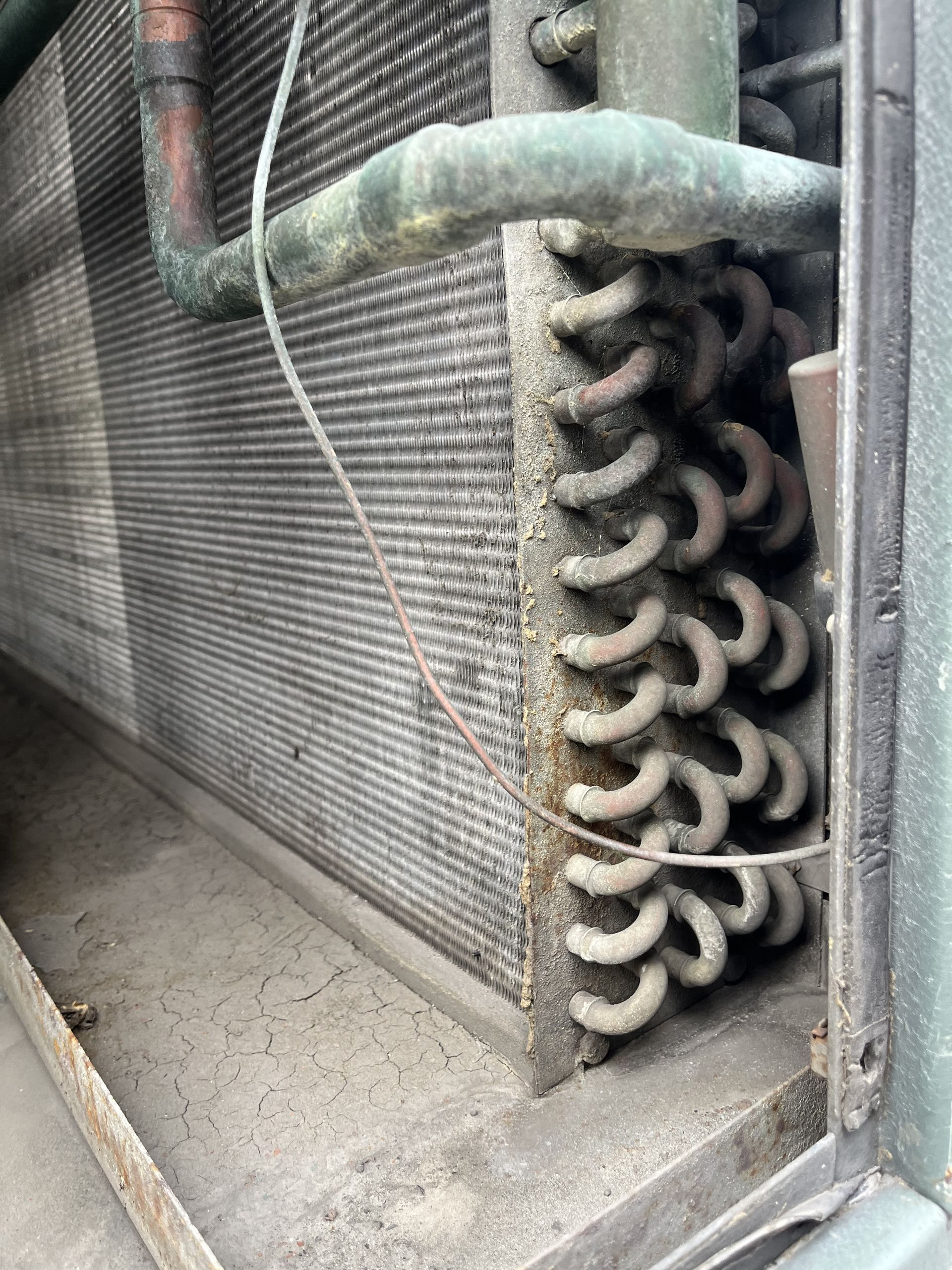
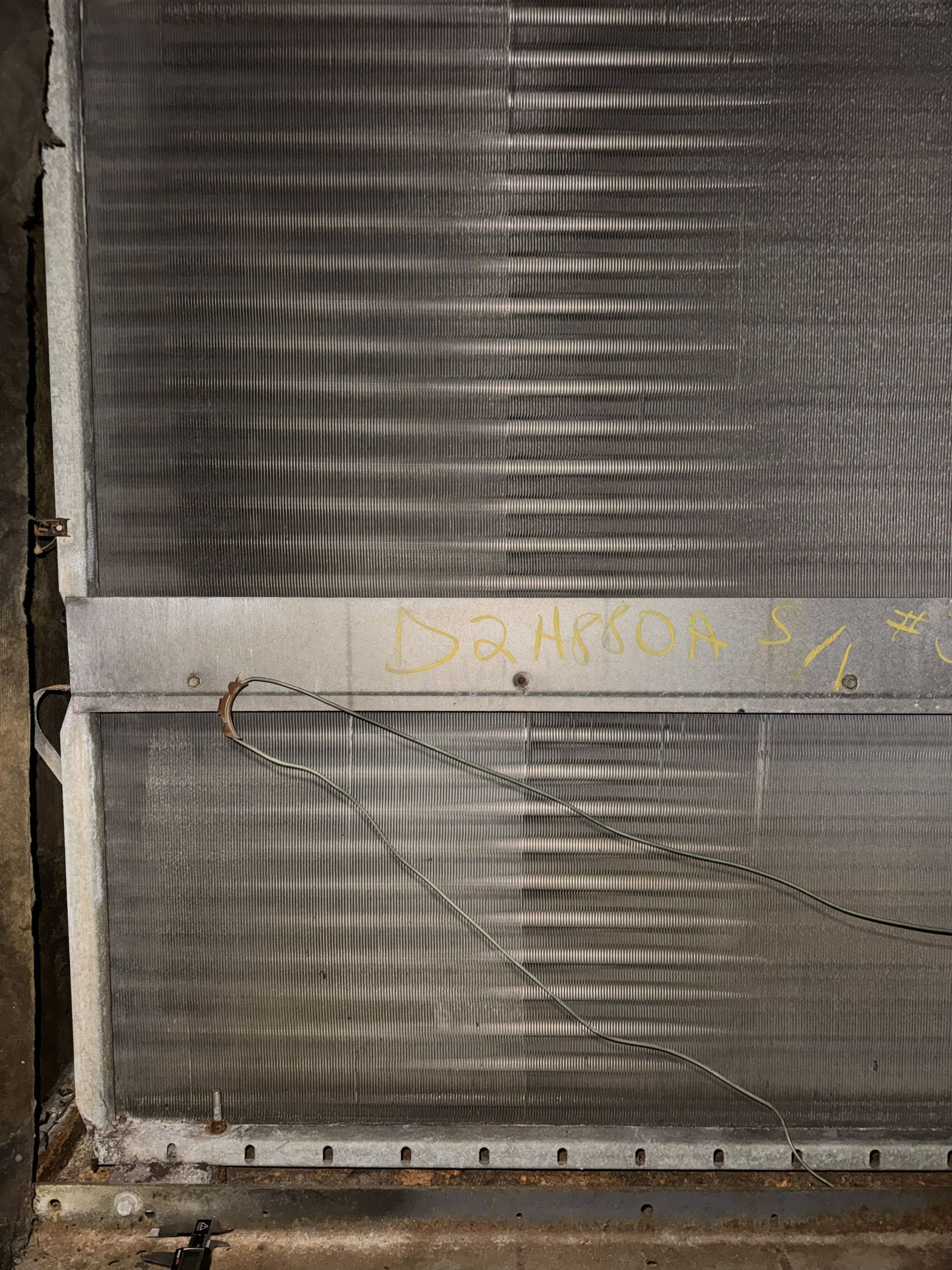
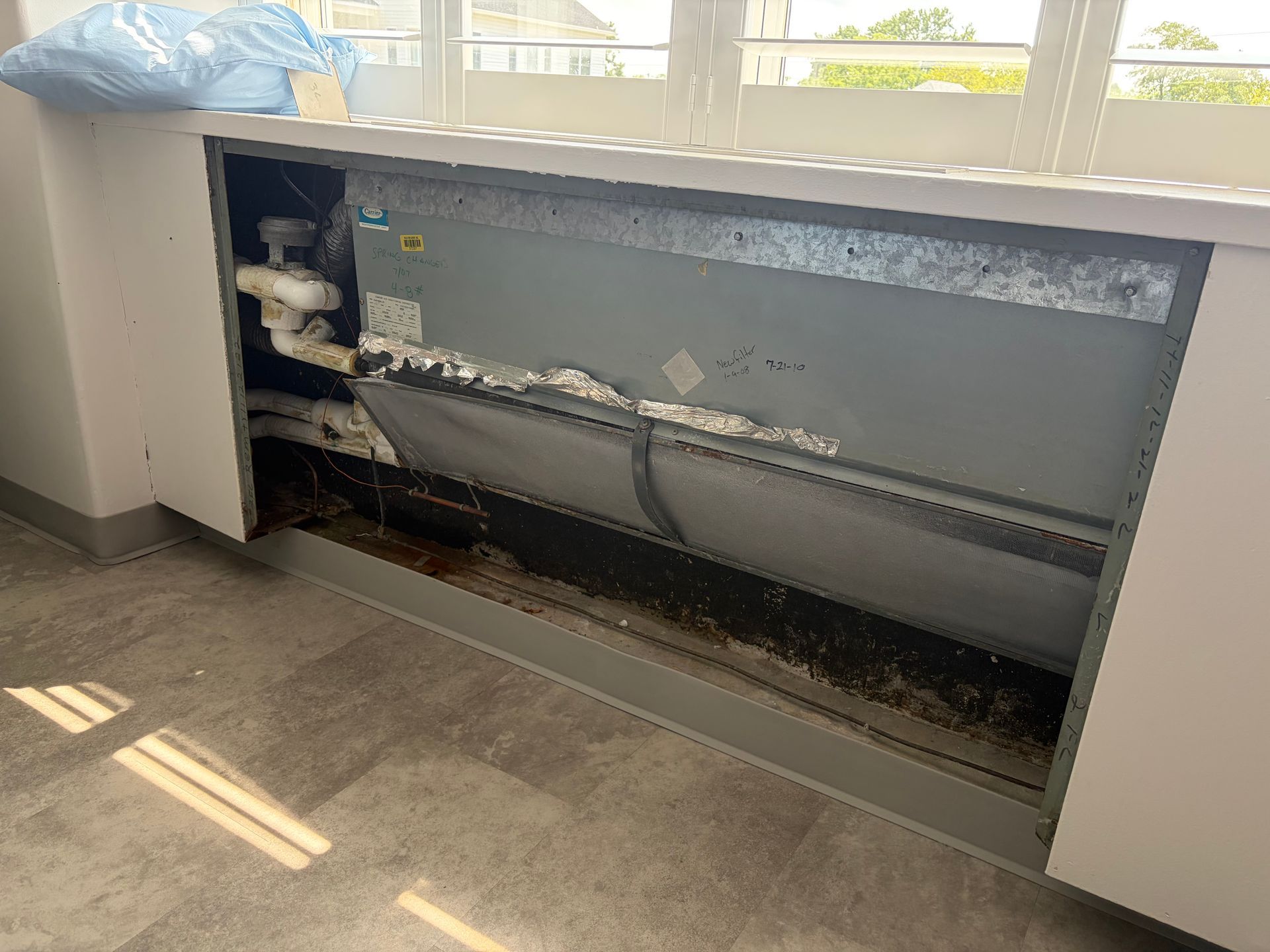
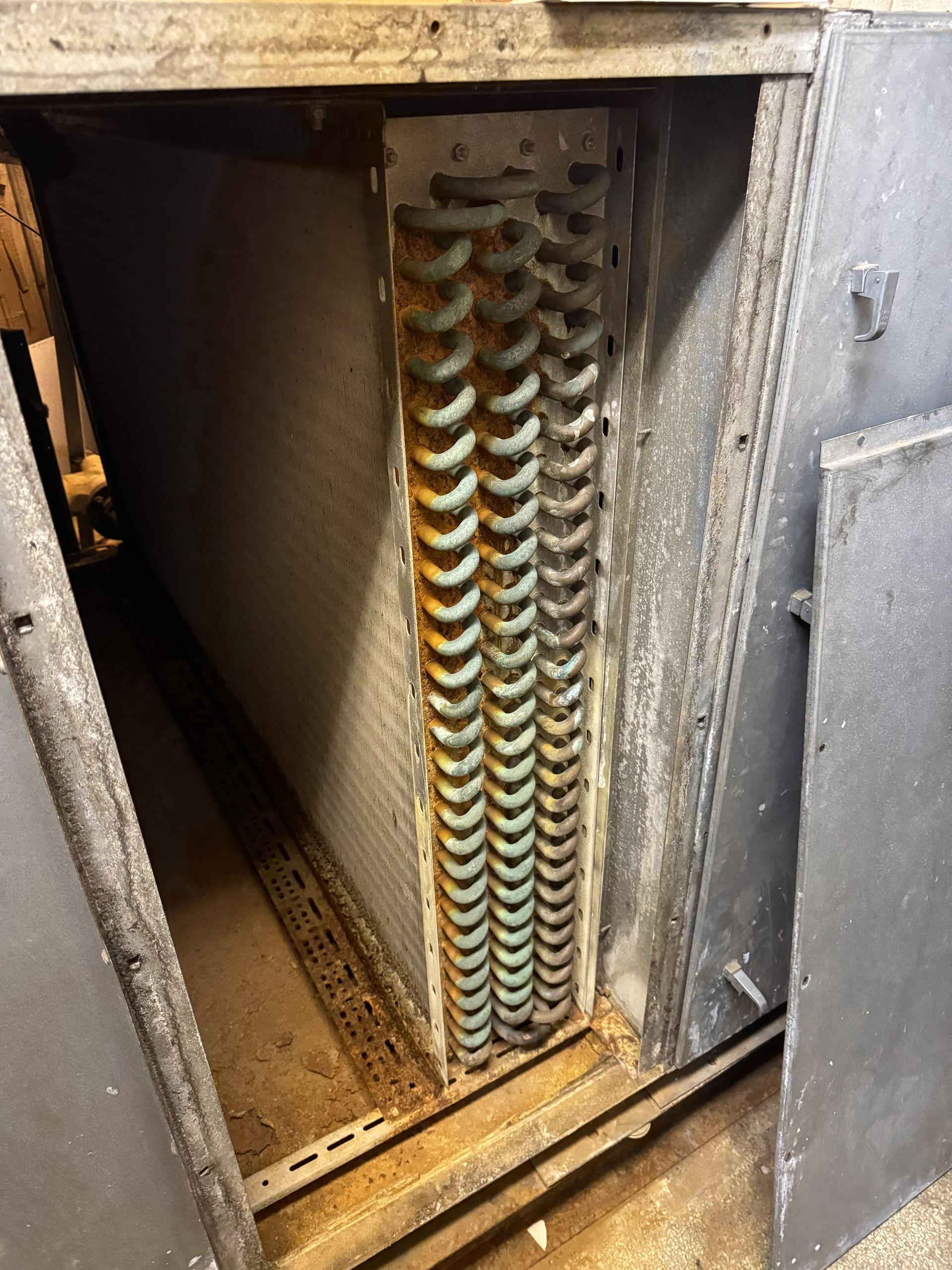
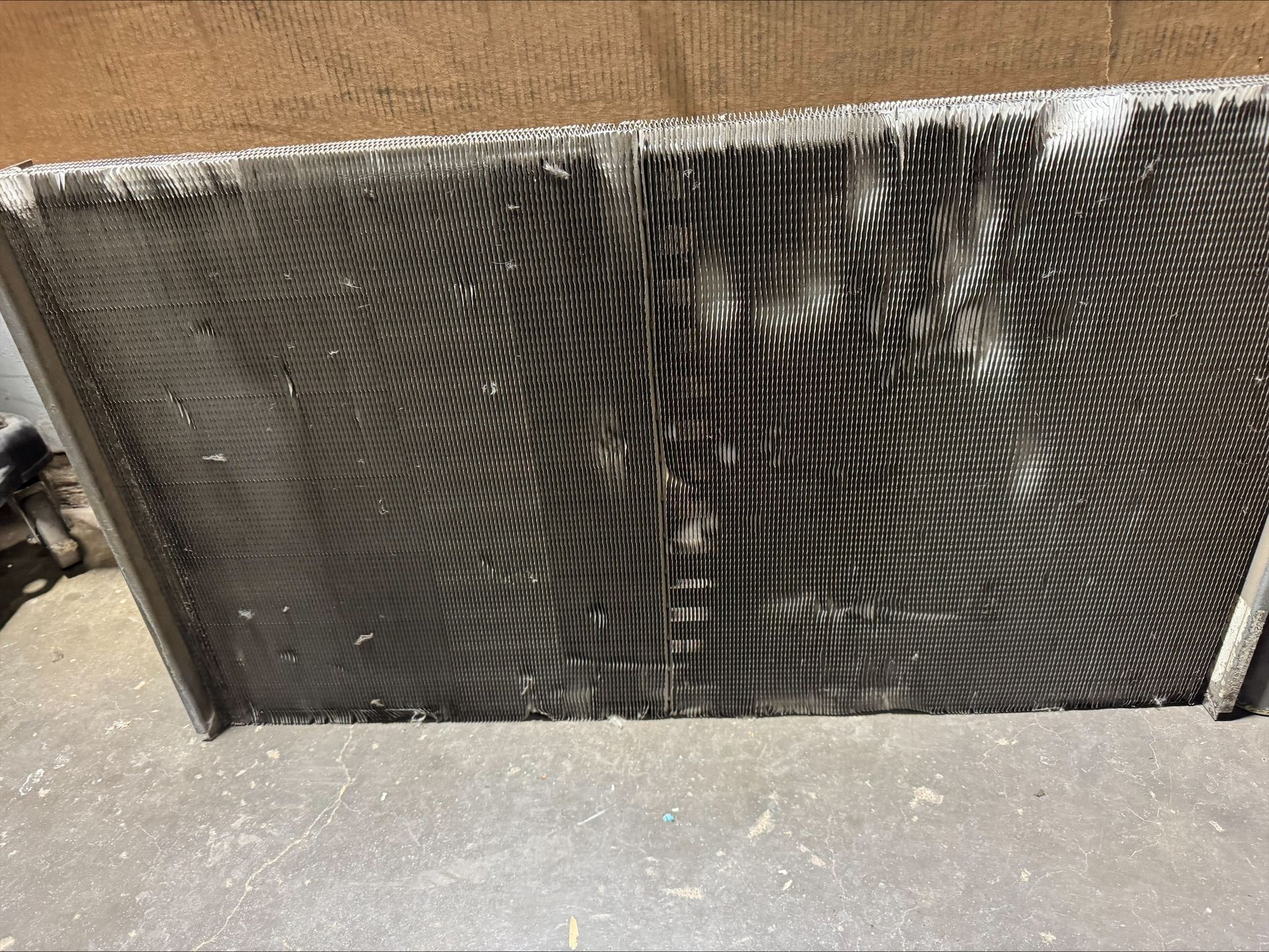
This narrative should have a sizable effect on the HVAC industry, particularly with retrofits. In an existing building, implementing an entirely new system isn’t always the best option when attempting to reduce carbon emissions, and retrofitting can often do a better job with lower cost and downtime. Implementing equipment that increases efficiency is one of the best ways to decarbonize your building, along with replacing aging and inefficient components. The conference featured examples of some practical retrofits, such as a smart chilled-water system installed within the Museum of Flight that focused on improving efficiency within a pre-existing hydronic system. Another example of something like this could be replacing an ageing or inefficient coil in your system, which would increase efficiency and reduce carbon emissions from your system.
For facility managers, this shift most likely leads to upgrading, replacing, or optimizing existing equipment in order to improve building system performance in both the short and long term. Performing proper maintenance checks and reading coil schedules can help make sure that your system is up to date and running as efficiently as possible. In addition, creating a long-term replacement plan and starting replacement processes earlier can help you get ahead and reduce downtime when transitioning equipment. For mechanical contractors, be ready for an increase in retrofit demand as well as new buildings looking to minimize their energy use and reduce carbon emissions.
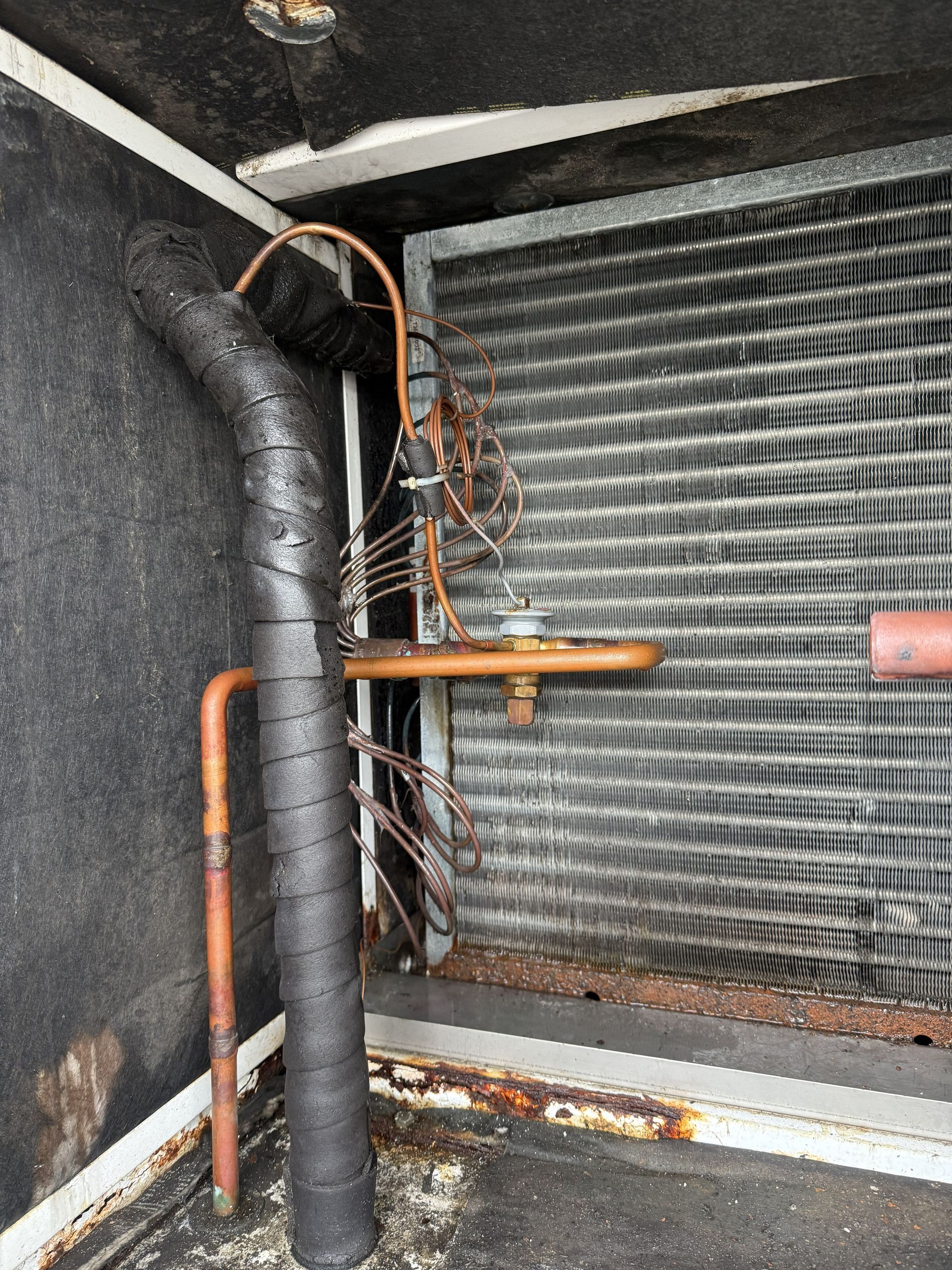
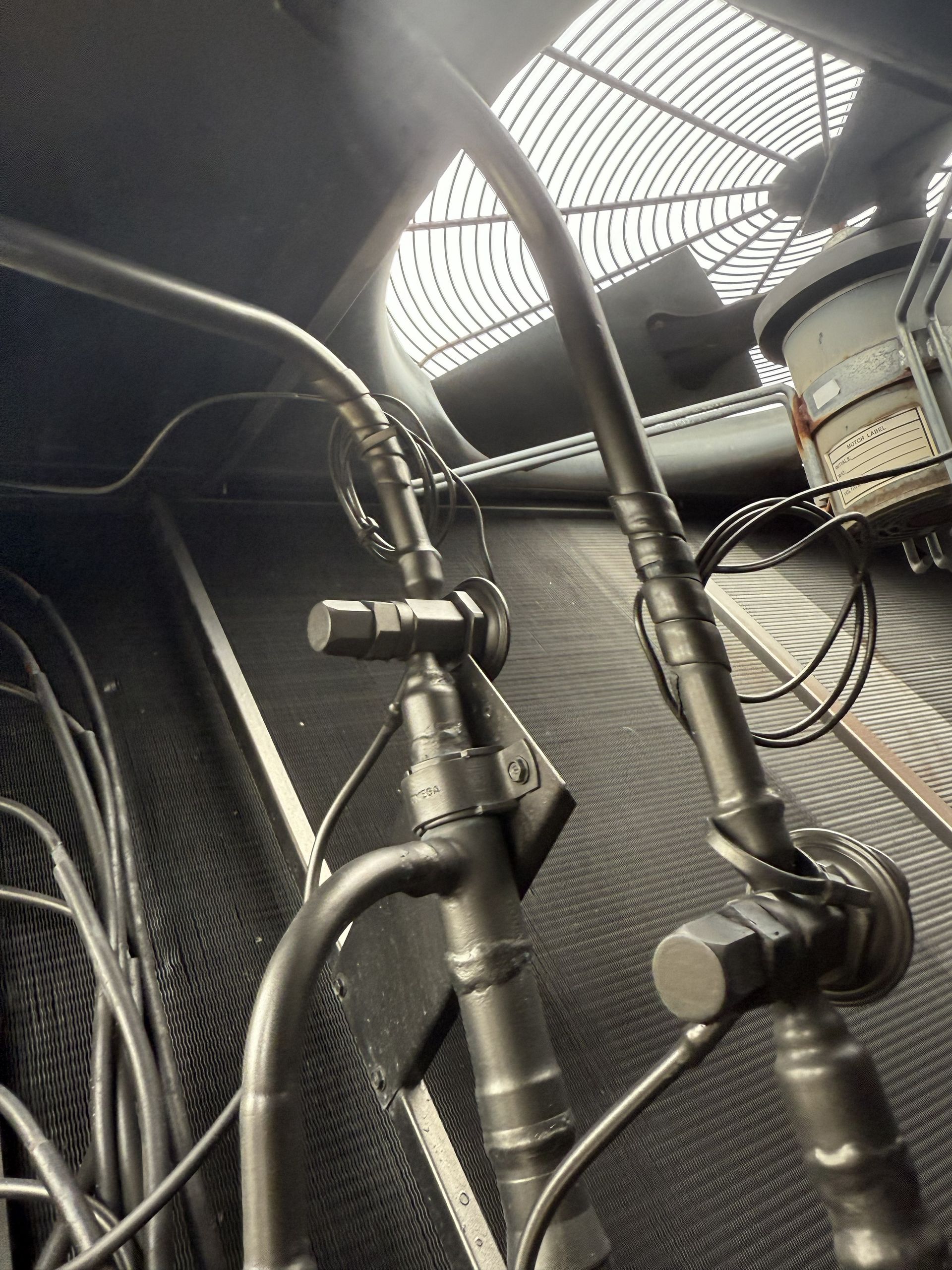
At HeatEX Technologies, we can assist with your retrofit needs to decrease building energy use and maximize efficiency in your system. We want you to be prepared for any industry changes, so that you can get ahead of trends and minimize downtime in your next replacement job. When you need an HVAC coil or heat exchanger replaced, we custom-manufacture solutions to both fit your existing requirements and improve your system.