How to Read and Understand a Commercial HVAC Coil Schedule
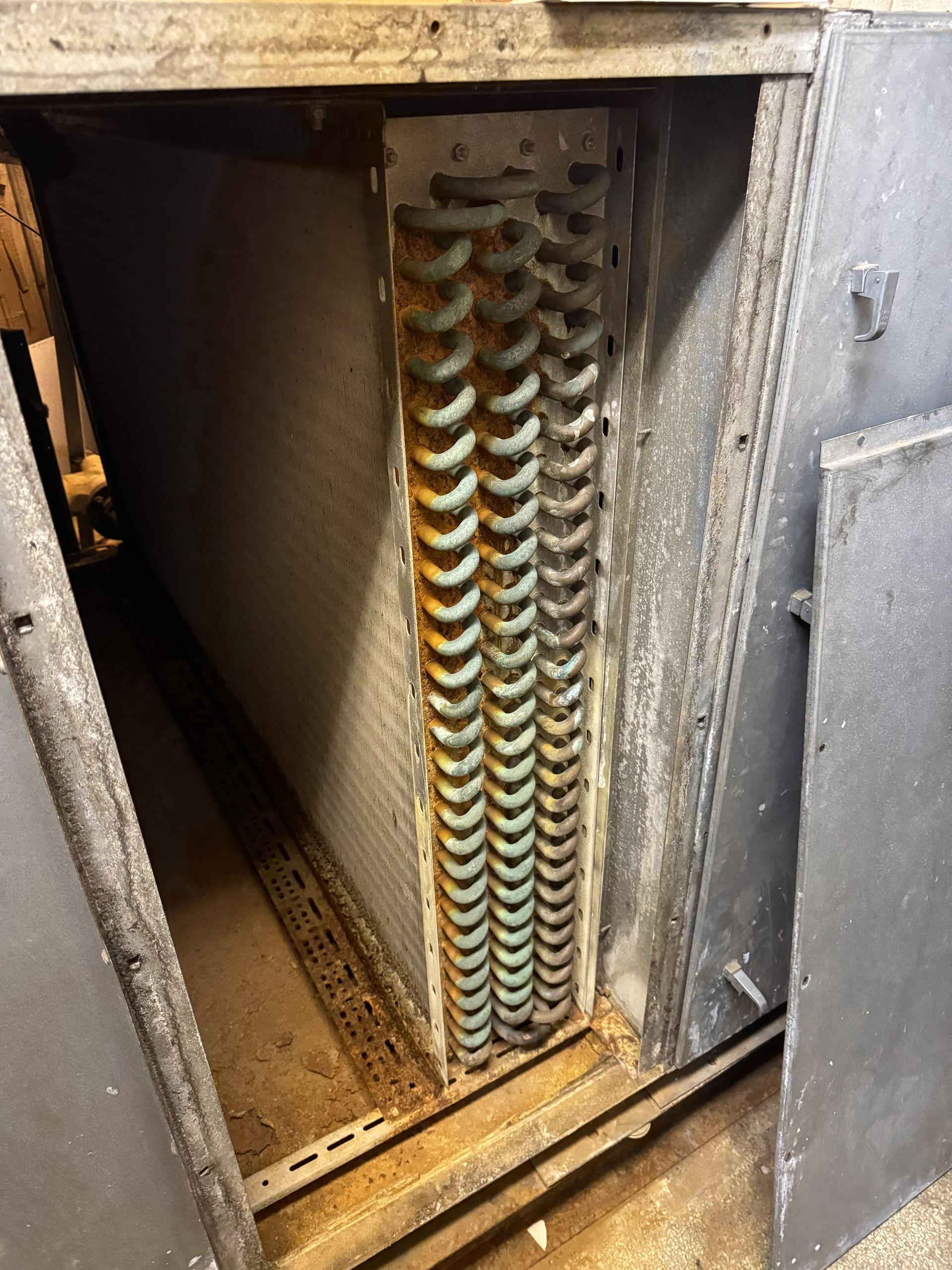
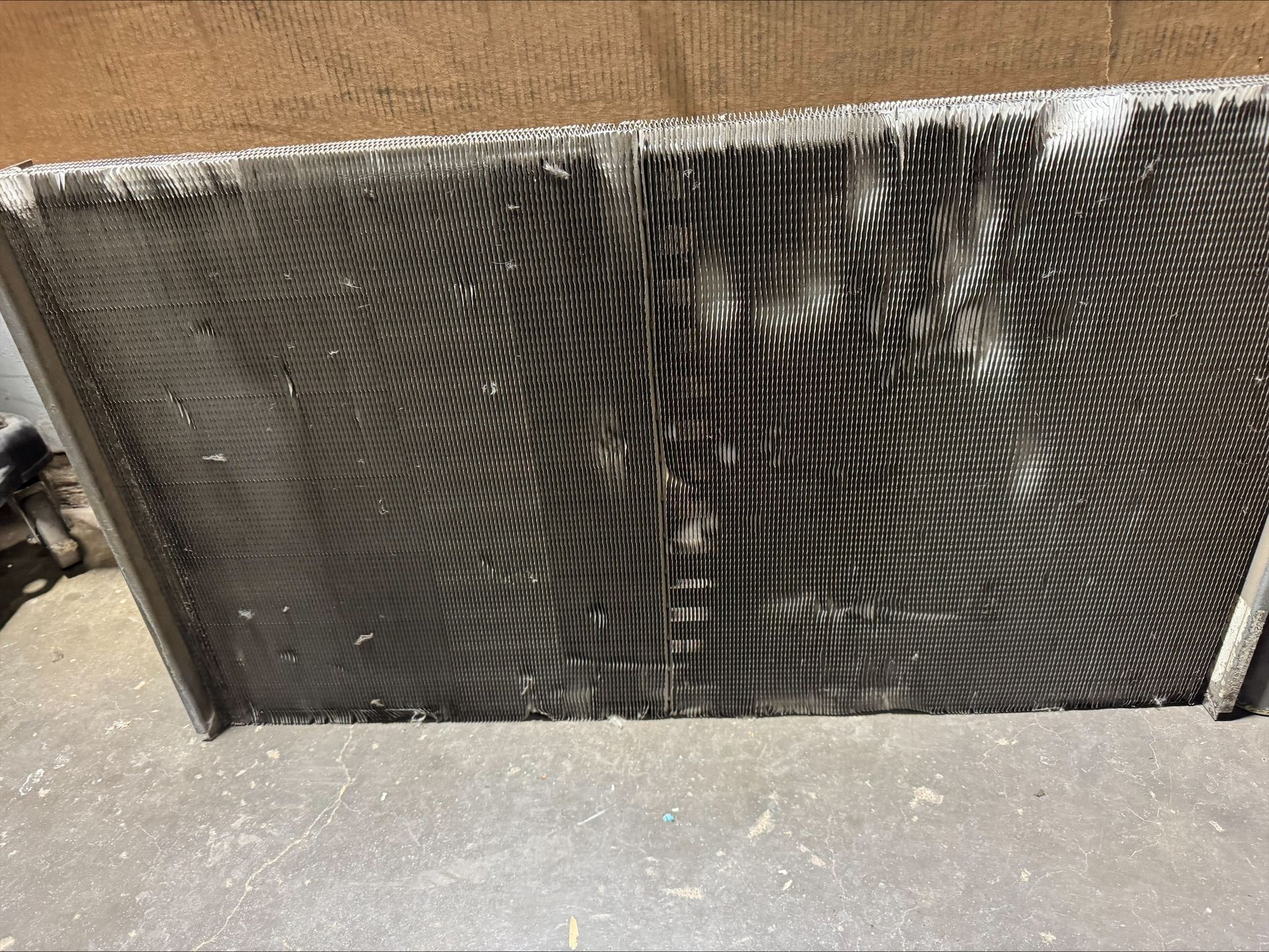
A coil schedule is a table included with mechanical drawings and specifications that summarizes the performance requirements and physical characteristics of the HVAC coils within the building. It comes with almost every type of coil and is an incredibly crucial piece within replacement projects. Understanding how to read it can drastically speed up your replacement process and reduce downtime in your next replacement project. Because of this importance, here is a comprehensive guide on how to read and understand a commercial HVAC coil schedule.
One of the most important parts of a coil schedule is the coil identification section. It acts as the starting point for identifying the specifics of the coil you’re replacing in a replacement job. This section gives information on the coil tag, equipment tag, location of the coil, type, and designation. The coil tag, especially, is key because it often provides you with the model and serial number. Each of these parts is essential information to identify the coil, and when given this information, HeatEX Technologies can often provide you with a quote without having to come out and measure the coil. This saves a ton of time on both ends when getting you your replacement coil.
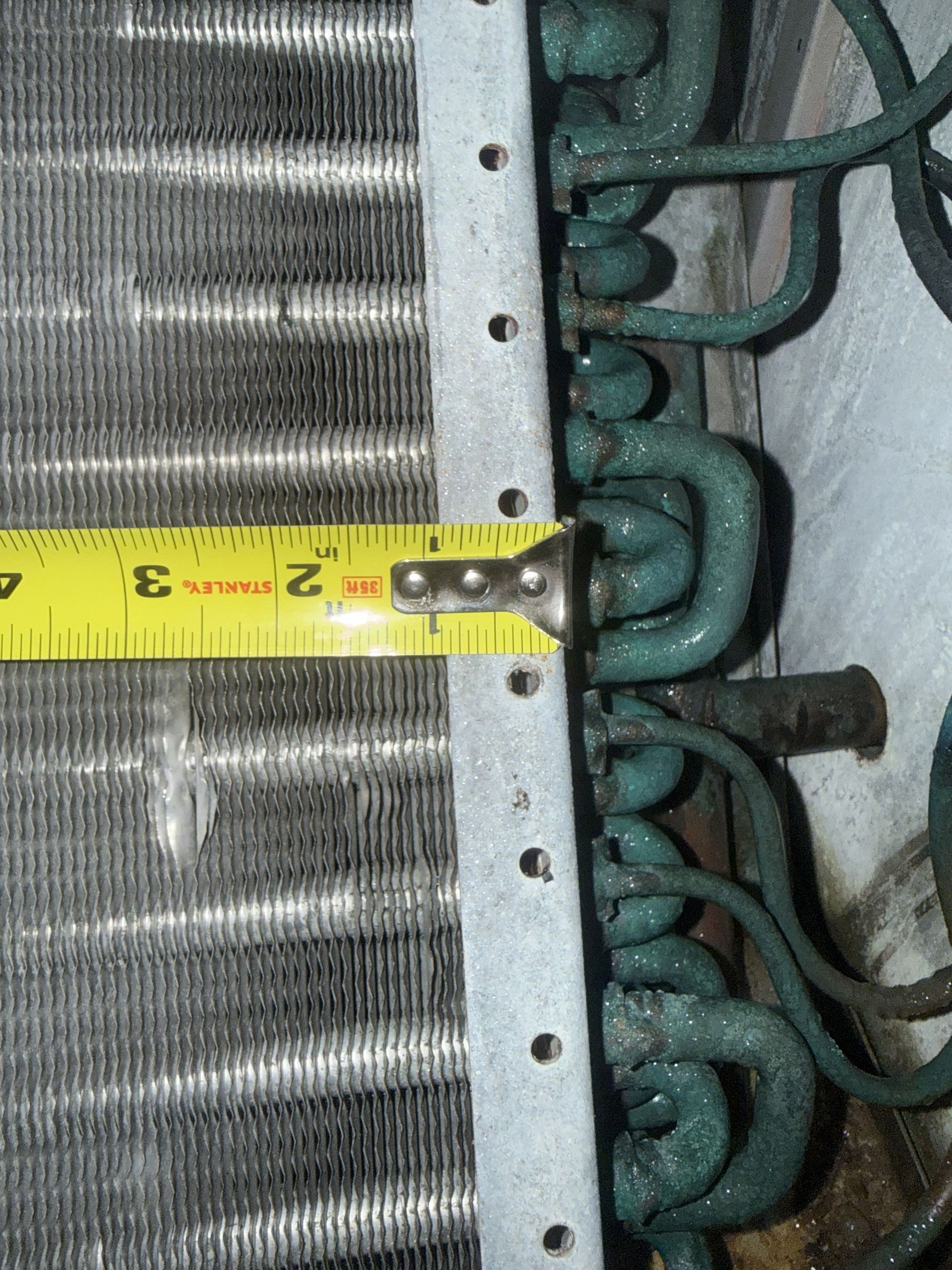
Another important part of a coil schedule is the airflow information it contains. This tells you how much air is moving across the coil in a metric called CFM, which means cubic feet per minute. How much air flows across the coil is a huge performance metric and impacts heat-transfer capacity, face velocity, and pressure drop. In a replacement project, you want to make sure the replacement coil can handle the same airflow requirements as the previous coil.
A commercial HVAC coil schedule also includes information on entering and leaving air temperatures, as well as capacity for the coil. The entering and leaving air temperatures help calculate the capacity of the coil when combined with other factors. In addition, a comparison of the entering and leaving temperatures shows you what measure the coil needs to either heat or cool the air to while it passes through it. This matters because, in a replacement project, you need to know how hard your system will work to improve efficiency.
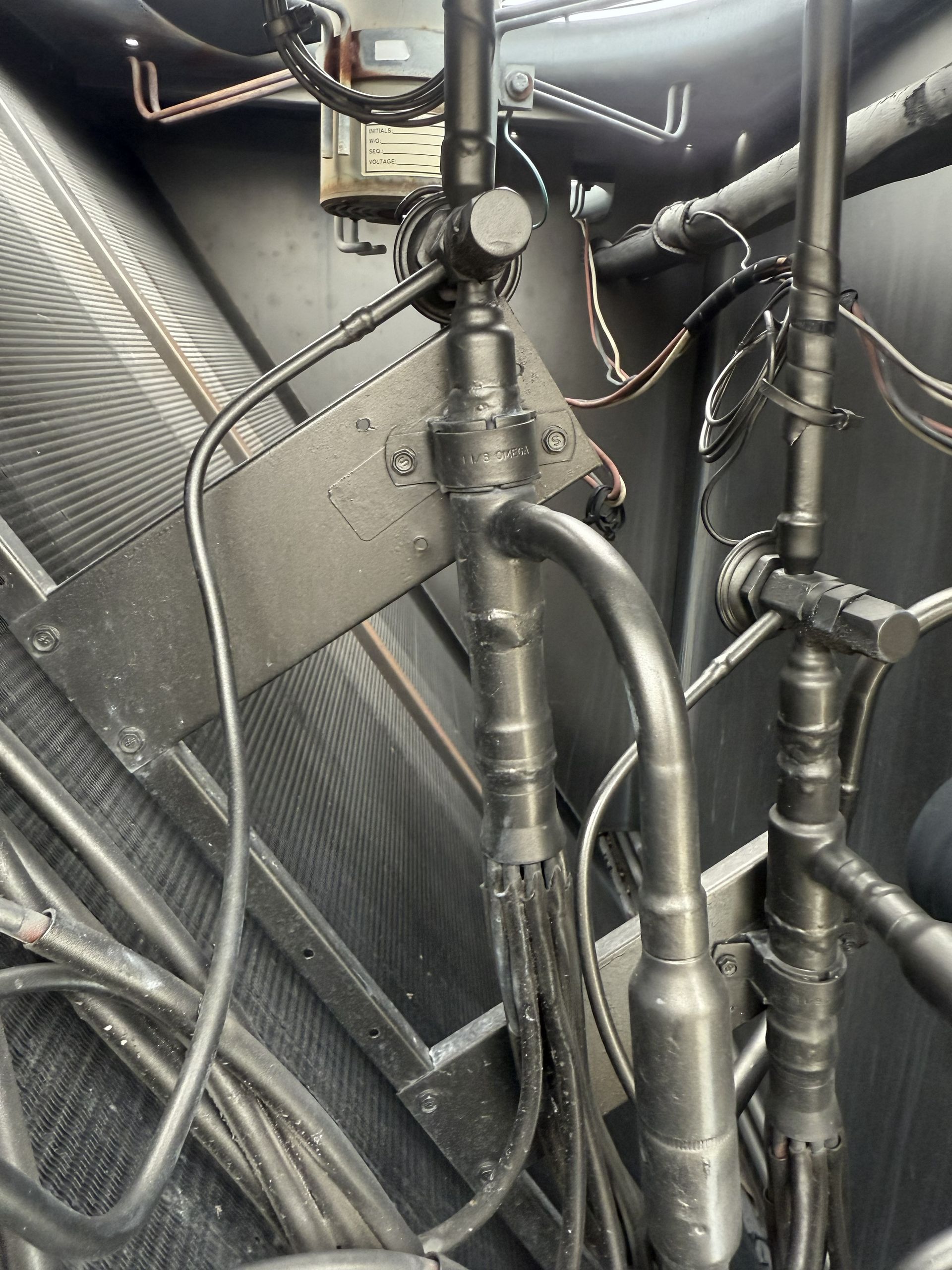
In a similar manner to entering and leaving air temperature, a coil schedule also contains information about the water flow and water temperatures inside the coil. This is extremely important for heat transfer efficiency, because the flow rate and water temperatures account for a large amount of the heat transfer process. Making sure you know what these metrics are in your coil will save you much time when making a replacement.
At HeatEX Technologies, we want to make sure that you are as prepared as possible for your next replacement project. We make sure to understand the precise specifications of your existing system before manufacturing a replacement coil, so that our replacement can be implemented as seamlessly as possible. For facility managers or mechanical contractors who prioritize low downtime in their projects, give HeatEX Technologies a call, and we will assist you with a speedy lead time and excellent customer service. We help with your project any way that we can, and we are always problem-solving new ways to assist you and your team.