Which Material is Best for your Coil?
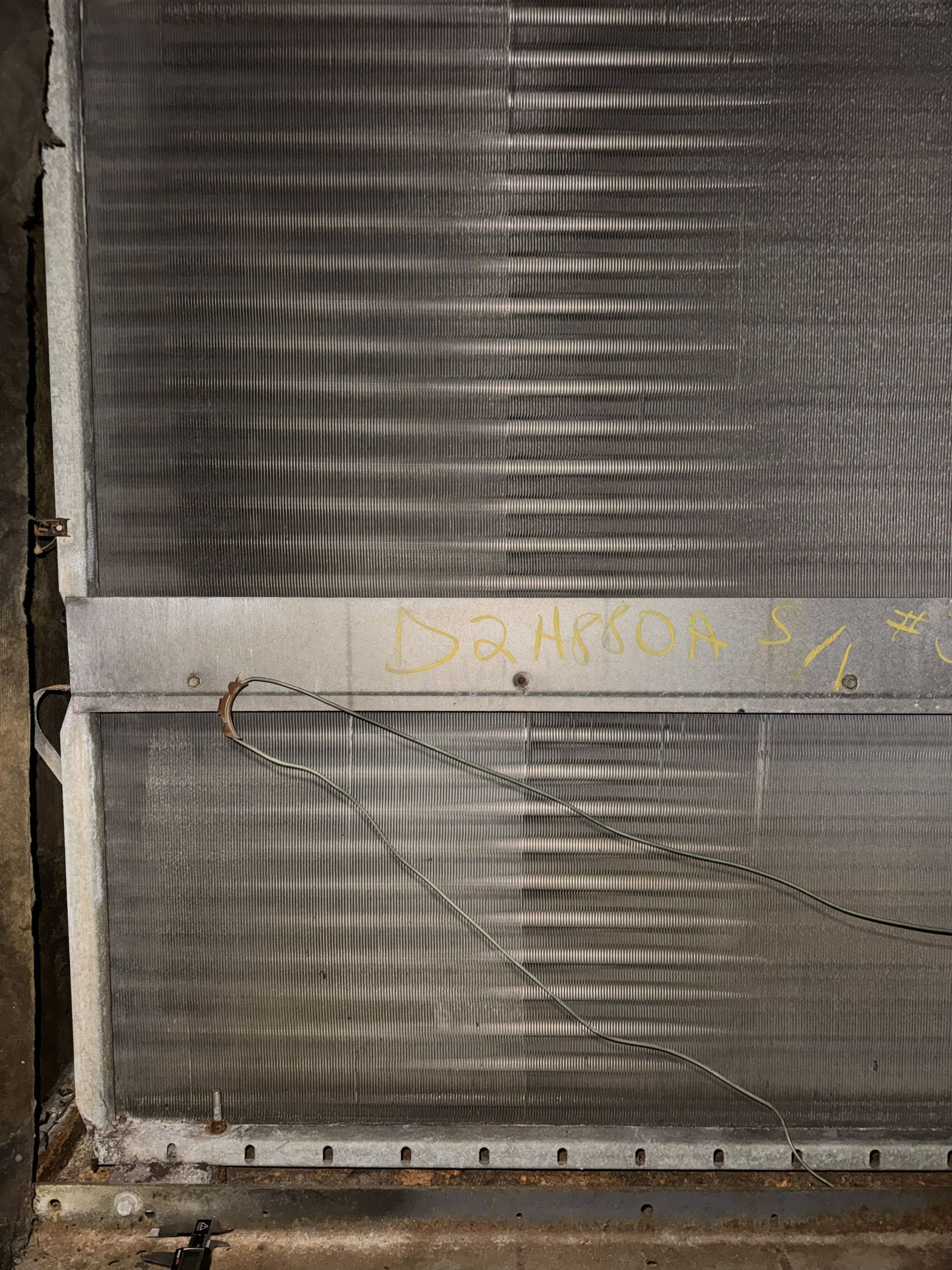
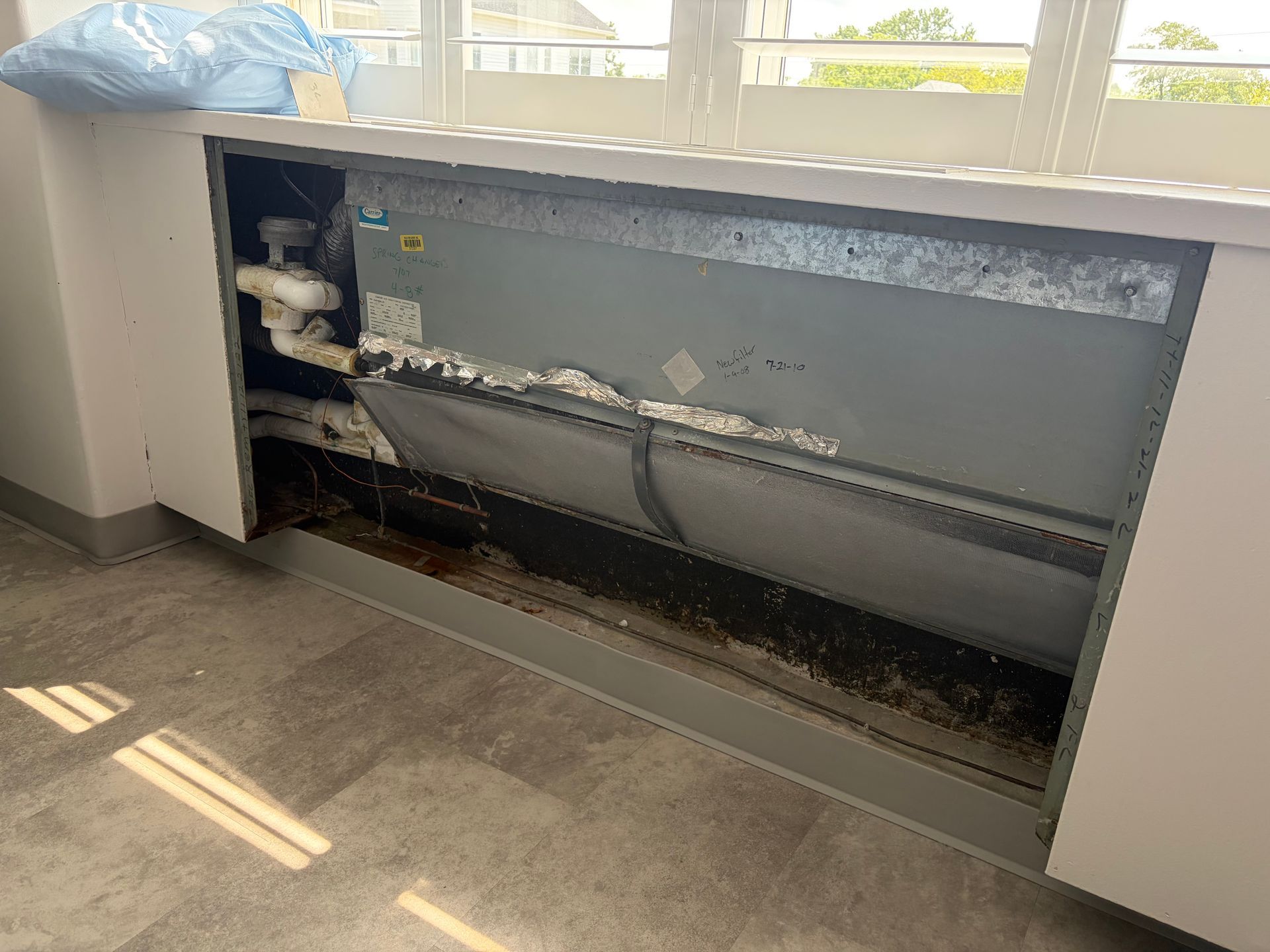
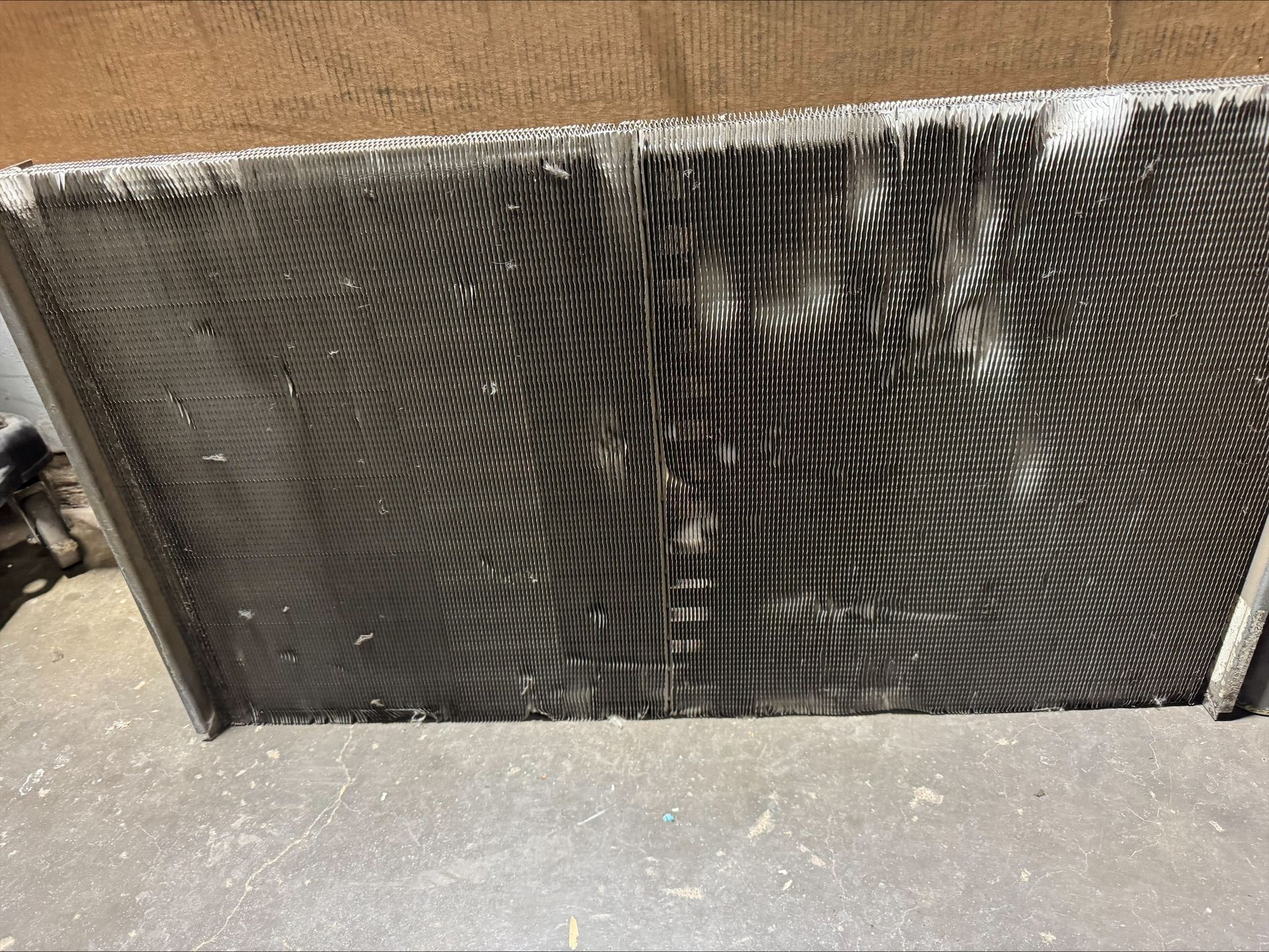
In commercial HVAC, one of the largest yet overlooked aspects of a custom coil replacement job is the materials that the coil is made of. Different materials thrive better in different systems and environments, which affects the lifespan and efficiency of the coil. Making sure that your replacement coil is best suited for your unique system and location is integral to any facility, and failure to do so can increase costs and decrease reliability. Here is a breakdown of each material in your coil and what scenarios to select each in.
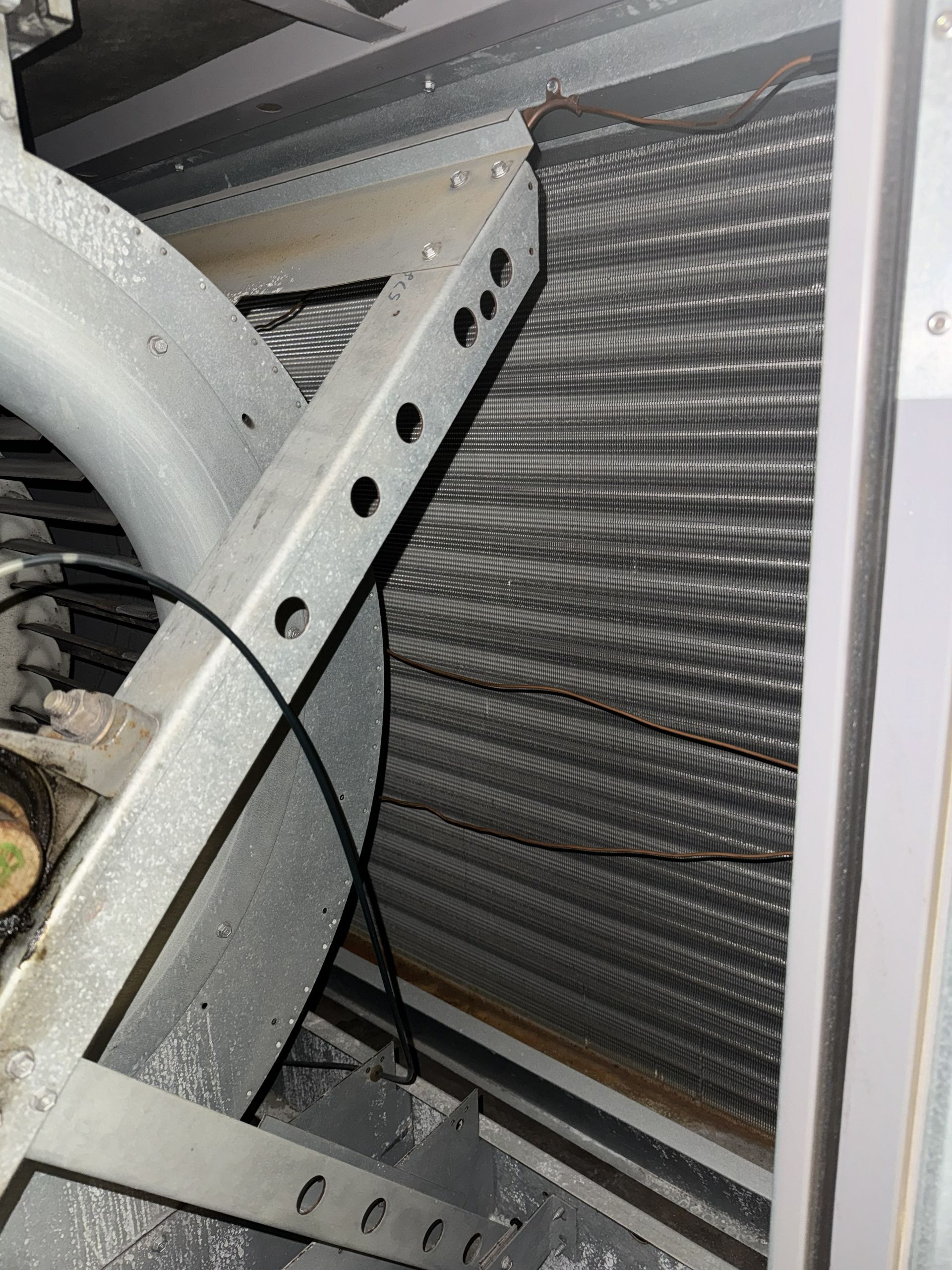
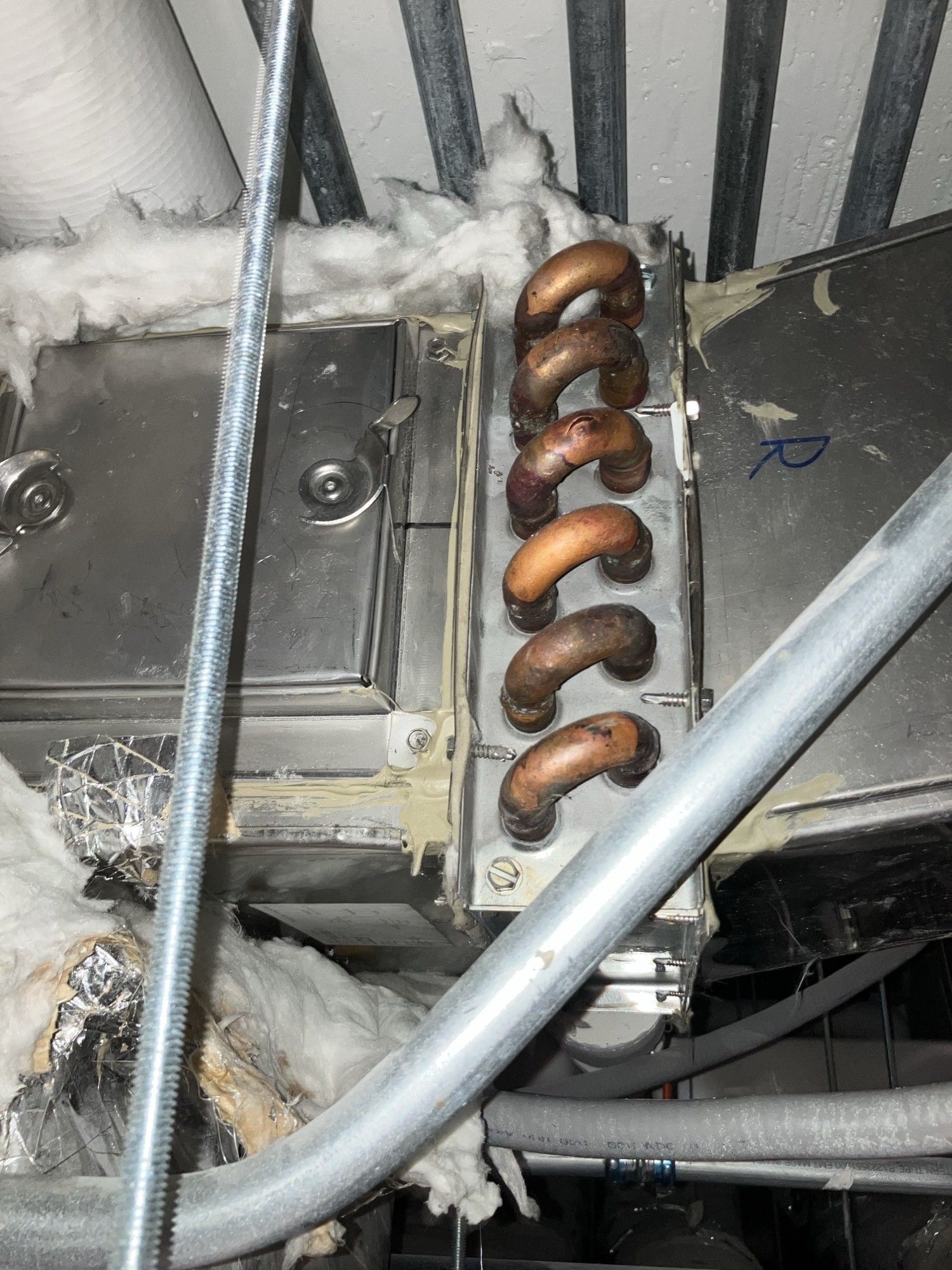
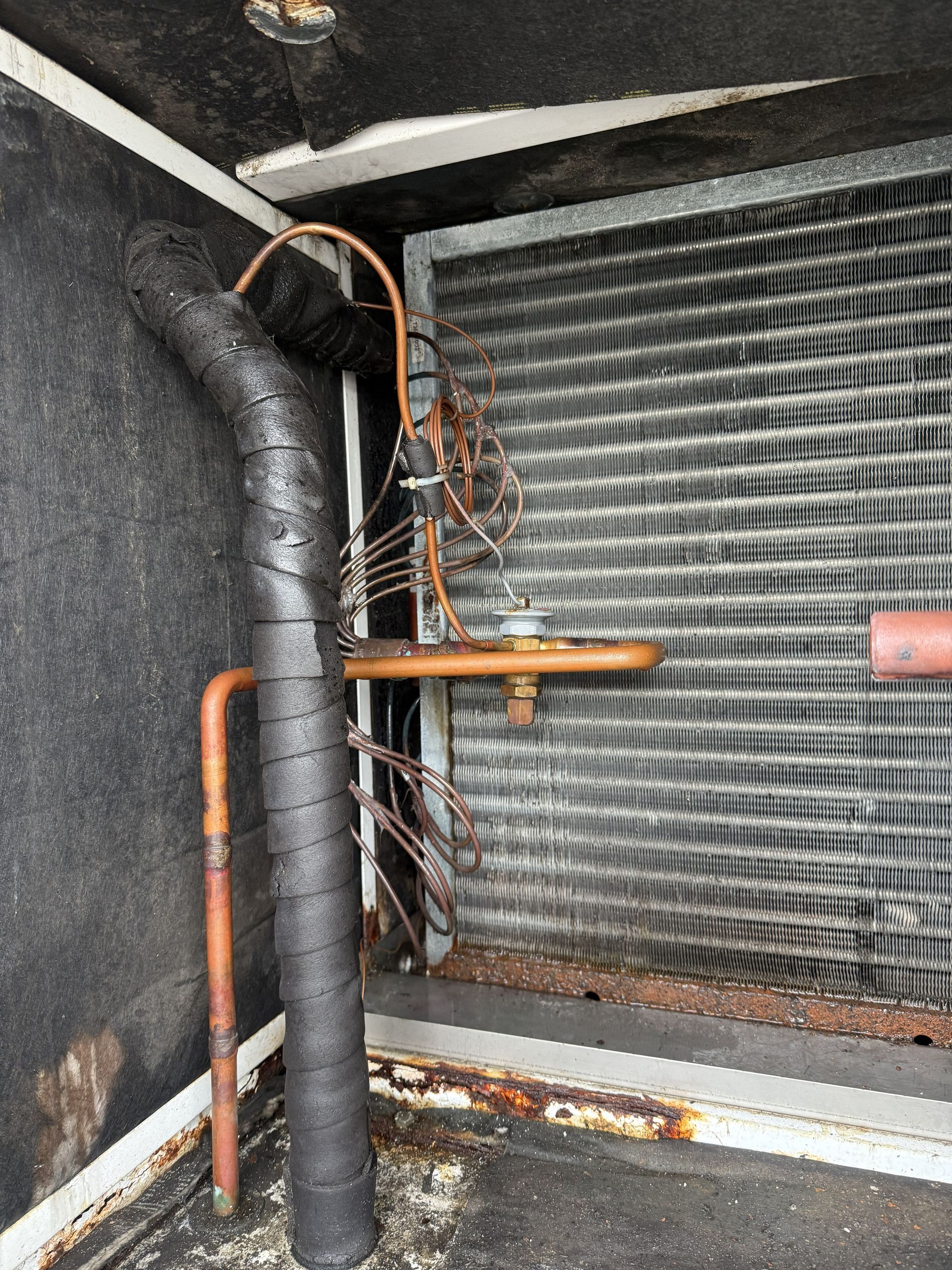
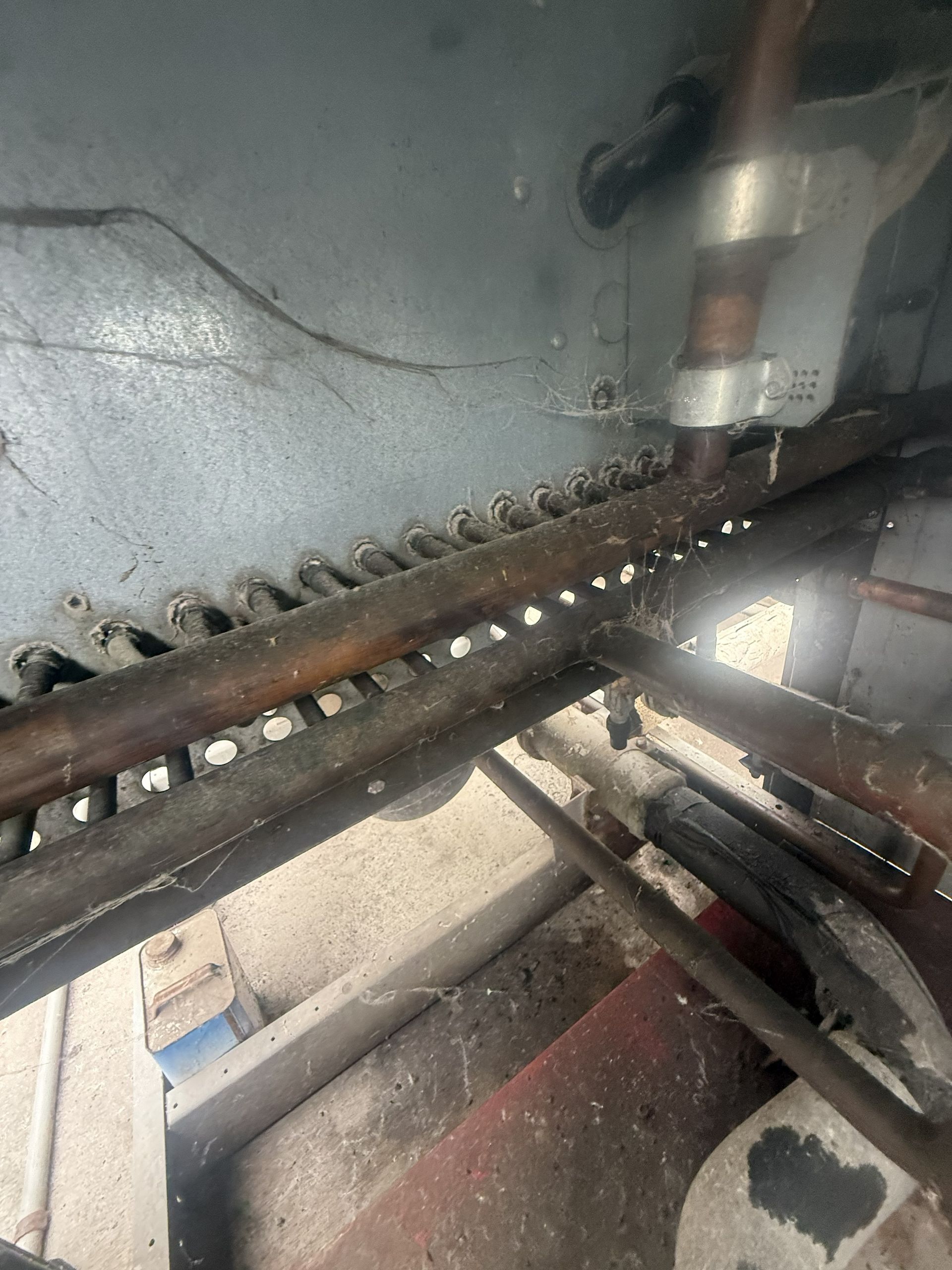
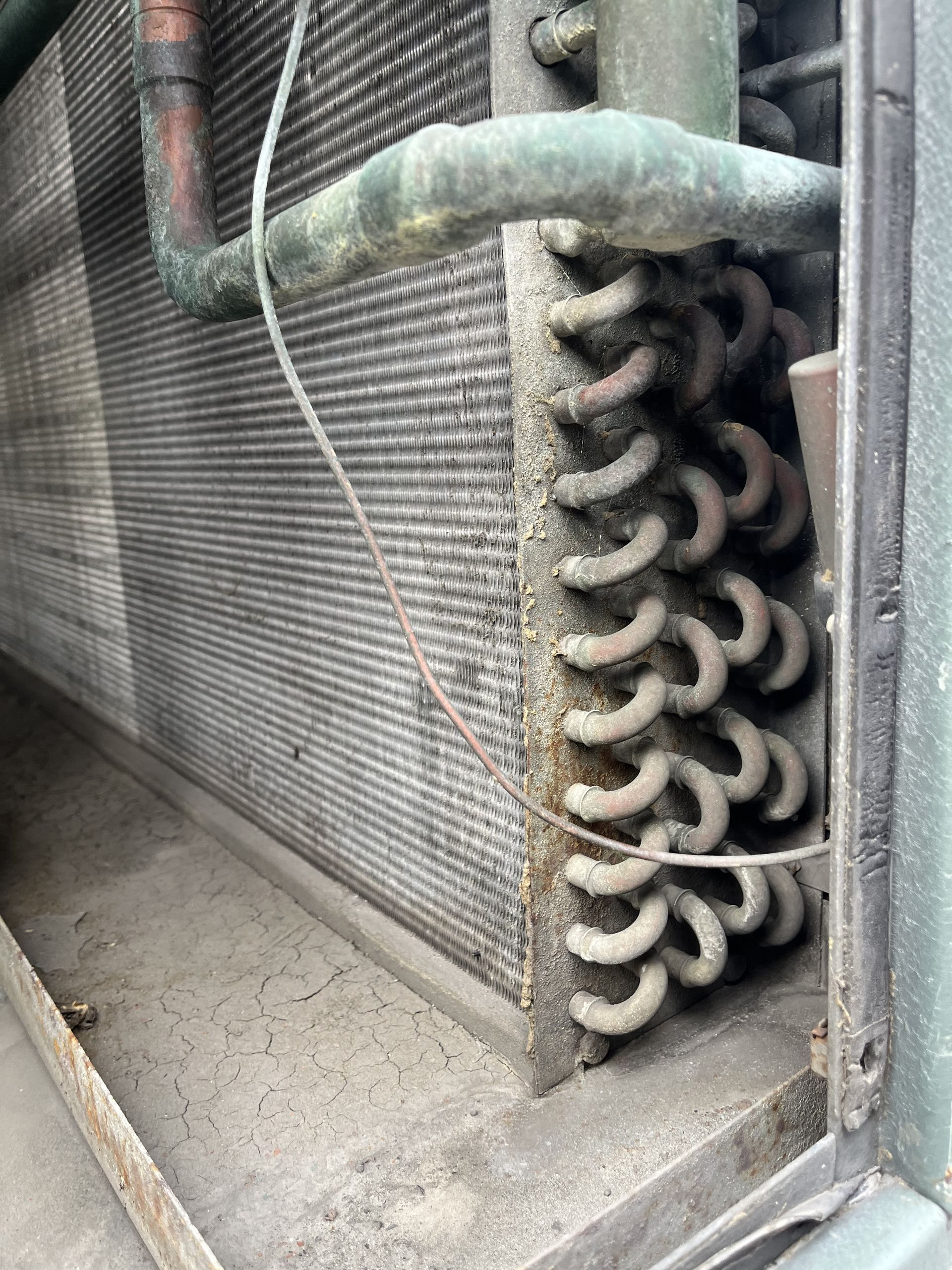
Copper is the most common material in the tubing of the coil and offers many advantages for use. Copper is stronger and easier to maintain than aluminum and other materials. It has a better heat transfer rate and is much more reliable as a whole. When damaged, it is easier to repair, saving time and energy. Though it offers many pros, it is more expensive than other materials and is not immune to corrosion. In a system where reliability is required, such as chillers, schools, and hospitals, copper is your best option and will save much time and effort on the maintenance side.
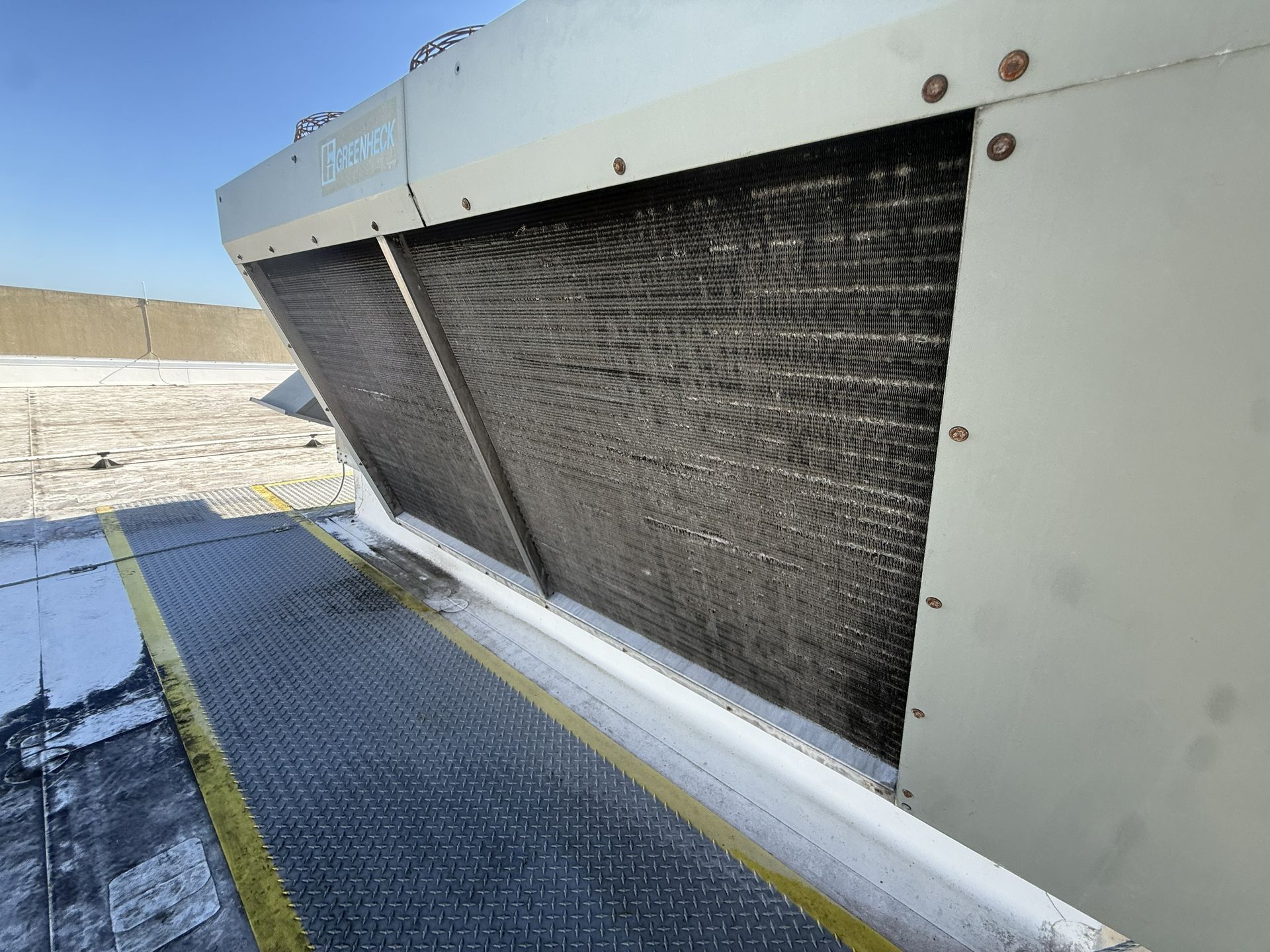
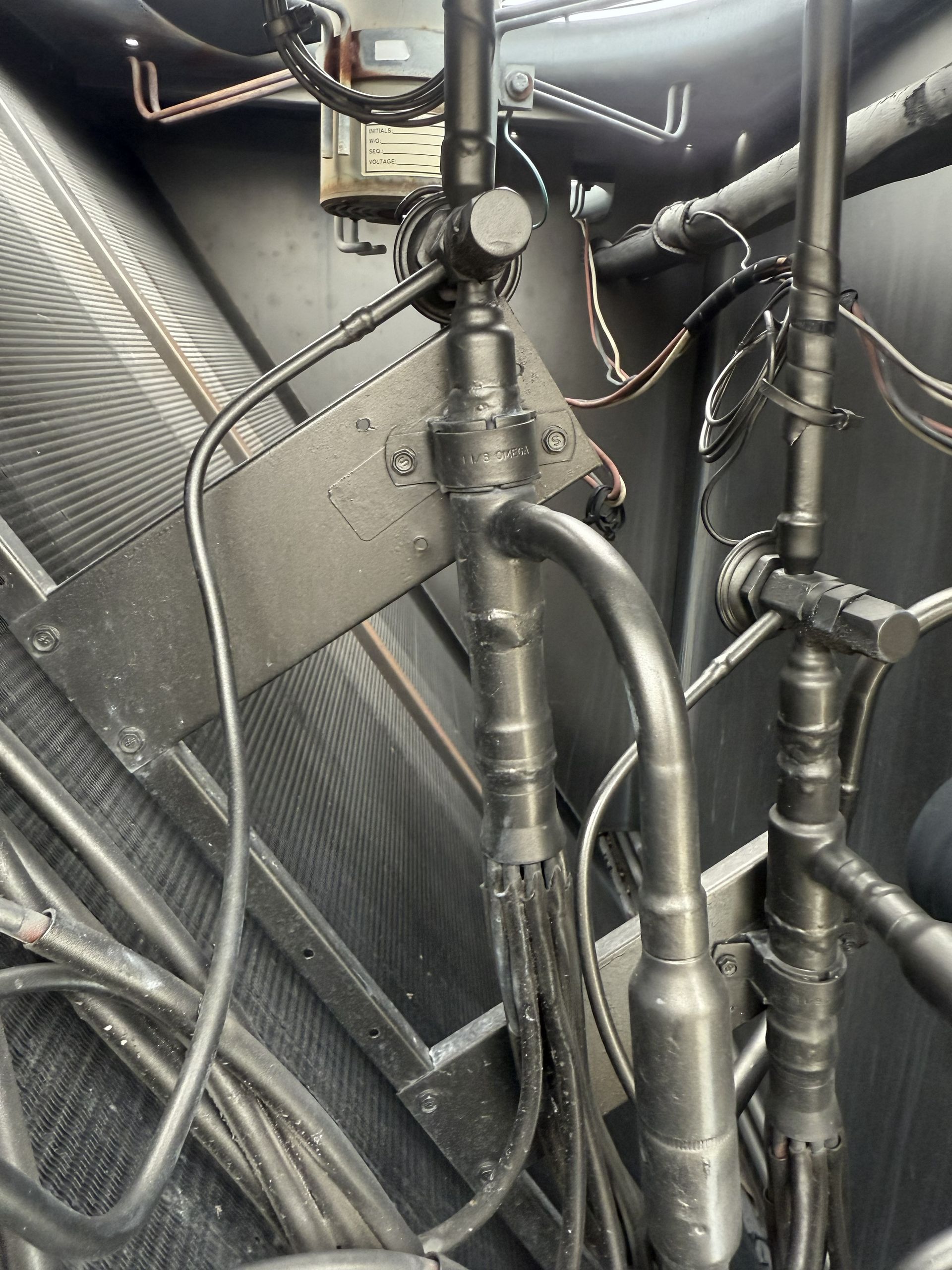
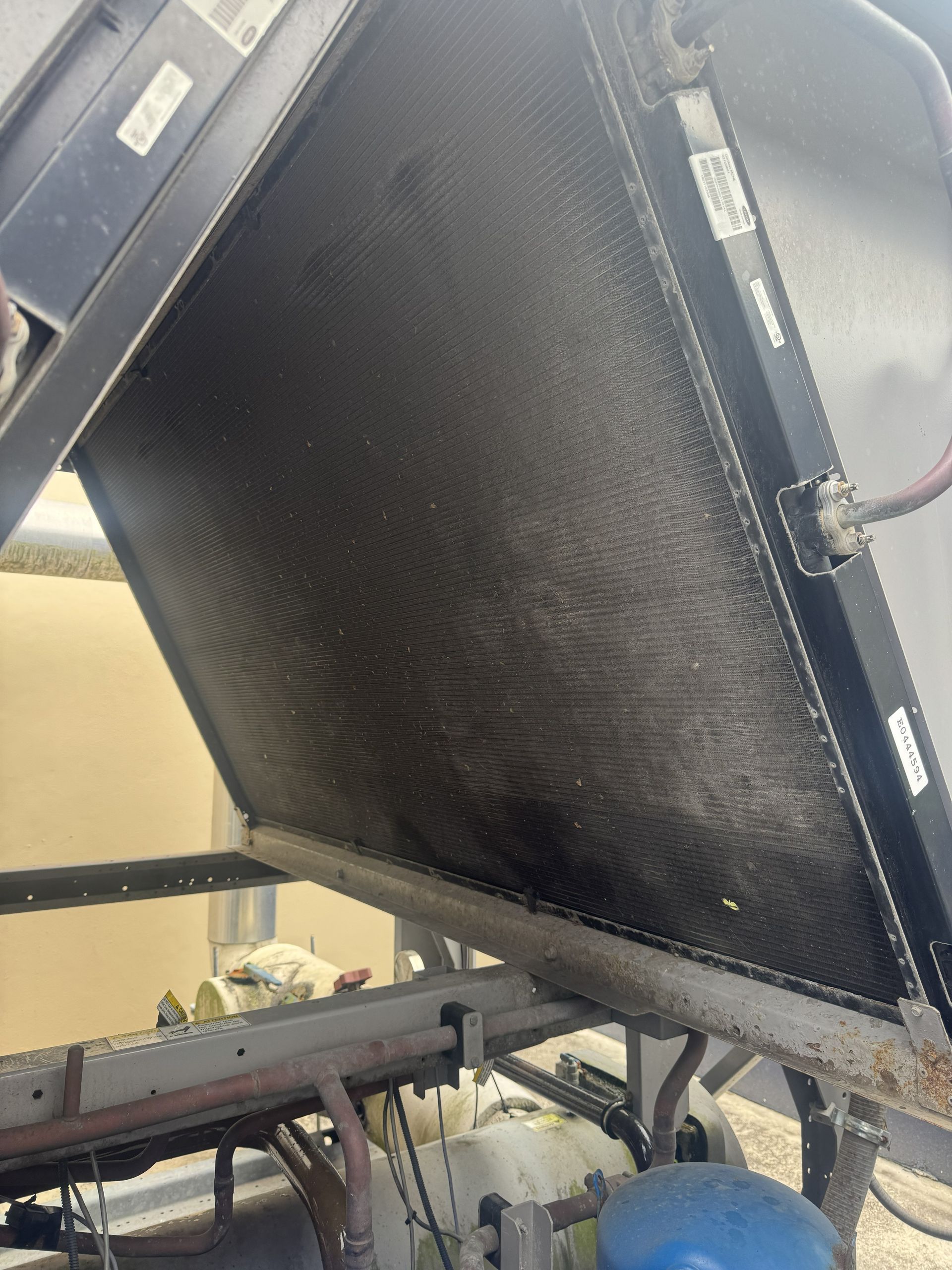
Aluminum can be used in both the tubing and fins of the coil. More commonly found in the fins, aluminum comes with a lower cost than other options with more pliability. Aluminum is used in microchannel coil tubing and is much more difficult to clean, repair, and maintain than copper and other materials. In humid environments, Aluminum rapidly deteriorates, making it not the best choice for longevity near coastal environments and in southern areas. Aluminum's cheap and pliable nature makes it cost-efficient, yet be careful, as in the wrong environment it can be difficult to maintain.
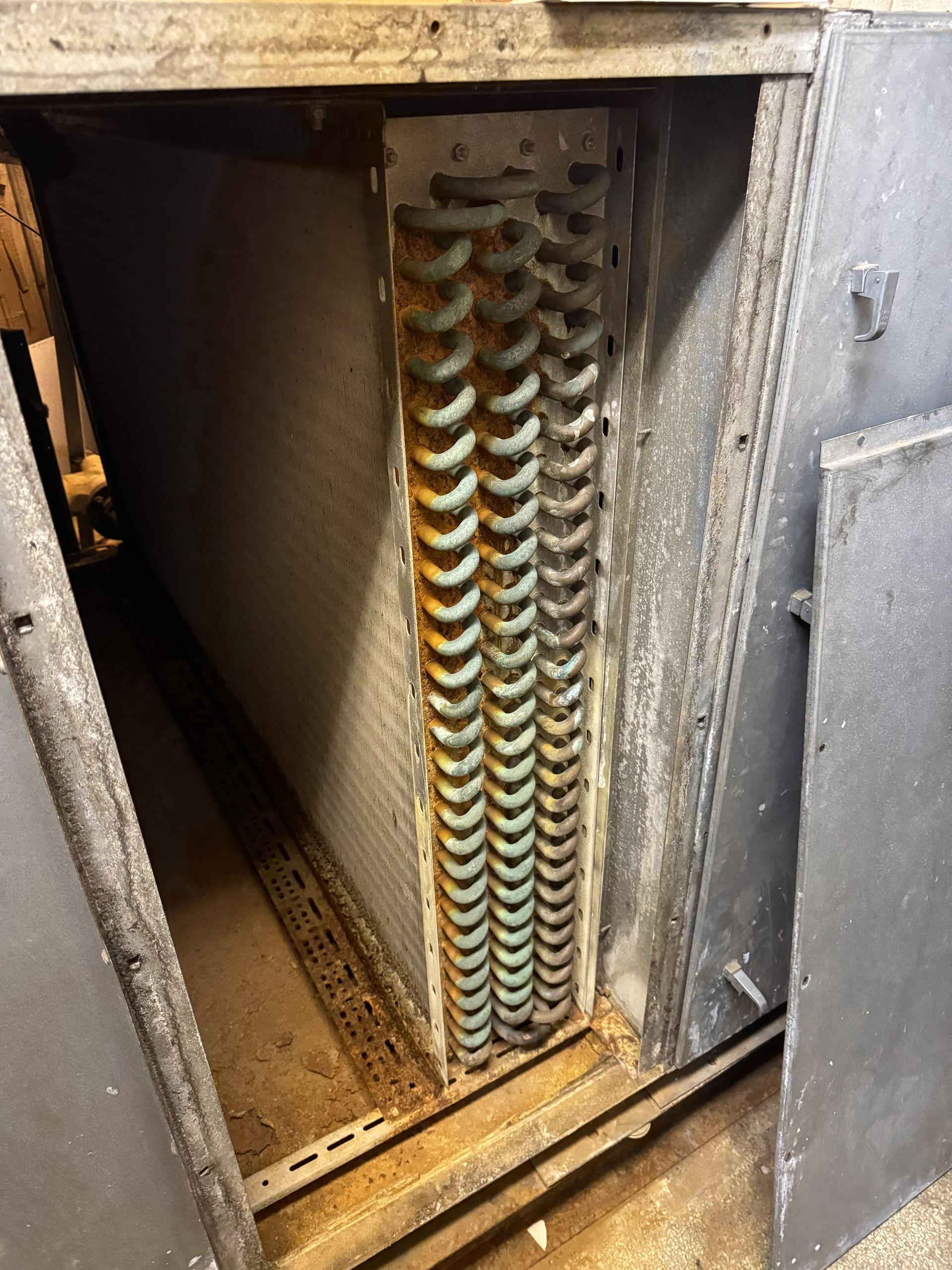
Stainless steel is the least common of the materials in a coil; however, it remains a viable option in very specific scenarios. Stainless steel is the most corrosion-resistant material of the three and is extremely durable. However, it is the most expensive material and comes with lower thermal conductivity than the other materials. In highly corrosive environments such as chemical plants and wastewater treatment plants, stainless steel tubing could be a solid choice for durability.
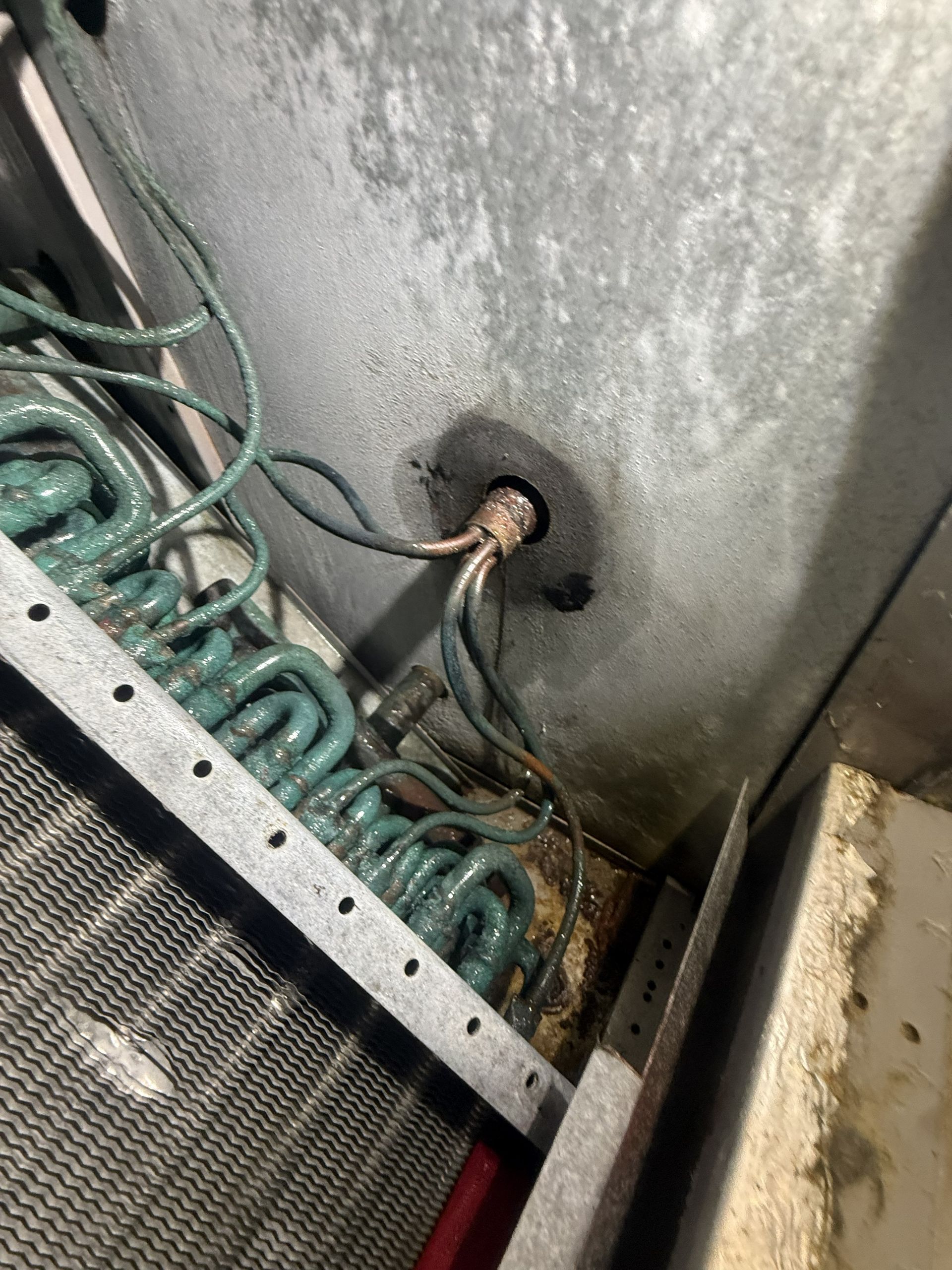
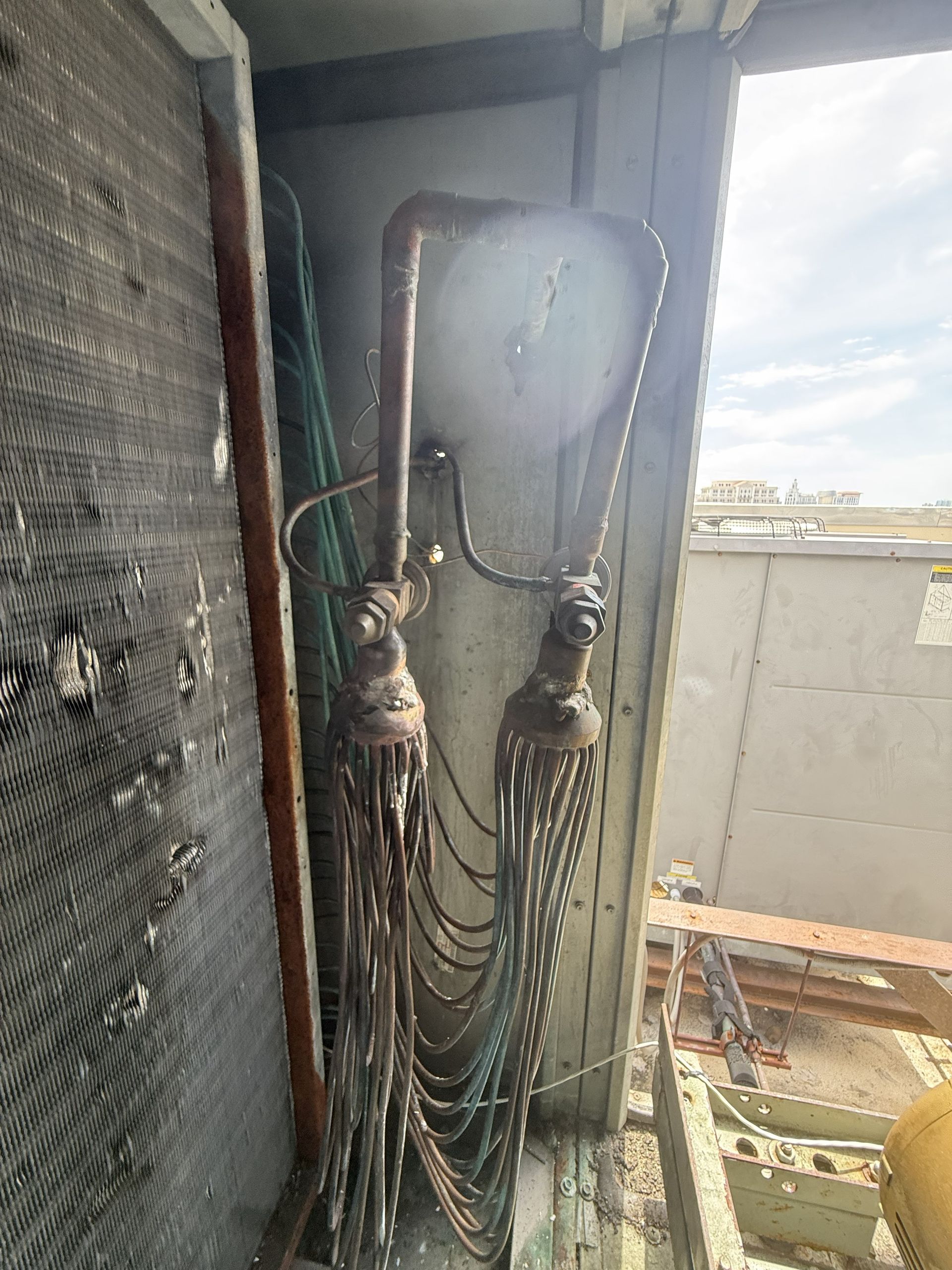
In addition to breaking down these 3 materials within custom replacement coils, it is worth noting that in certain environments, material alone isn’t enough to completely prevent corrosion and other failure types. In scenarios such as these, your best bet is to get your coils coated to fit the environment your system resides in. While more expensive, coatings can be the extra step your system needs to maintain efficiency and reliability.
At HeatEX Technologies, we offer custom coils that utilize these materials for each specific job, taking system and environment into account. This ensures reliability for your unique system and prevents unnecessary extra spending and time in the future. If your coil fails due to wrong material choices, call HeatEX Technologies, and our team will assist you with a more efficient replacement coil option.
Works Cited
“Four Facts to Know About HVAC/R Coil Corrosion: Copper versus Aluminum.” Copper Development Association Inc., 11 Sept. 2019, https://blog.copper.org/hvac/r/four-facts-to-know-about-coil-corrosion-copper-versus-aluminum. Accessed 27 July 2026.
“Using Copper and Aluminum for HVAC Coils.” Emergent Coils, 12 Jan. 2024, https://emergentcoils.com/blogs/news/using-copper-and-aluminum-for-hvac-coils. Accessed 27 July 2026.