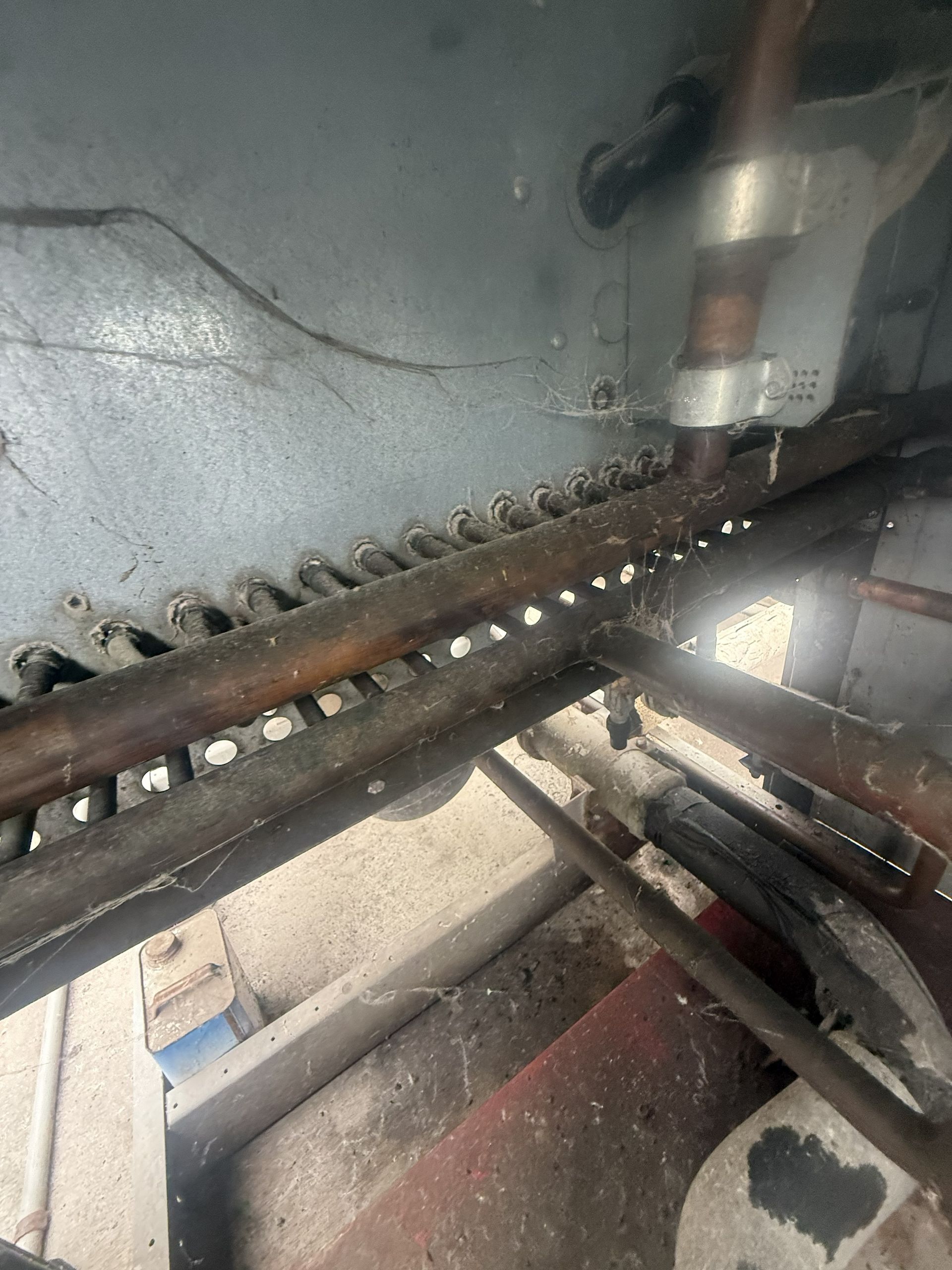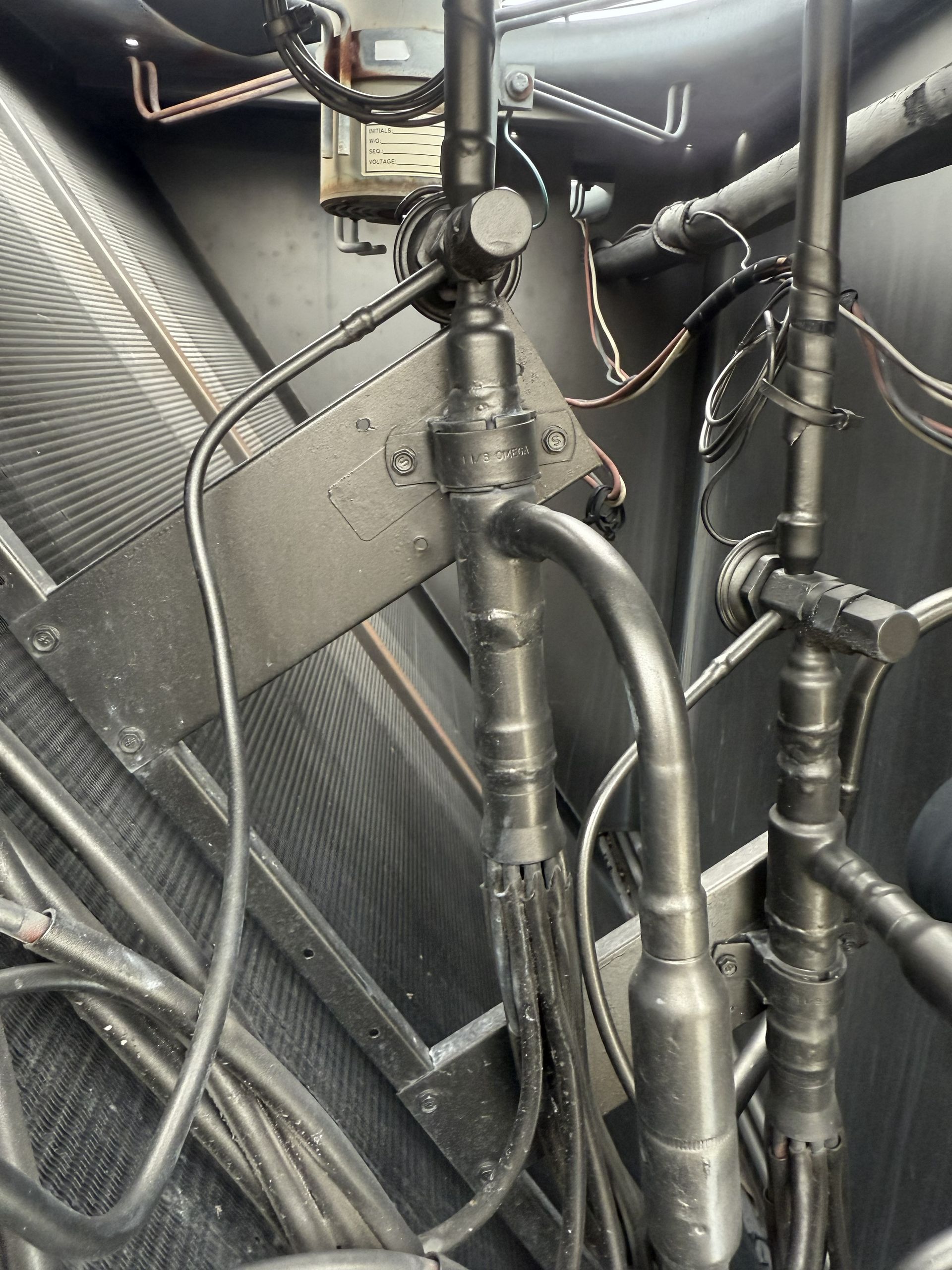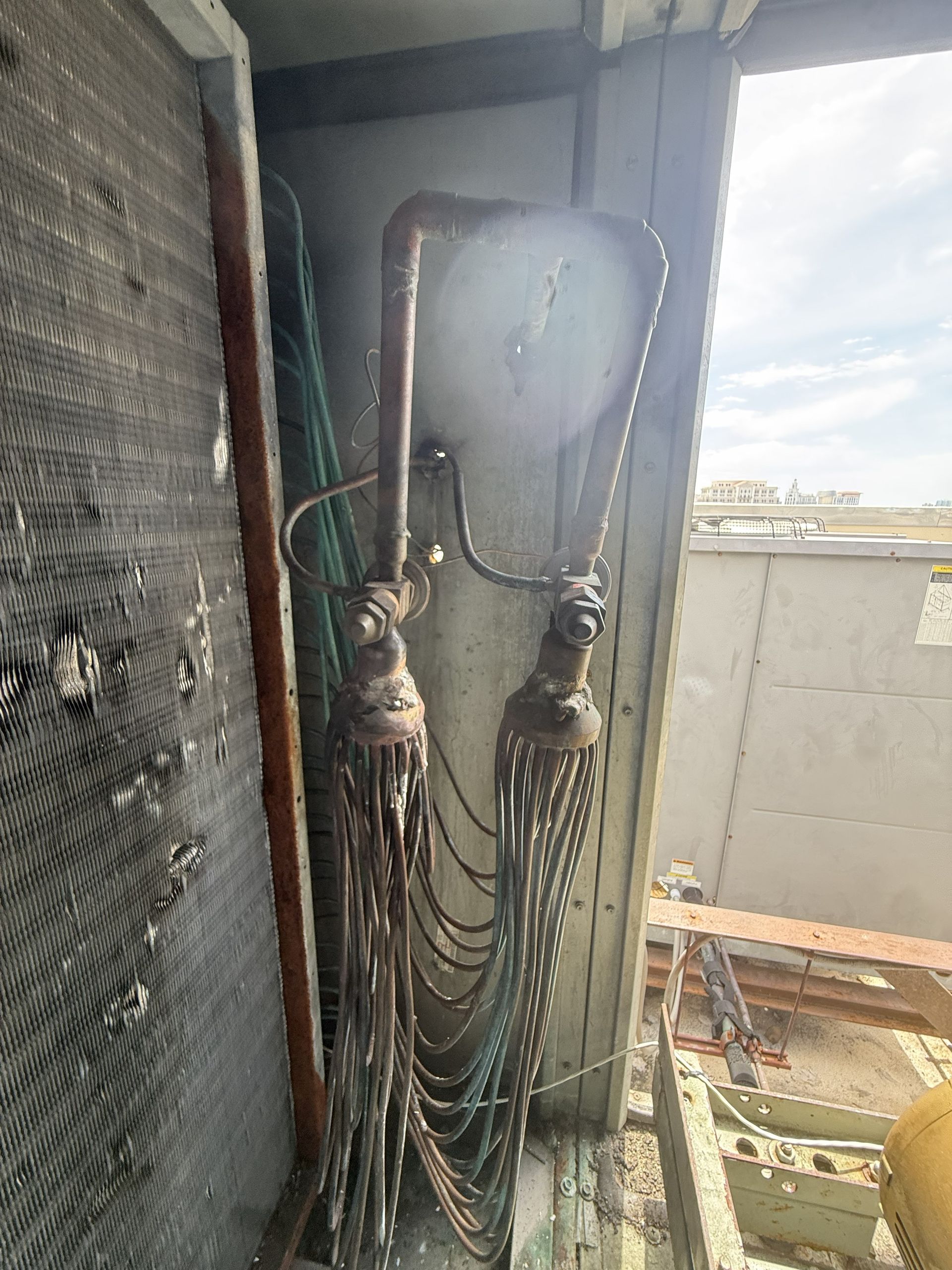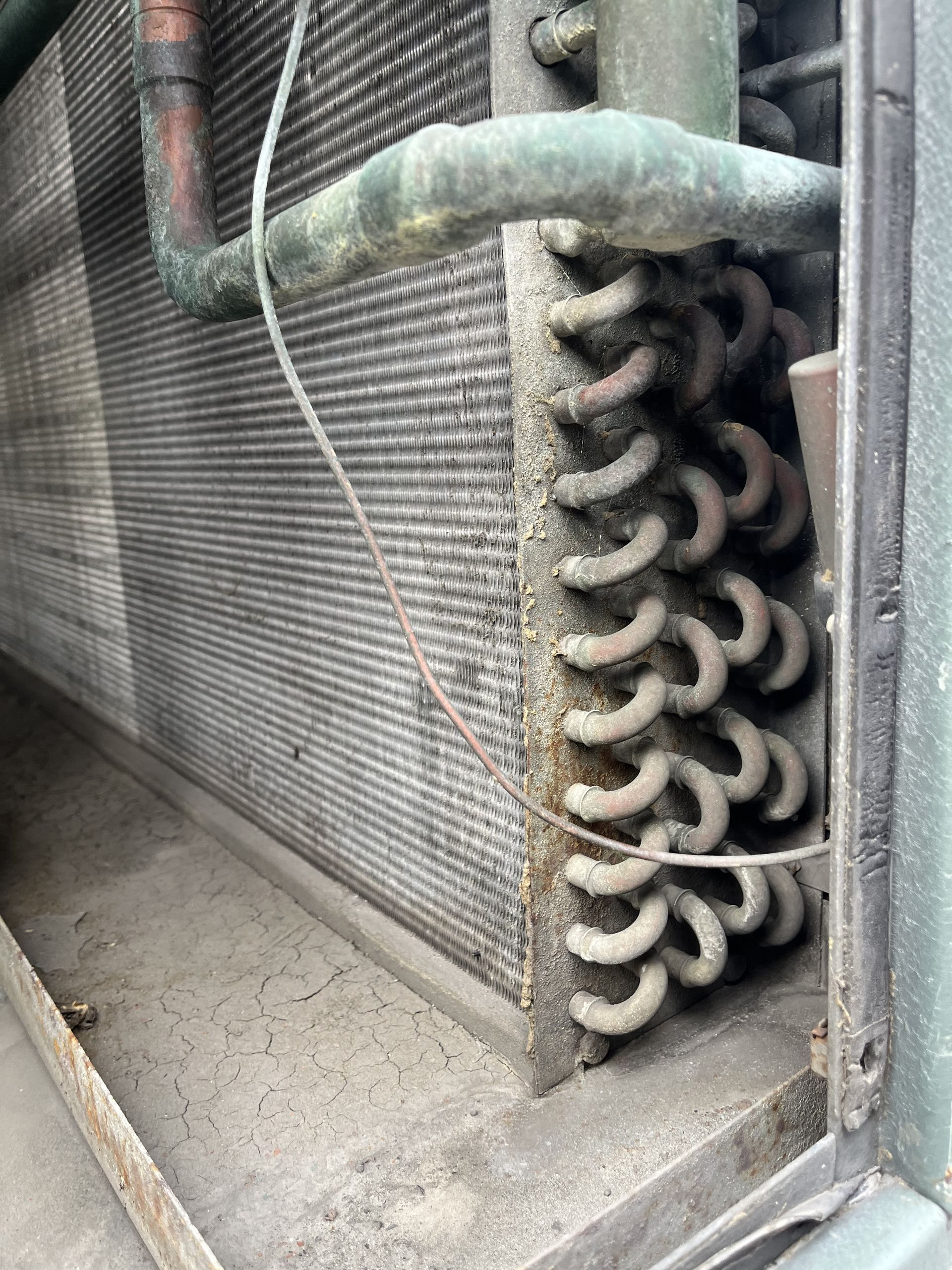
Condensation: Why Commercial HVAC Coils Produce it and What Happens to It in Your System

Colby Maun • October 12, 2026

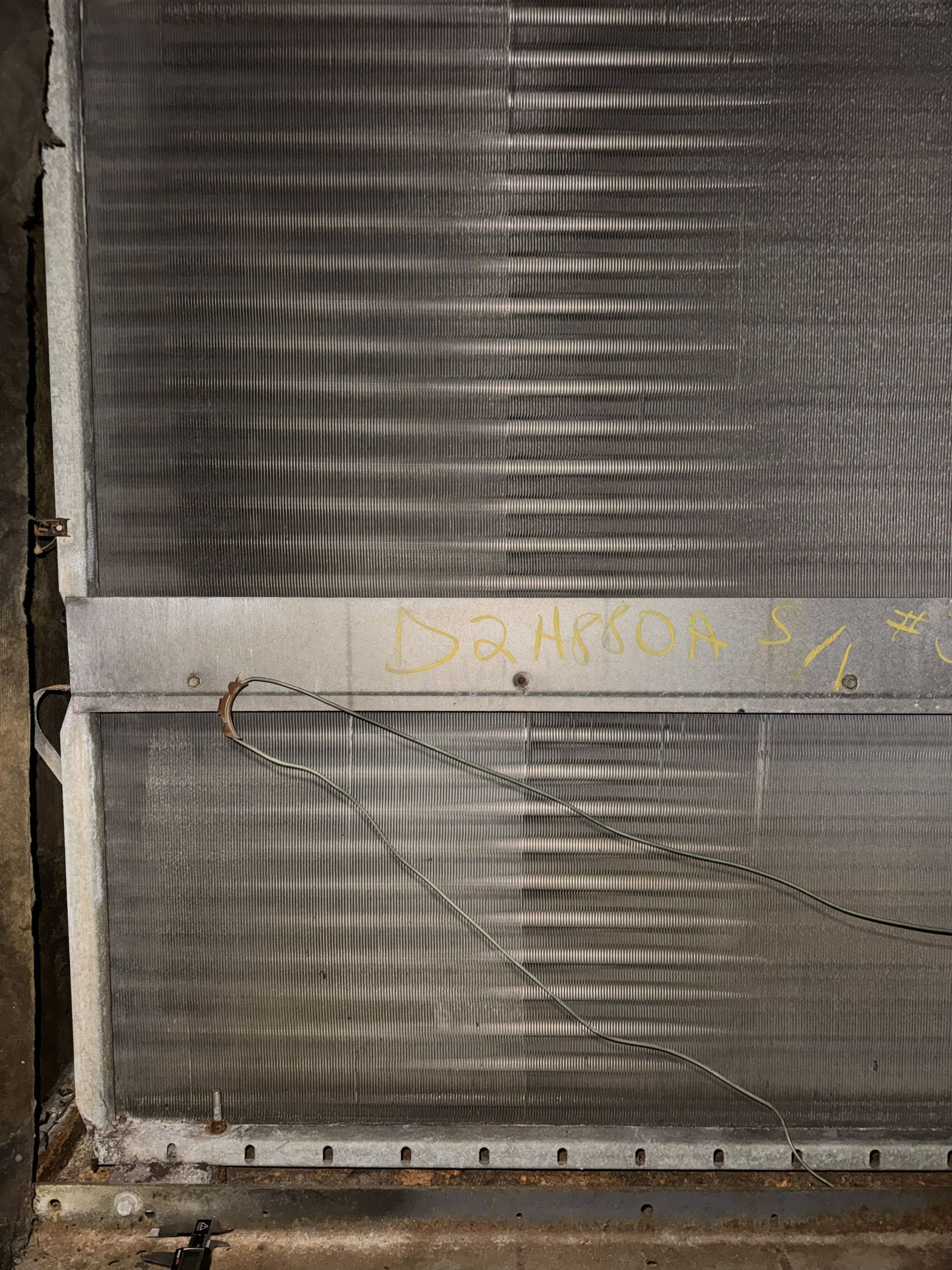
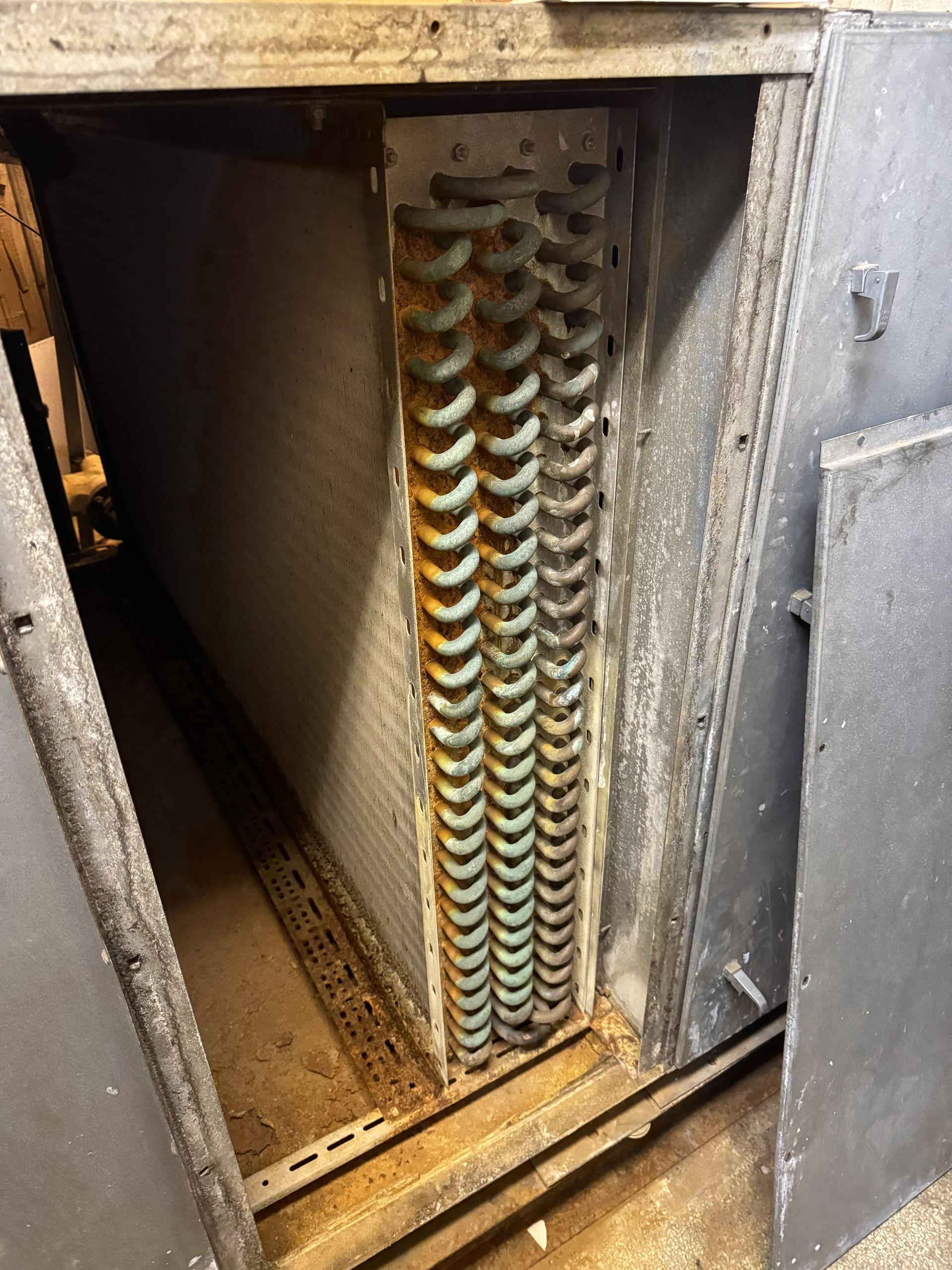
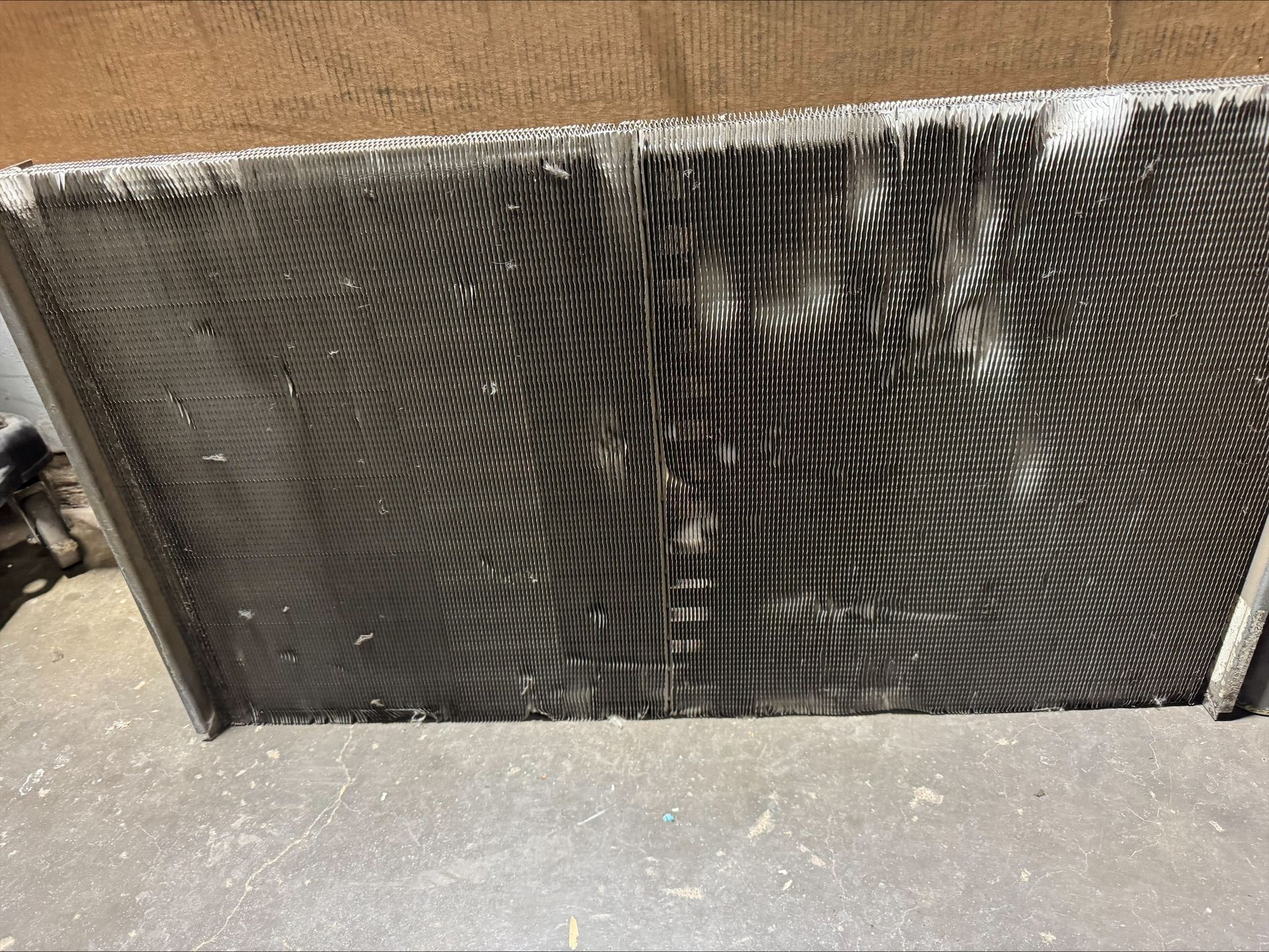
When facility managers think of commercial HVAC cooling coils, they typically think about their primary purpose: lowering air temperatures in certain zones through heat transfer. What’s often overlooked is how cooling coils also reduce moisture from the air in addition to lowering air temperatures. This often causes condensation to form on the surface of the coil. But why specifically do commercial HVAC cooling coils produce condensation? And what happens to it after it forms?


During operation, it's normal for condensed water to form on a commercial HVAC cooling coil's surface. This happens when the warm exterior air meets the cold surface as it passes over the coil. As it passes along, the coil absorbs the heat from the air, which lowers the temperature of the air. Something that also contributes to the equation is the air's dew point, which is the temperature at which air must be cooled to become completely saturated with water vapor. In this scenario, the air's dew point being warmer than the coil surface causes water vapor to begin condensing on the surface, forming the liquid you see on the coil. The condensation produced then allows the system to remove humidity from the air, which both improves indoor comfort and helps maintain the desired temperature. 
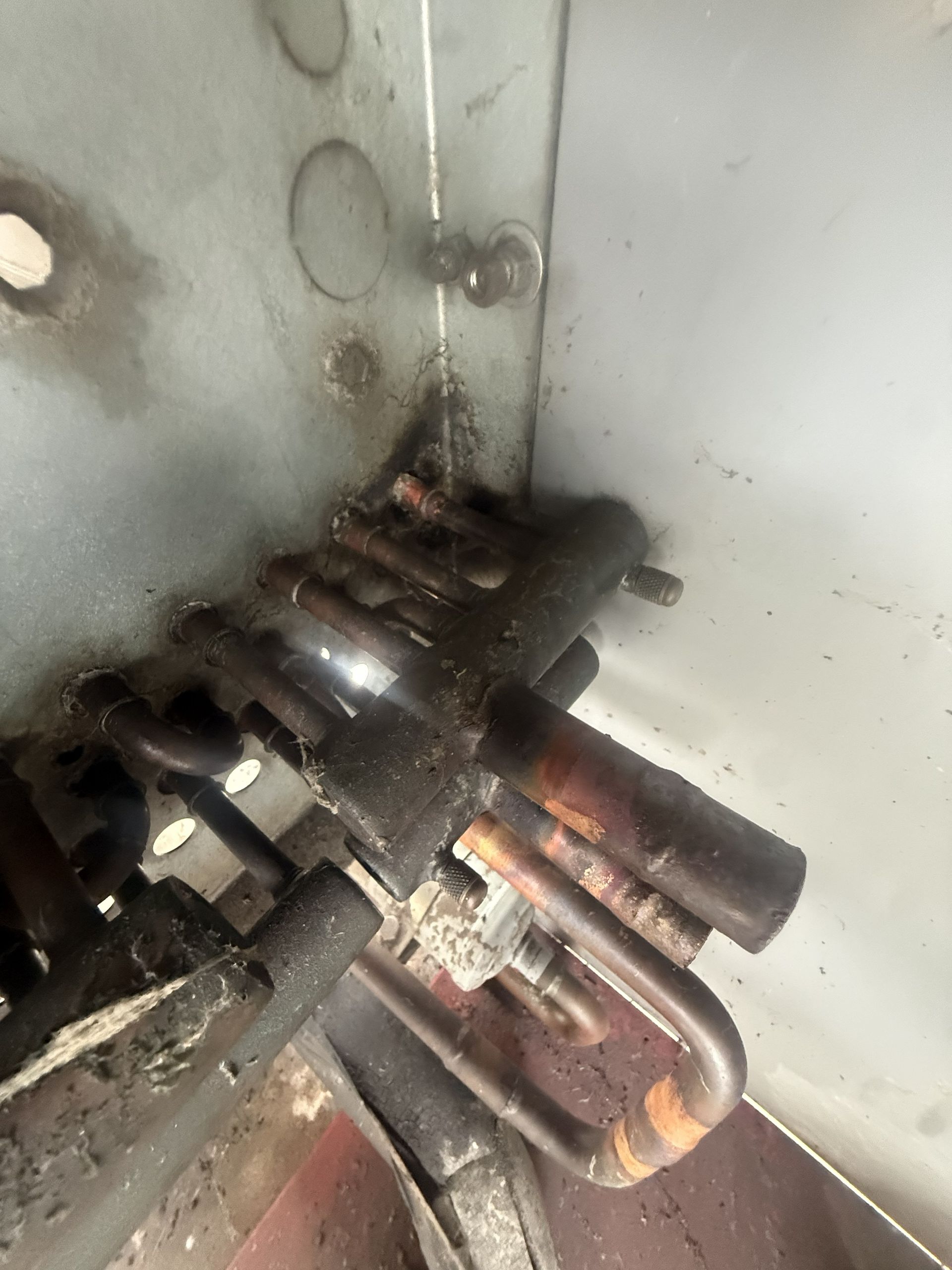
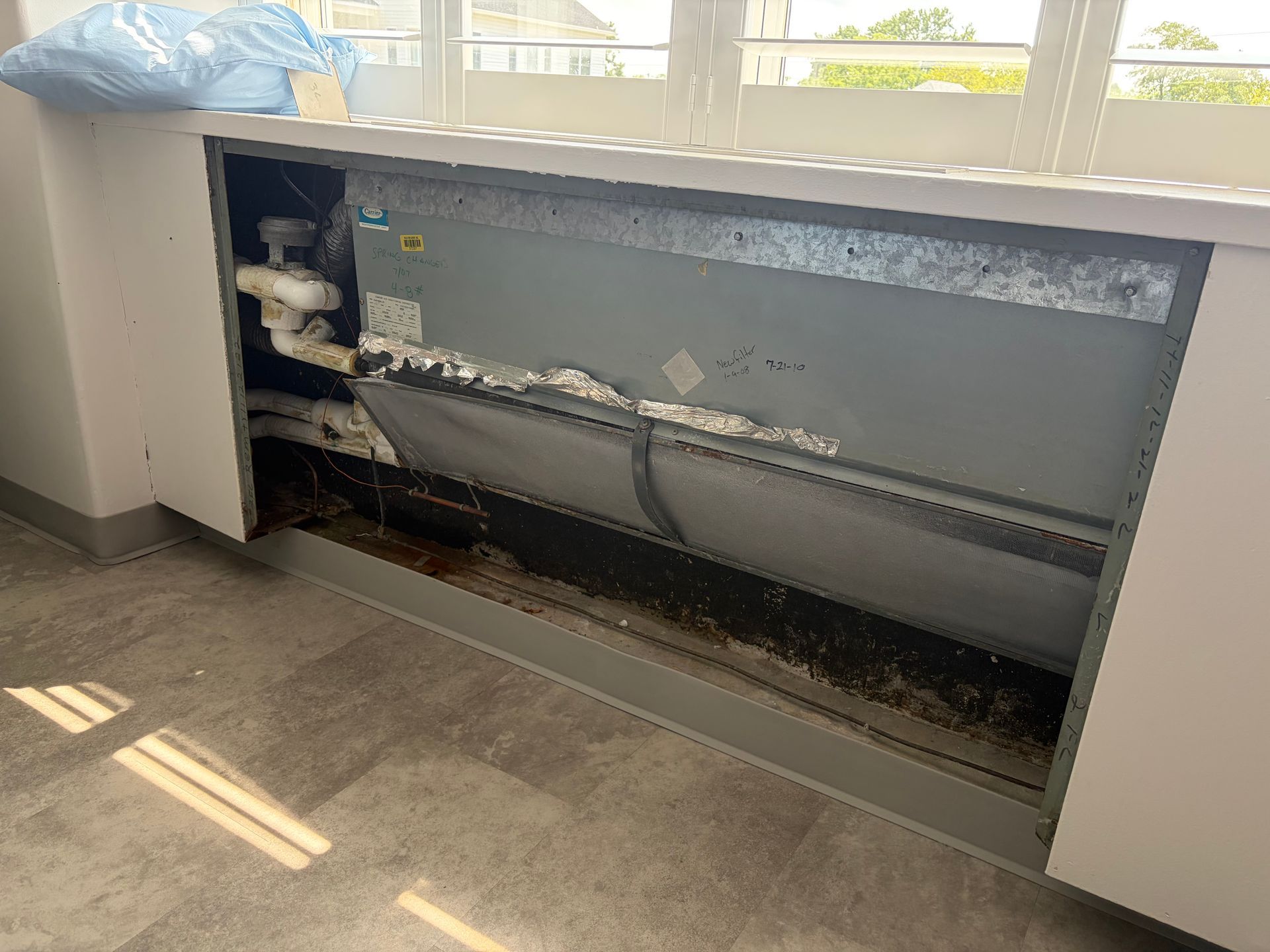
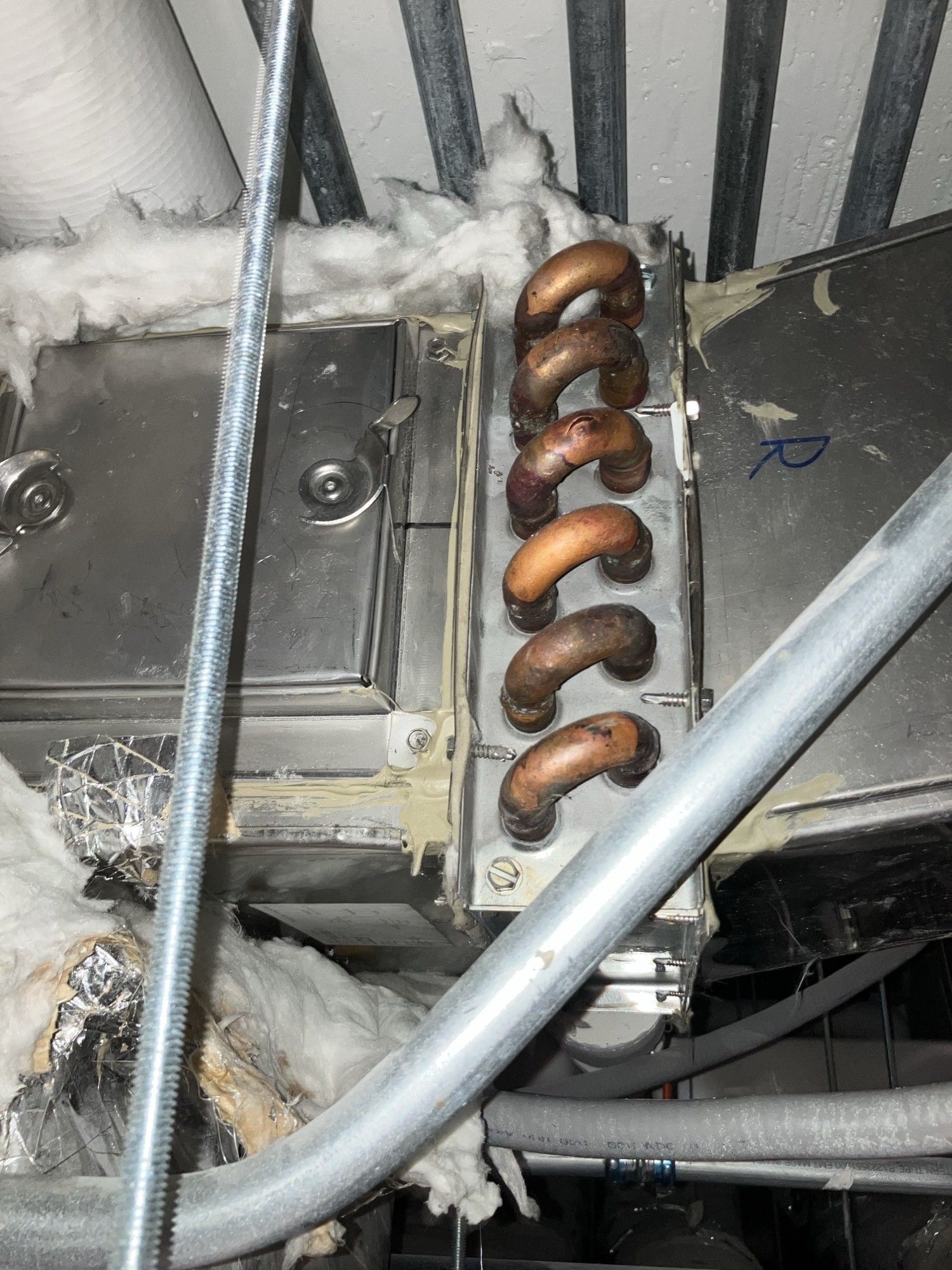
Commercial cooling coils, whether DX or chilled water-based, all have a drainage process that accounts for the condensation buildup on the coil. As more moisture forms on the coil's surface, gravity pulls the water downward into a drain pan located beneath the coil. After the water reaches the drain pan, it moves through the drain line until it is safely discharged at an approved point.


For facility managers, there are a few key issues to look out for within your own commercial HVAC system. One of the most common issues is clogged condensate drain lines, where dust and debris accumulate within the drainage system and restrict water flow. This becomes a catalyst for another issue, overflowing drain pans, which can cause water damage to nearby equipment and limit coil operation. The last issue to look out for is microbial growth within a clogged drain. When a drain is clogged or not operating at full capacity, this creates standing water that can grow microbes and impact the air quality that the coil is producing. Each of these issues can be prevented with simple routine maintenance checks that make sure that everything is working properly within condensate expulsion systems. 
At HeatEX Technologies, we want you to understand how condensate correlates with your cooling system so that we can provide you with a coil that fits your specific needs. Coil geometry, fin arrangement, and location all factor into the way your coil responds to condensation, which is something that we take into account when manufacturing your replacement coil. We make sure that each coil delivers the intended performance through careful consideration of every detail that impacts your project, including condensation. HeatEX Technologies doesn’t sidestep your project's needs and instead manufactures a replacement coil capable of elevating your entire system while adhering to the requirements. The next time your coil needs replacement, call HeatEX Technologies, and we will take care of you and your team.
By Colby Maun • October 5, 2026
From September 23 rd -25 th , ASHRAE held a building decarbonization conference in Seattle that moved decarbonization from simply a long-term goal to an implementation issue. One of the many things discussed was the topic of existing buildings and how to reduce carbon emissions in them through retrofits. Since decarbonization is now being stressed as an implementation issue, below is everything you need to know about what this could mean for the future of the commercial HVAC industry, as well as what you can do to reduce emissions in your own system.  Building decarbonization involves reducing greenhouse-gas emissions that are associated with building operations such as HVAC and other systems. This topic is not new to the industry and has been repeatedly discussed within previous ASHRAE conferences and new government regulations. A large aspect of decarbonization comes from building energy use, since lowering building energy use decreases the operational carbon emissions inherent in the building. Previously existing buildings account for the majority of the issue, since new buildings most likely already contain technology that helps to reduce building energy and strain on the system.
By Colby Maun • September 23, 2026
A recent survey done by ServiceTitan found that of 1,000 construction leaders, labor shortages and rising overhead costs are among the top profitability concerns for 2026. Additionally, an estimate by JLL cites that 2.1 million skilled-trade positions, including HVAC technicians, could go unfilled in the U.S. by 2030. The commercial HVAC industry has a looming challenge of a skilled labor shortage, which may change the way that commercial HVAC projects are planned, executed, and maintained in the future. Below is everything you need to know about the effect of this problem on the commercial HVAC industry, and some measures you can take to get ahead of the curve.
By Colby Maun • September 16, 2026
As temperatures begin to cool down this fall, an important part of facility management is making sure to winterize your commercial HVAC equipment. Winterization may be the most important aspect of preventative maintenance to make sure your coil maintains a long and efficient life, and failure to do so can result in costly damage. Winterization prevents freeze damage to the coil, which in turn prevents damage such as tube ruptures, damage to the headers, and leaks in the tubing of your coil. Below is how to winterize your coil, and other important aspects when it comes to winterization maintenance.
By Colby Maun • September 8, 2026
A coil schedule is a table included with mechanical drawings and specifications that summarizes the performance requirements and physical characteristics of the HVAC coils within the building. It comes with almost every type of coil and is an incredibly crucial piece within replacement projects. Understanding how to read it can drastically speed up your replacement process and reduce downtime in your next replacement project. Because of this importance, here is a comprehensive guide on how to read and understand a commercial HVAC coil schedule. One of the most important parts of a coil schedule is the coil identification section. It acts as the starting point for identifying the specifics of the coil you’re replacing in a replacement job. This section gives information on the coil tag, equipment tag, location of the coil, type, and designation. The coil tag, especially, is key because it often provides you with the model and serial number. Each of these parts is essential information to identify the coil, and when given this information, HeatEX Technologies can often provide you with a quote without having to come out and measure the coil. This saves a ton of time on both ends when getting you your replacement coil.
By Colby Maun • August 31, 2026
In a commercial HVAC coil replacement project, installation is a key factor that impacts both the performance and lifespan of the coil. A coil can be manufactured and selected perfectly for your replacement job, but if the installation is poor, your coil will experience lower performance and possibly a reduced lifespan. Because of this, making sure that installation goes as smoothly as possible is crucial for your system. To assist you with your next coil installation, here are some common commercial HVAC coil installation mistakes and how they affect your system in the long run. One of the most common mistakes that technicians can make in a coil replacement project is installing the coil in the wrong orientation. Coils are manufactured to operate in a particular orientation, and if they aren’t installed in that specific orientation, heat transfer efficiency and capacity are reduced. Installing a coil in the wrong orientation also affects airflow, since installing a coil in the wrong direction can force air in the wrong direction. Both of these complications negatively affect performance and lifespan in your system.
By Colby Maun • August 24, 2026
In a commercial HVAC custom coil replacement job, circuiting is often undervalued, yet so crucial to effective operation in any coil. But what really is circuiting, and how does it affect your coil? Here is a breakdown of everything you need to know about circuiting for your next replacement job.
By Colby Maun • August 17, 2026
Delays in a commercial HVAC coil replacement project are one of the most frustrating things that a facility manager or contractor can face. A failed coil already creates problems such as comfort issues, downtime, and pressure from building owners, so making sure that your coil replacement project goes smoothly and without delay is crucial. To assist you with your next coil replacement job, here are some common causes of commercial HVAC coil replacement project delays and how you can prevent them in your job.
By Colby Maun • August 11, 2026
Commercial chilled-water and hot-water HVAC coils appear almost identical on the outside; however, they are more different than most people think. Both are water-based heat transfer components, but they work opposite each other and are better for different applications. Here is a full breakdown of the differences between chilled water vs hot-water coils, and how to decide which to use for your application.
By Colby Maun • August 3, 2026
For buildings that require targeted zoning, such as hotels, offices, apartments, hospitals, retail spaces, and more, fan coils can assist in maintaining a comfortable indoor temperature. Each fan coil unit serves a particular space, which allows individual occupants to control their area of a building without affecting the rest of it. Understanding fan coils and how they work can help facility managers of these styles of buildings more properly maintain and replace units to prevent downtime in their systems. Here is a breakdown of how they work, the different types, and the common problems that they run into in their life cycle.
By Colby Maun • July 27, 2026
In commercial HVAC, one of the largest yet overlooked aspects of a custom coil replacement job is the materials that the coil is made of. Different materials thrive better in different systems and environments, which affects the lifespan and efficiency of the coil. Making sure that your replacement coil is best suited for your unique system and location is integral to any facility, and failure to do so can increase costs and decrease reliability. Here is a breakdown of each material in your coil and what scenarios to select each in.
By Colby Maun • July 20, 2026
For any coil or heat exchanger replacement job, one of the first steps in the process is for HeatEX Technologies to measure the existing coil/heat exchanger to ensure a perfect fit in the unit. Recently, I had the privilege of going out to my second job site to take measurements with HeatEX Technologies. Here is my account of what actually goes into measuring a coil, and my experience from start to finish.
July 13, 2026
After multiple refrigerant leaks sprang from a Trane CGAM070 air-cooled chiller in West Palm Beach, FL, our customer faced a difficult challenge. They had to decide whether to replace the failed microchannel condenser coils with new OEM microchannel coils or pivot and invest in a different, longer-term solution. After much evaluation, our customer decided to convert the chiller from aluminum microchannel coils to copper tube aluminum fin condenser coils.
More Posts