
Blog
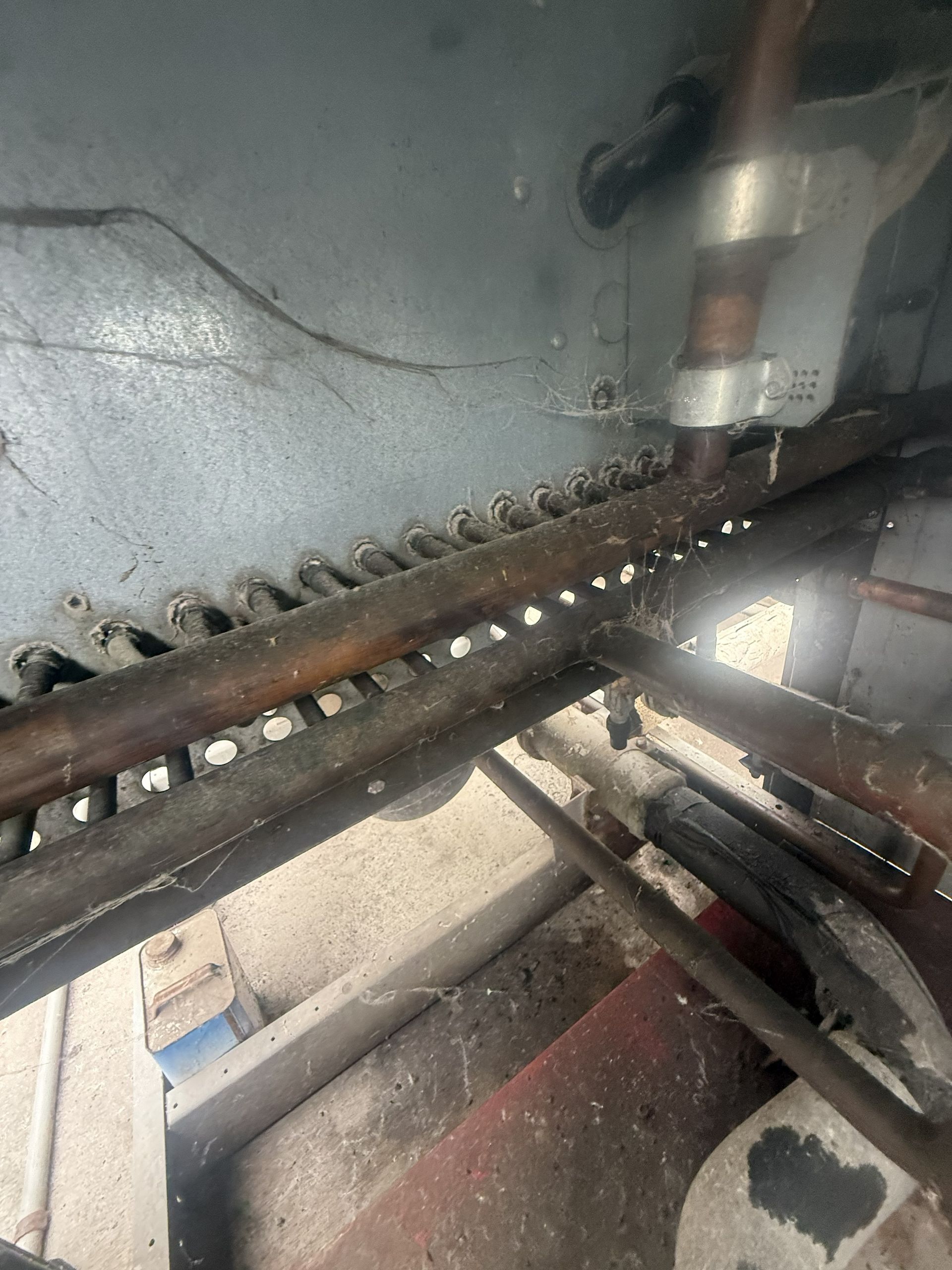
As temperatures begin to cool down this fall, an important part of facility management is making sure to winterize your commercial HVAC equipment. Winterization may be the most important aspect of preventative maintenance to make sure your coil maintains a long and efficient life, and failure to do so can result in costly damage. Winterization prevents freeze damage to the coil, which in turn prevents damage such as tube ruptures, damage to the headers, and leaks in the tubing of your coil. Below is how to winterize your coil, and other important aspects when it comes to winterization maintenance.
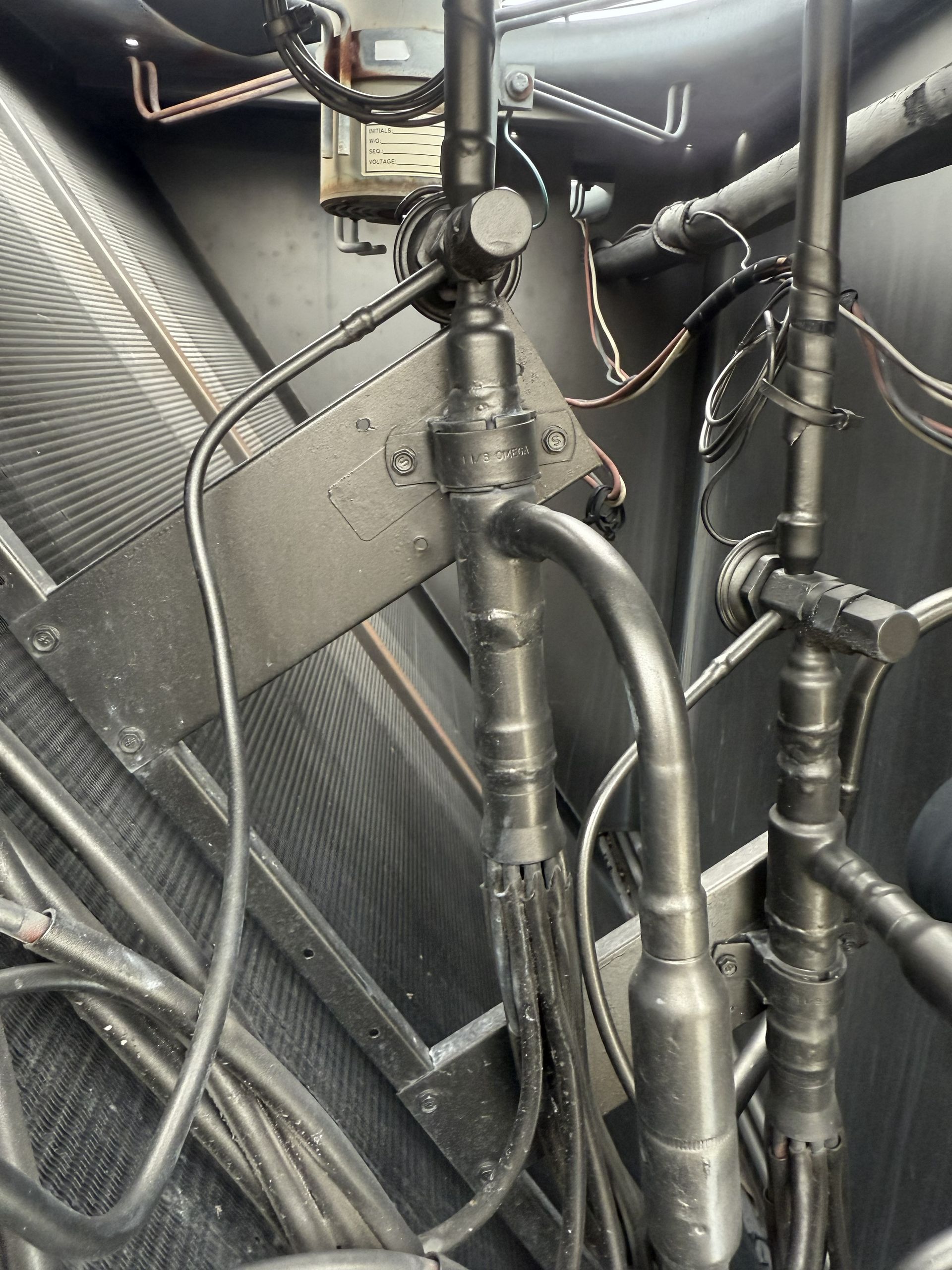
A coil schedule is a table included with mechanical drawings and specifications that summarizes the performance requirements and physical characteristics of the HVAC coils within the building. It comes with almost every type of coil and is an incredibly crucial piece within replacement projects. Understanding how to read it can drastically speed up your replacement process and reduce downtime in your next replacement project. Because of this importance, here is a comprehensive guide on how to read and understand a commercial HVAC coil schedule. One of the most important parts of a coil schedule is the coil identification section. It acts as the starting point for identifying the specifics of the coil you’re replacing in a replacement job. This section gives information on the coil tag, equipment tag, location of the coil, type, and designation. The coil tag, especially, is key because it often provides you with the model and serial number. Each of these parts is essential information to identify the coil, and when given this information, HeatEX Technologies can often provide you with a quote without having to come out and measure the coil. This saves a ton of time on both ends when getting you your replacement coil.
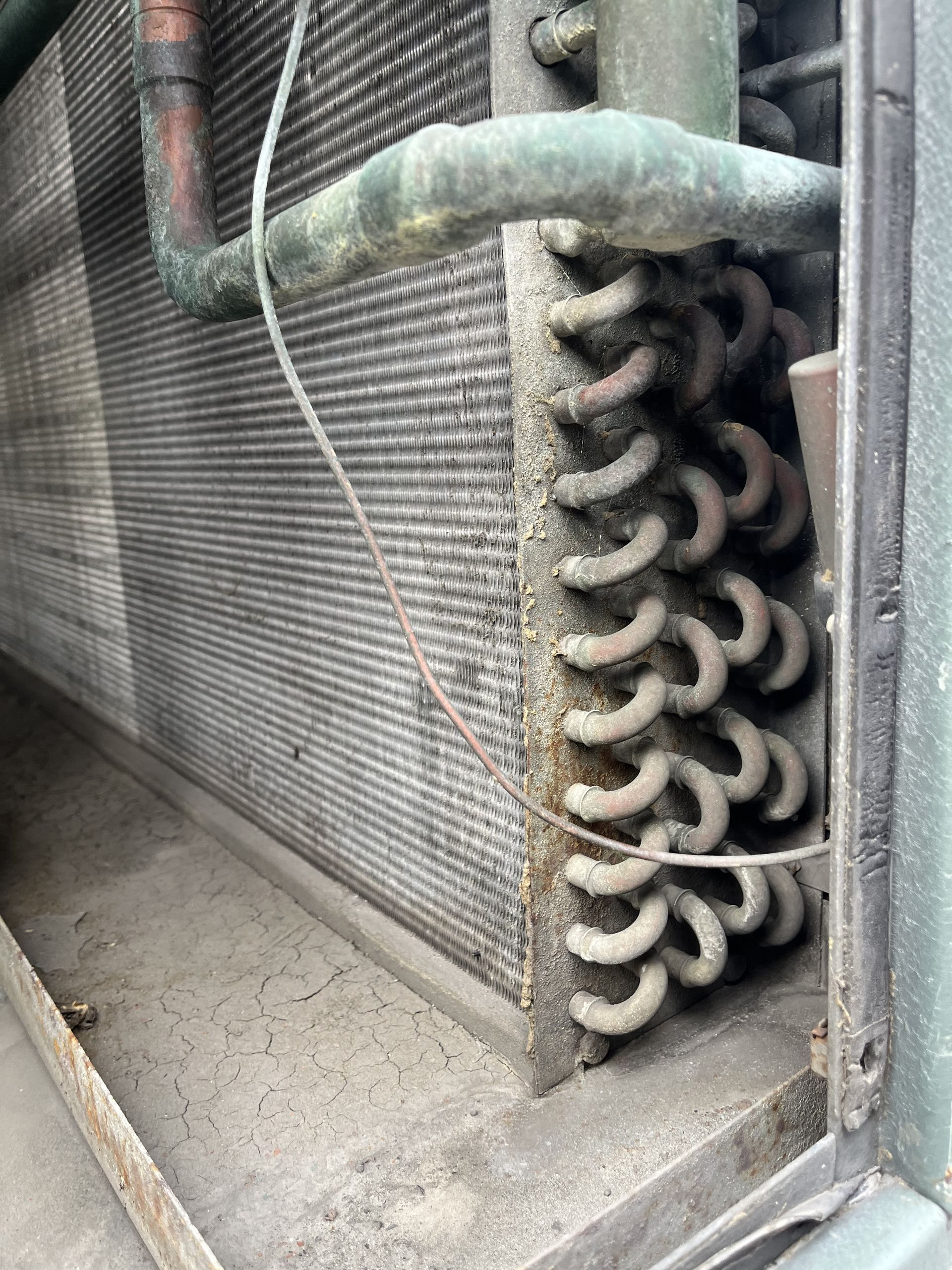
In a commercial HVAC coil replacement project, installation is a key factor that impacts both the performance and lifespan of the coil. A coil can be manufactured and selected perfectly for your replacement job, but if the installation is poor, your coil will experience lower performance and possibly a reduced lifespan. Because of this, making sure that installation goes as smoothly as possible is crucial for your system. To assist you with your next coil installation, here are some common commercial HVAC coil installation mistakes and how they affect your system in the long run. One of the most common mistakes that technicians can make in a coil replacement project is installing the coil in the wrong orientation. Coils are manufactured to operate in a particular orientation, and if they aren’t installed in that specific orientation, heat transfer efficiency and capacity are reduced. Installing a coil in the wrong orientation also affects airflow, since installing a coil in the wrong direction can force air in the wrong direction. Both of these complications negatively affect performance and lifespan in your system.
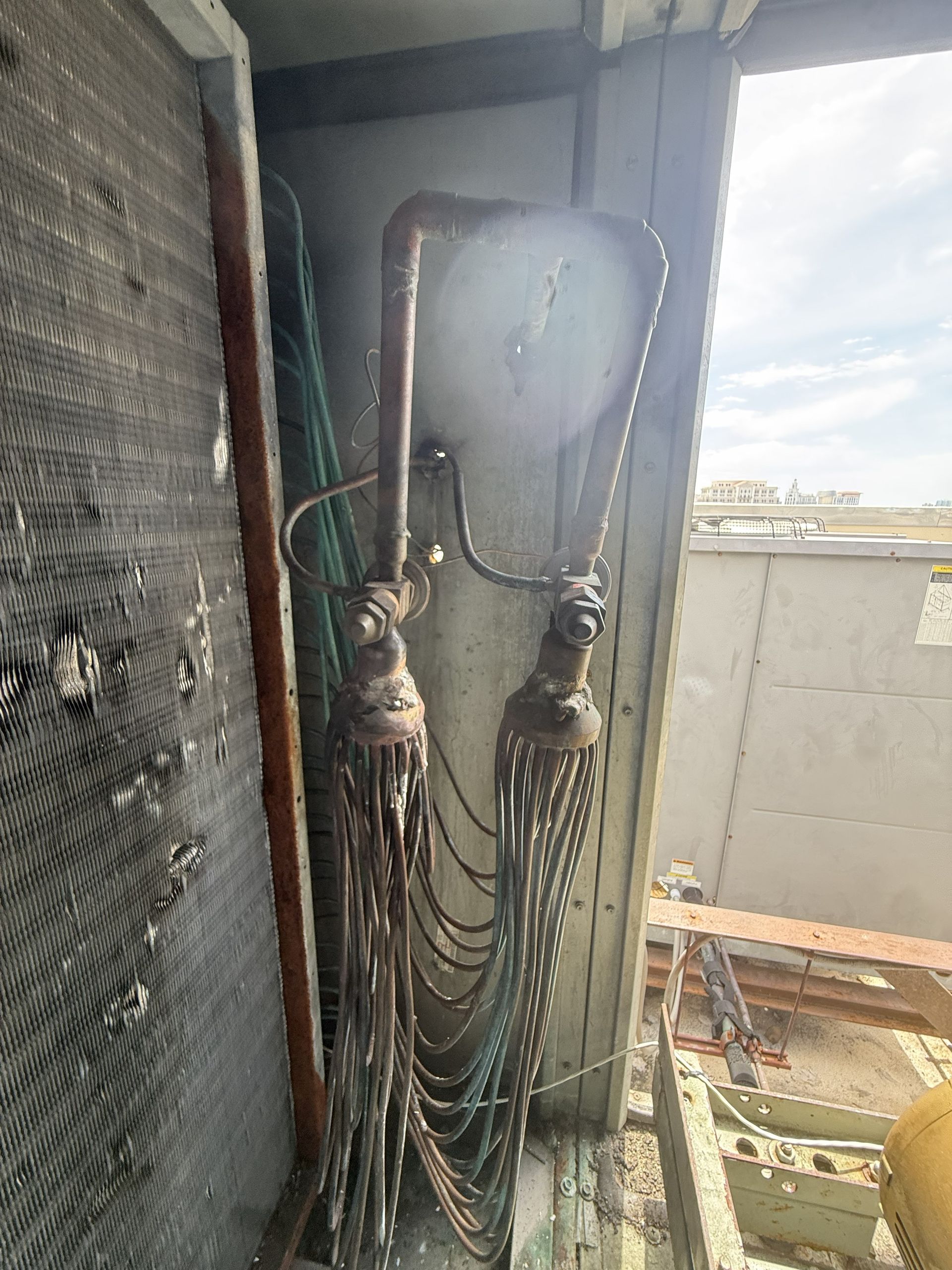
In a commercial HVAC custom coil replacement job, circuiting is often undervalued, yet so crucial to effective operation in any coil. But what really is circuiting, and how does it affect your coil? Here is a breakdown of everything you need to know about circuiting for your next replacement job.

Delays in a commercial HVAC coil replacement project are one of the most frustrating things that a facility manager or contractor can face. A failed coil already creates problems such as comfort issues, downtime, and pressure from building owners, so making sure that your coil replacement project goes smoothly and without delay is crucial. To assist you with your next coil replacement job, here are some common causes of commercial HVAC coil replacement project delays and how you can prevent them in your job.
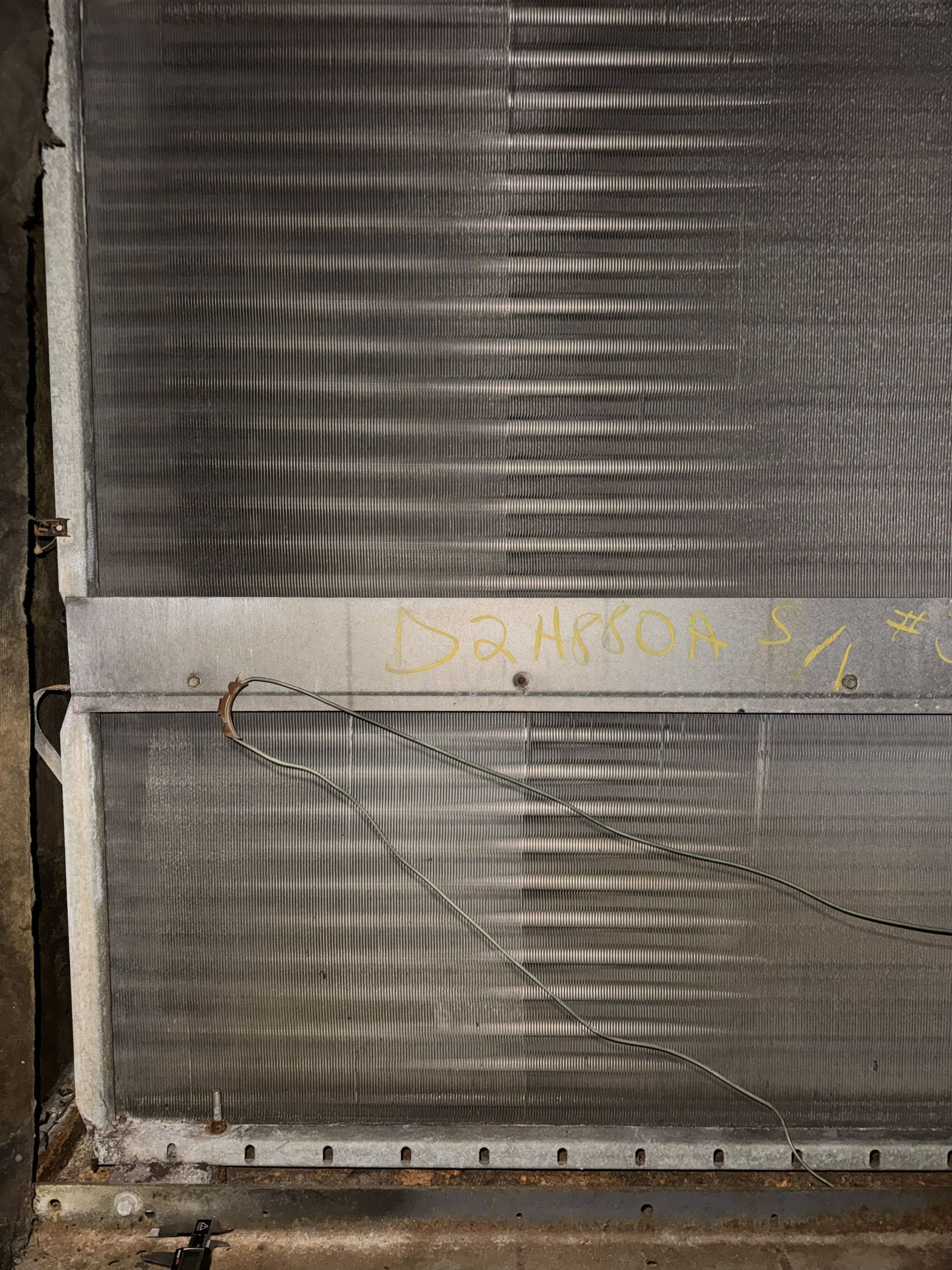
Commercial chilled-water and hot-water HVAC coils appear almost identical on the outside; however, they are more different than most people think. Both are water-based heat transfer components, but they work opposite each other and are better for different applications. Here is a full breakdown of the differences between chilled water vs hot-water coils, and how to decide which to use for your application.
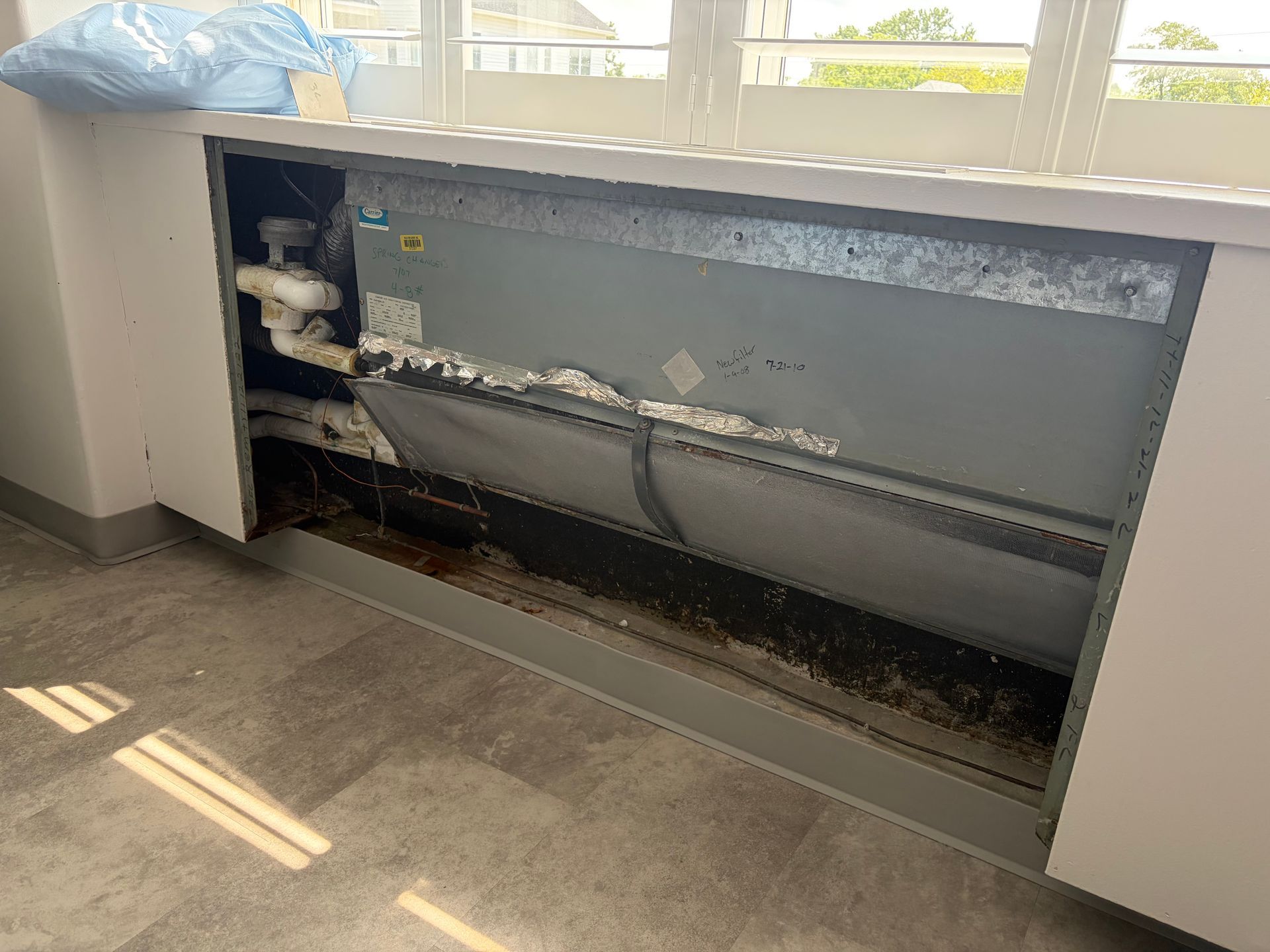
For buildings that require targeted zoning, such as hotels, offices, apartments, hospitals, retail spaces, and more, fan coils can assist in maintaining a comfortable indoor temperature. Each fan coil unit serves a particular space, which allows individual occupants to control their area of a building without affecting the rest of it. Understanding fan coils and how they work can help facility managers of these styles of buildings more properly maintain and replace units to prevent downtime in their systems. Here is a breakdown of how they work, the different types, and the common problems that they run into in their life cycle.
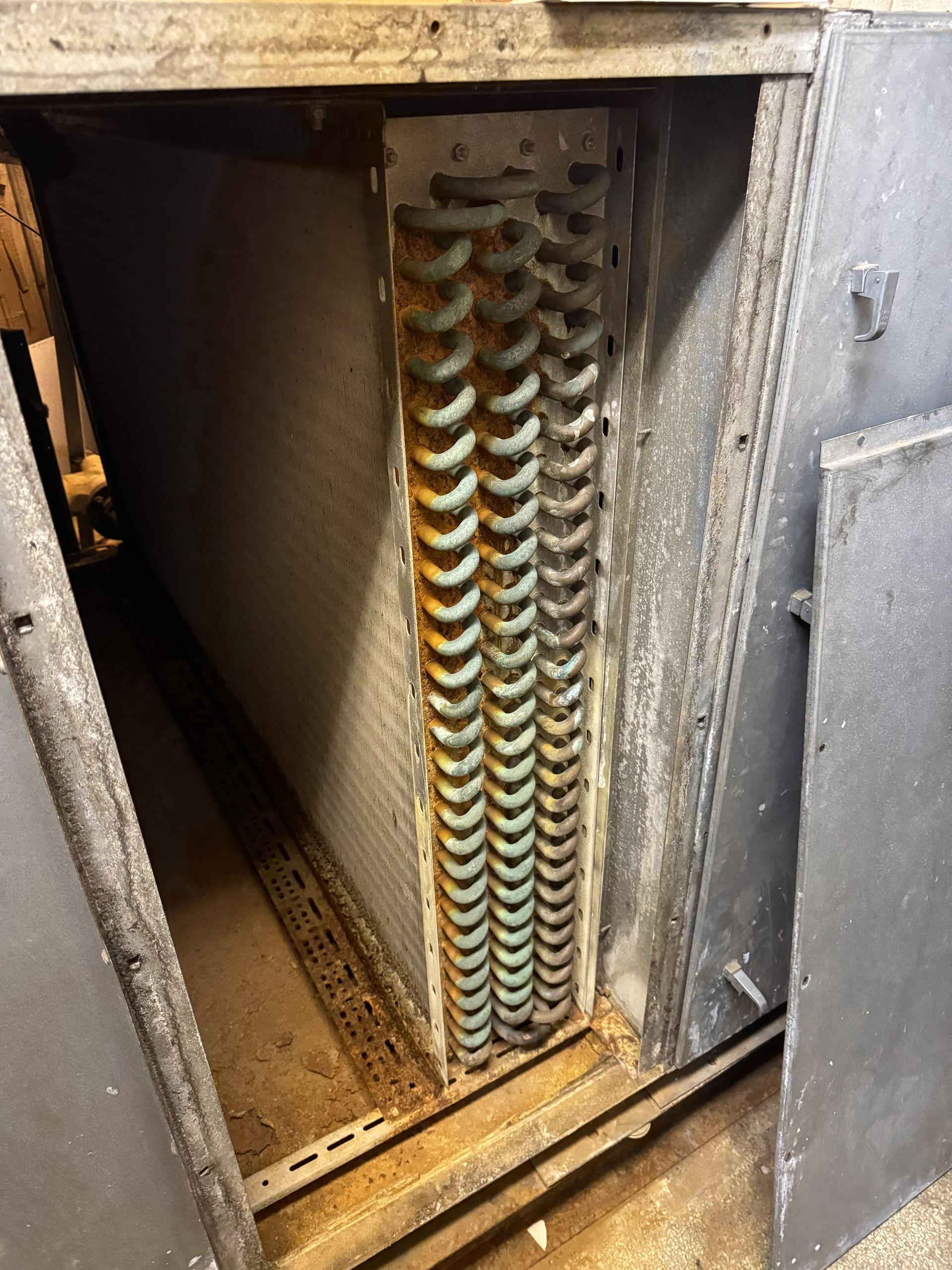
In commercial HVAC, one of the largest yet overlooked aspects of a custom coil replacement job is the materials that the coil is made of. Different materials thrive better in different systems and environments, which affects the lifespan and efficiency of the coil. Making sure that your replacement coil is best suited for your unique system and location is integral to any facility, and failure to do so can increase costs and decrease reliability. Here is a breakdown of each material in your coil and what scenarios to select each in.
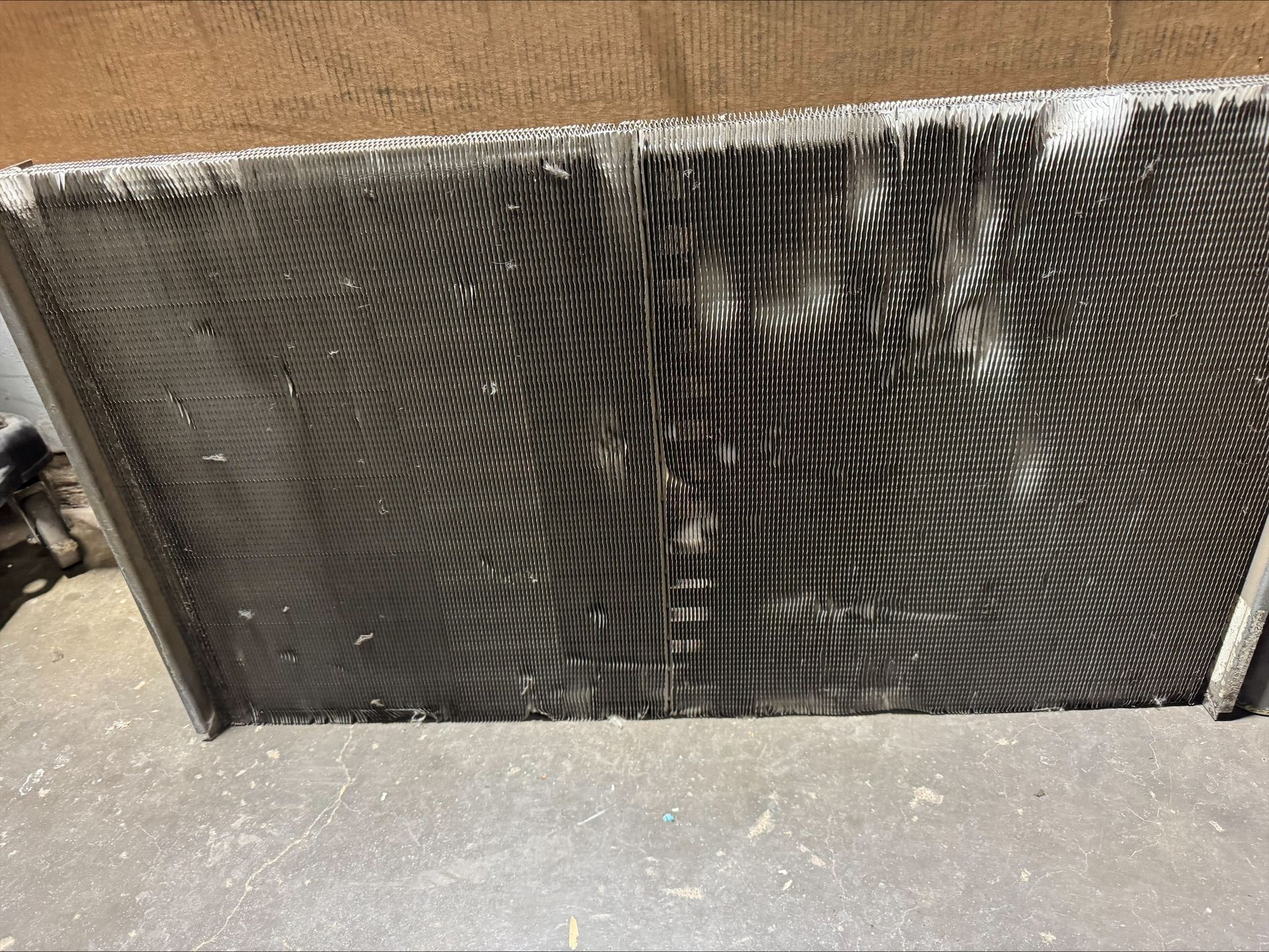
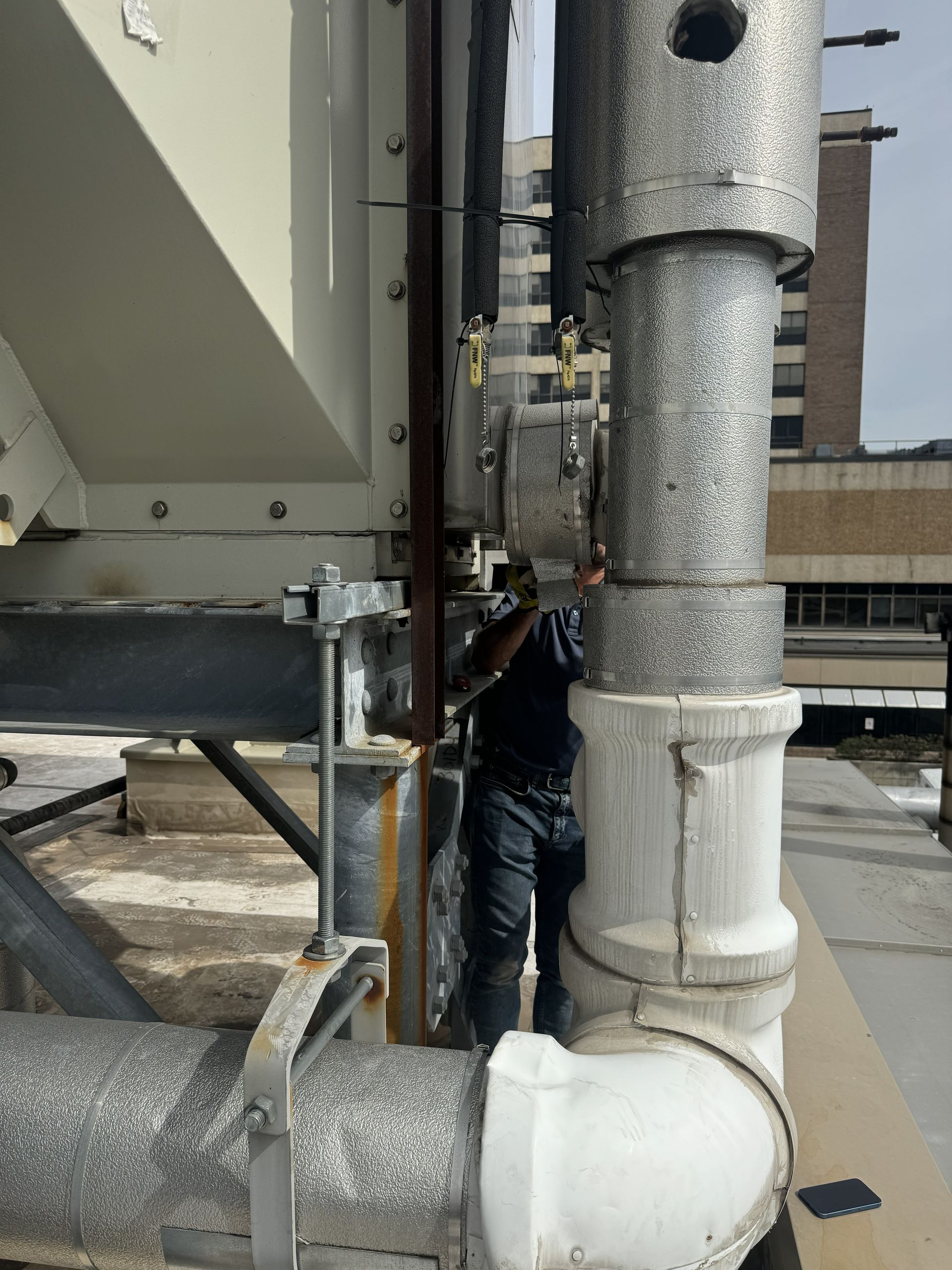
For any coil or heat exchanger replacement job, one of the first steps in the process is for HeatEX Technologies to measure the existing coil/heat exchanger to ensure a perfect fit in the unit. Recently, I had the privilege of going out to my second job site to take measurements with HeatEX Technologies. Here is my account of what actually goes into measuring a coil, and my experience from start to finish.

After multiple refrigerant leaks sprang from a Trane CGAM070 air-cooled chiller in West Palm Beach, FL, our customer faced a difficult challenge. They had to decide whether to replace the failed microchannel condenser coils with new OEM microchannel coils or pivot and invest in a different, longer-term solution. After much evaluation, our customer decided to convert the chiller from aluminum microchannel coils to copper tube aluminum fin condenser coils.
Last week, from June 27 th to July 1 st , ASHRAE held its 2026 Annual Conference in Austin, TX, and brought together more than 2,233 HVAC professionals from all over the world. The conference covered a broad range of many topics prevalent in the industry today, from fundamentals and applications to AI in building design and construction. Here are some of the biggest takeaways from the 2026 ASHRAE Annual Conference for commercial HVAC.

In a commercial HVAC unit, coil failure is one of the most frequent and costly problems a system can have. Coil failure in a commercial HVAC unit leads to performance, efficiency, and reliability issues, making it one of the most important aspects in the system. Coils can fail for many different reasons, and understanding when a coil is starting to need replacement can save facility managers tons of extra downtime and stress. Here are 5 warning signs that your commercial HVAC coil needs replacement, so that the next time your coil fails, you can be on top of the problem.