5 Warning Signs Your Coil Needs Replacement

Colby Maun • June 29, 2026

In a commercial HVAC unit, coil failure is one of the most frequent and costly problems a system can have. Coil failure in a commercial HVAC unit leads to performance, efficiency, and reliability issues, making it one of the most important aspects in the system. Coils can fail for many different reasons, and understanding when a coil is starting to need replacement can save facility managers tons of extra downtime and stress. Here are 5 warning signs that your commercial HVAC coil needs replacement, so that the next time your coil fails, you can be on top of the problem. 
1. Declining Heating/Cooling Performance

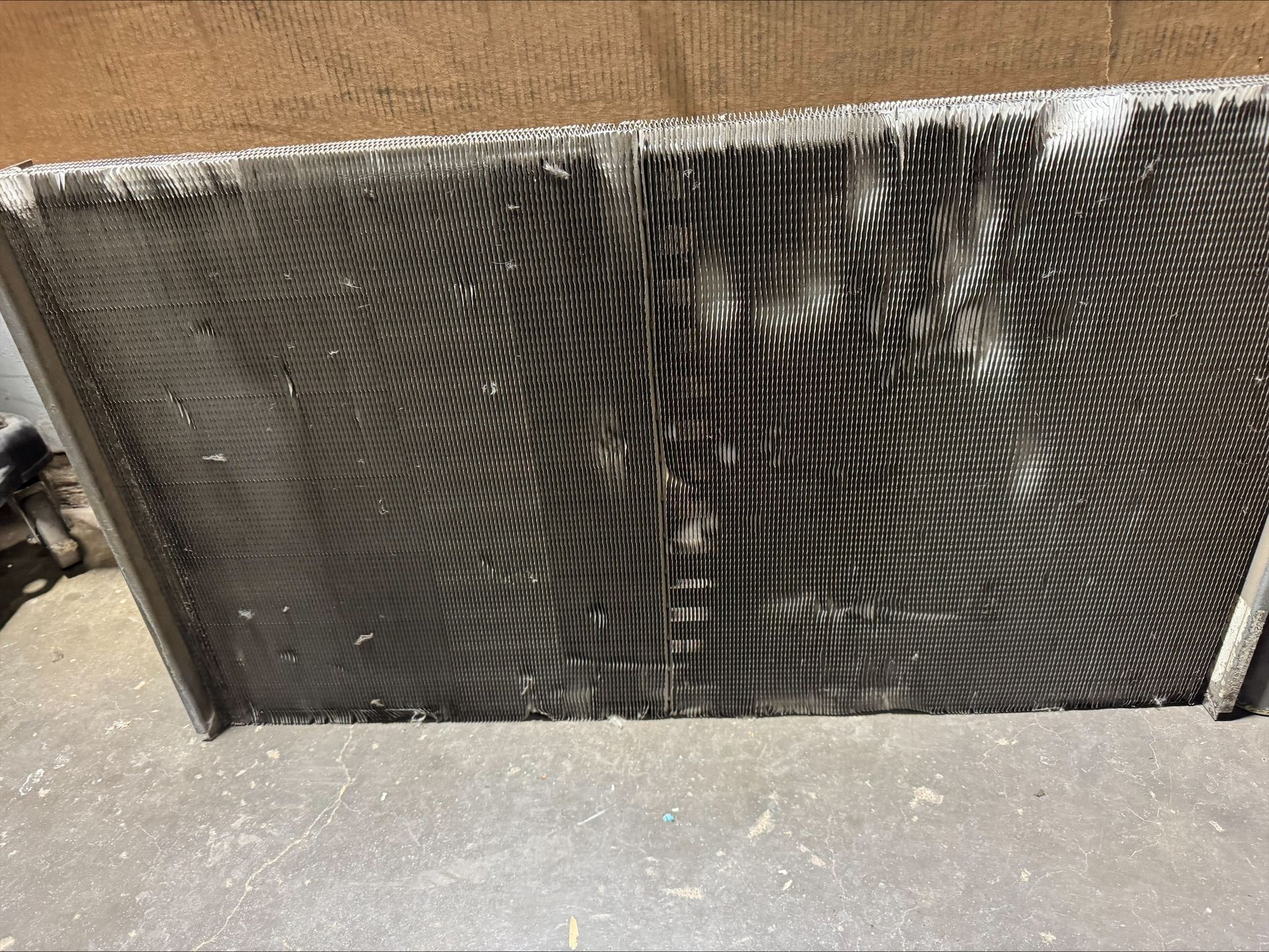
One of the earliest signs of coil failure is a drop in performance. When a coil fails, the HVAC system must work harder to reach setpoints. A system that is struggling to reach its setpoints runs longer cycles than normal, which declines performance for the unit. Facility managers may also notice hot and cold spots throughout the building or occupants complaining about uncomfortable temperatures. This issue can point to fin oxidation, bent fins, contamination, or corrosion that reduces the coils’ ability to transfer heat to the refrigerant. This increases operation costs for HVAC units and puts unnecessary extra wear on other aspects of the unit. 

2. Visible Corrosion or Physical Damage

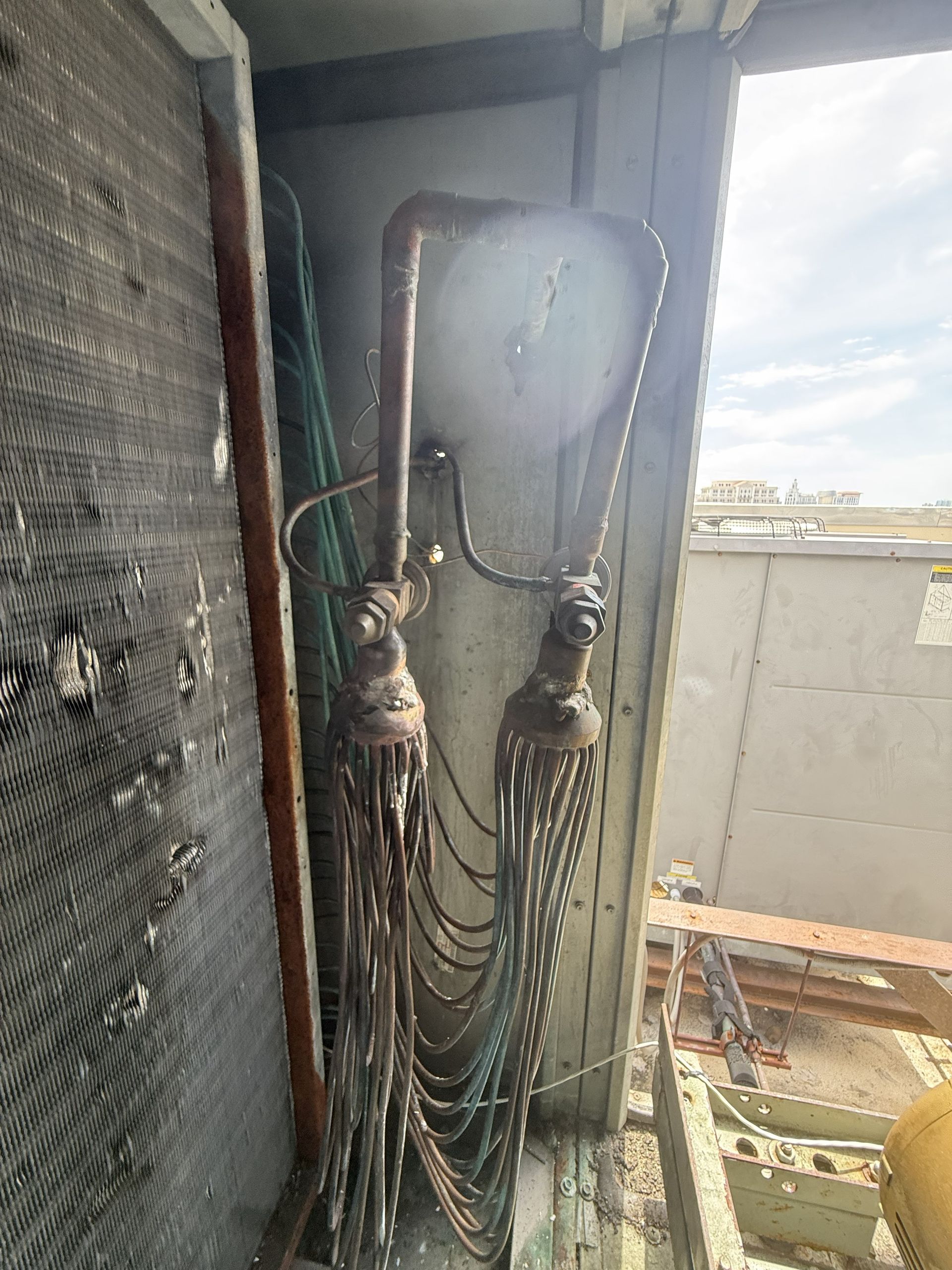
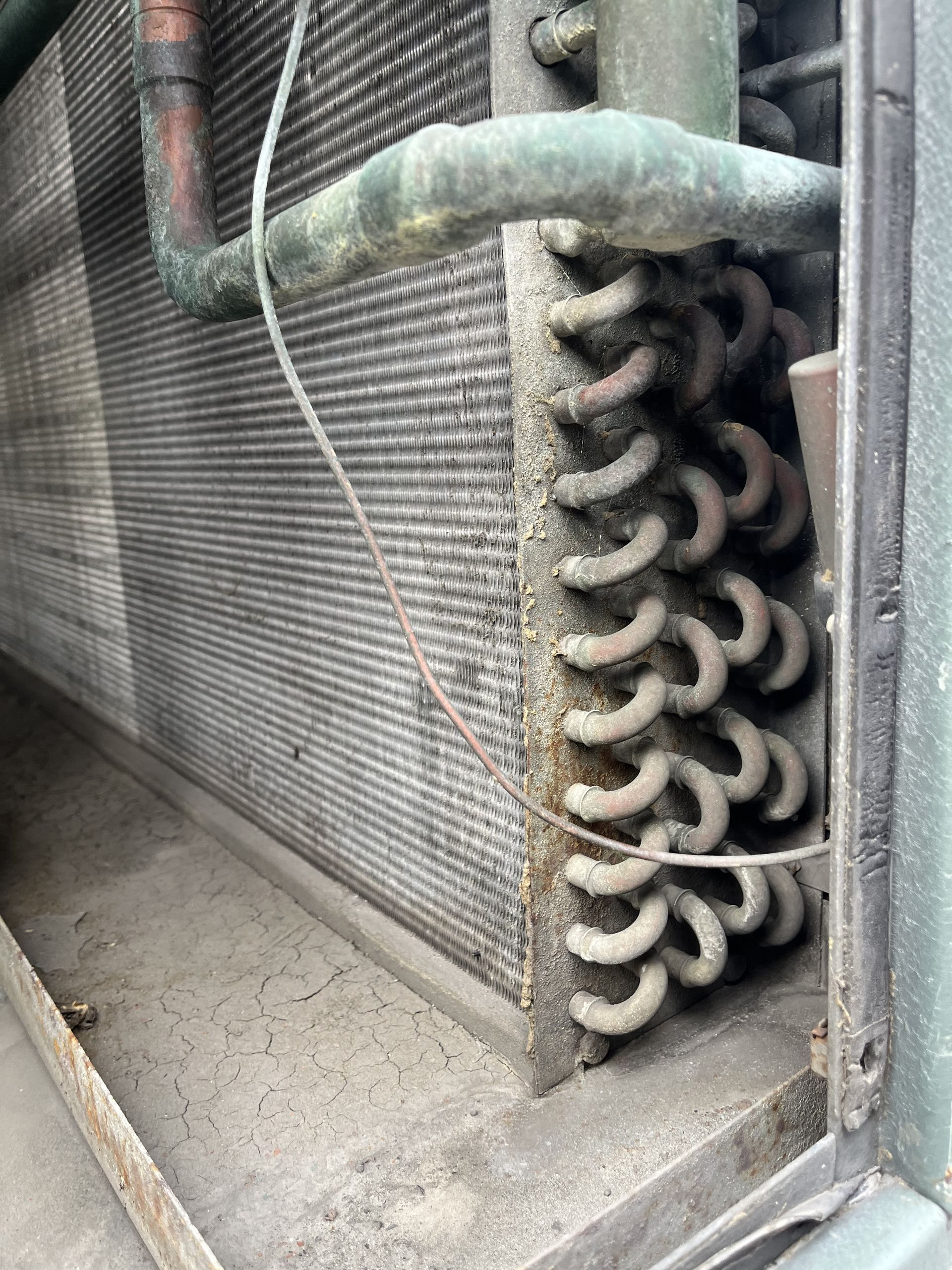
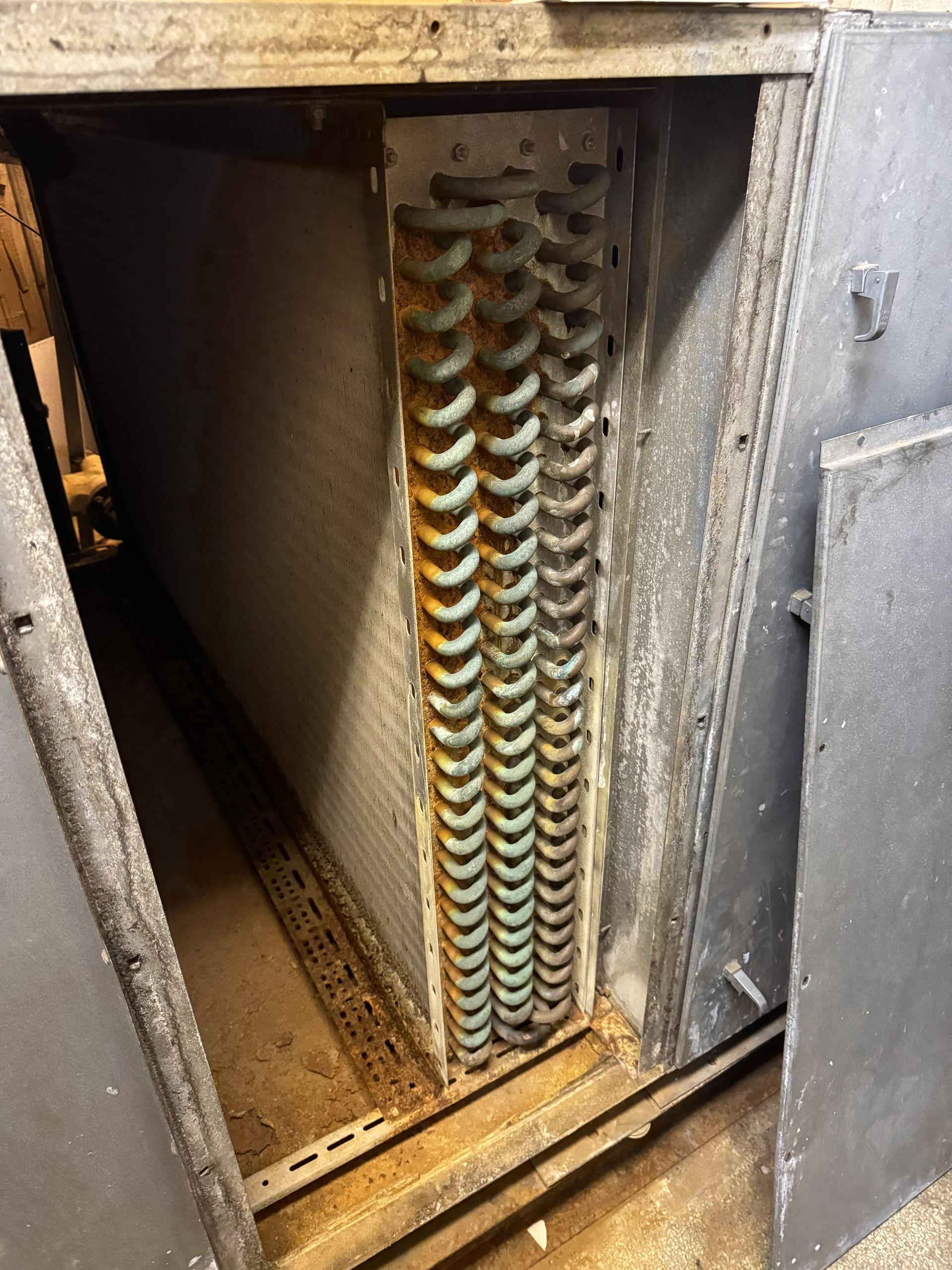
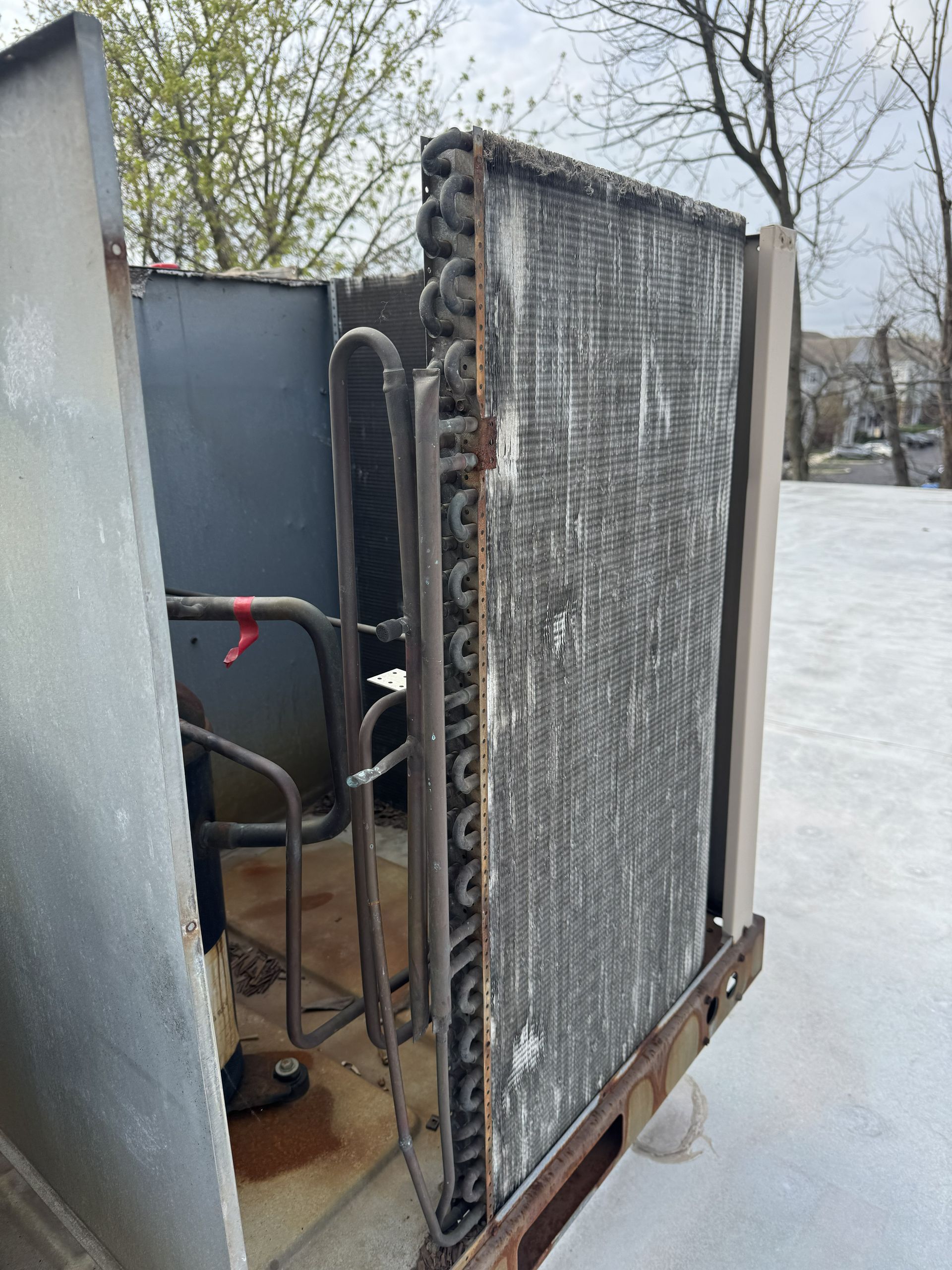
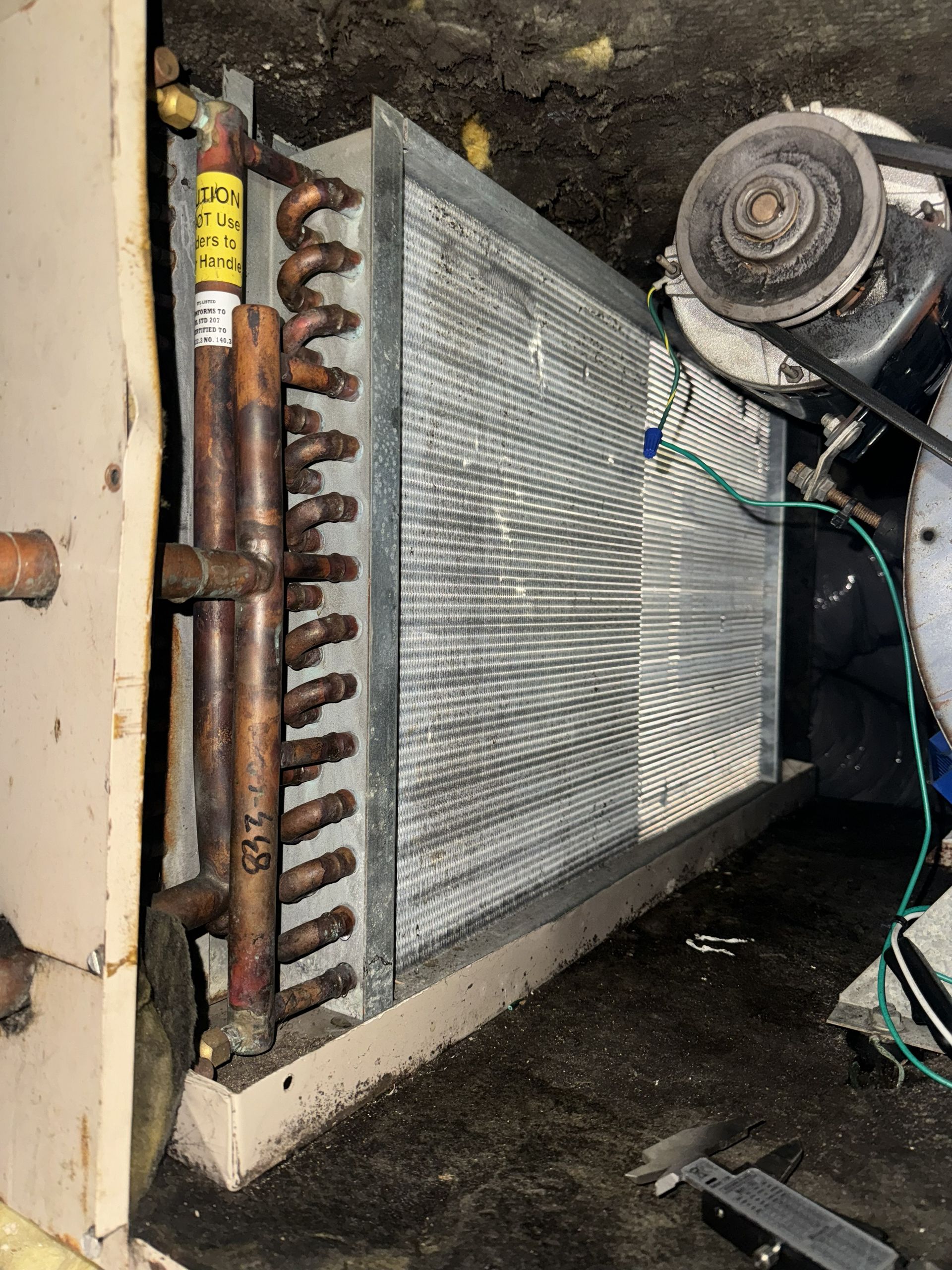
Visible corrosion or physical damage to your coil is one of the clearest signals that there needs to be a replacement. The earlier facility managers identify corrosion or damage to their coil, the more time they have until the entire unit fails. Corrosion is most common in coastal environments, where the salt concentration in the air degrades coils more quickly. However, this can happen outside of coastal environments as well, due to airborne contaminants. When this happens, you’ll notice green or rusty corrosion deposits, surface discoloration, and damaged tubes. As soon as you notice corrosion or damage to your coil, you need to start planning a replacement job.

3. Rising Energy COnsumption

When a coil isn’t absorbing heat as efficiently as it should be, the compressor in the unit works harder to compensate. As coils become less efficient, they require more energy to hit setpoints and performance metrics. Facility managers will notice increasing energy costs, increased fan operation, and reduced building efficiency scores when this warning sign appears in your unit. This can make units much more expensive, and often a coil replacement is the cheaper option in the long run.

4. Increasing FRequency of Repairs

Over the lifespan of a commercial HVAC coil, material breaks down and reliability decreases. If your coil is experiencing a higher frequency of service calls, that is a sign that you need to replace the coil. If the same symptoms keep recurring, that indicates that the coil has almost completed its service life. There comes a point when replacing the coil entirely is more cost-efficient and effective for the system than repairing it over and over and over again. 

5. Frequent Refrigerant Leaks

Refrigerant leaks come from corrosion, vibration, or pinholes from chemical exposure. While a single leak can be repaired, if your unit is having recurring leaks, that indicates deterioration of the coil, and signals that it may be time to replace it. Facility managers may notice a loss of cooling capacity, oil residue around the coil tubing, and repeated refrigerant charging when this problem occurs. Repeated leaks also signal tube wall breakdown. When frequent refrigerant leaks occur, coil replacement eventually becomes the better option in terms of cost efficiency.

Most commercial HVAC coils last around 10-20 years, with lifespan differing based on the specific type of coil in your unit. When your coil starts to send one of these warning signs, call HeatEX Technologies, and we will take care of your problem. At HeatEX Technologies, we provide custom coils for replacement jobs, with excellent service and speedy lead times. We help save facility managers time and stress during coil failures. Explore our website for more information on how we can assist with your next coil replacement job. 
Works Cited


Signs It's Time for an Evaporator Coil Replacement. CS Coil Products, Inc., https://www.cscoil.com/evaporator-coil-replacement-signs/. Accessed 29 June 2026.


What Is an Evaporator Coil and How Does It Work? HVAC.com, https://www.hvac.com/expert-advice/what-is-an-evaporator-coil/. Accessed 29 June 2026.


Replacement Coil Applications. Emergent Coils, https://emergentcoils.com/pages/replacement-coil-application. Accessed 29 June 2026.
By Colby Maun June 22, 2026
What exactly makes a custom coil custom? Most facility managers assume that a custom coil only differs from OEM in sizing. The reality is that dimensions are only a fraction of what makes a custom coil custom. Each job is different, with many different factors going into a custom coil, such as dimensions, tube configuration, fin design, materials, and performance requirements. The most commonly thought of aspect when it comes to custom coils is the dimensions. This includes height, width, and depth of the coil, which allows for custom replacement coils to fit perfectly into the system they are designed for. Doing this without major modifications is crucial when manufacturing a custom replacement coil. The tube configuration of the coil also plays a very important role in customization. The circuitry, number of rows, and tube diameter all impact this aspect and contribute to the efficiency and heat transfer of a custom coil.
By Colby Maun June 18, 2026
As a building gets older, it becomes much more likely to experience several different types of HVAC failure, which results in decreased efficiency and reliability in the system. Considering the fact that most commercial buildings in the US were built between 1970 and 2000, this aging infrastructure is becoming increasingly problematic in the world of HVAC. To increase difficulty, many organizations postponed renovation and retrofit projects during COVID and during times of economic uncertainty and inflation. Those decisions extended HVAC equipment beyond its initial design life in many cases, and now that it is finally time to renovate, there are significant challenges to doing so in those buildings. With today’s rising equipment costs, aging building stock, high energy costs, sustainability pressures, and limited budgets, many facility managers are burdened with attempting to keep their equipment running smoothly. As HVAC systems age, they experience coil degradation, efficiency losses, corrosion, and increased failures and downtime in general. Coils are usually one of the first parts to deteriorate, as they are exposed to plenty of different weathering aspects in the air, such as salt, moisture, and pollutants, to name a few. When a coil deteriorates, it reduces system capacity as a whole. Efficiency losses in older units are common as well, since with time, the unit has to work harder and harder to remain operating at the same capacity as it was when it was new. Reliability decreases for units due to increased unexpected failures and downtime, along with it becoming harder to source parts for repairs as technology advances and changes.
June 11, 2026
Location: Hotel – Fort Lauderdale, Florida  Overview: A 6-year-old York YCAV air-cooled chiller serving a hotel experienced premature condenser coil failure. Out of 10 total coils, 4 had already failed (40%), with the remaining coils showing active corrosion. The unit operates continuously, making reliability critical for guest comfort
June 8, 2026
New refrigerant requirements from EPA mandates aimed at reducing greenhouse gas emissions are shaking up the HVAC industry. These requirements are causing a shift from R-410A refrigerant to A2L refrigerants R-454B and R-32. A2L refrigerants are low in toxicity and flammability. The shift is based around a metric called GWP, standing for Global Warming Potential, which measures how much heat a gas traps in the atmosphere compared to carbon dioxide. R-410A has a GWP of around 2,088, which means that 1 pound of R-410A released into the atmosphere has the same warming effect of 2,088 pounds of CO2.
June 5, 2026
Increasing demand for AI, high performance computing, along with hyperscale data center expansion are creating a massive new market for HVAC. The shift is in cooling, as data center cooling is moving beyond incremental airflow optimization, and towards liquid cooling in order to support AI and its specific cooling needs. Because of this, the data center liquid cooling market is projected to expand from 6.6 billion dollars to 38.4 billion dollars by 2033. North America is the current hotspot for this investment as it hosts the largest concentration of AI training clusters globally. Historically, data centers have relied on air-based systems for their cooling, which includes CRAHs, chilled water systems, and precision cooling equipment. Because AI servers are now generating higher heat loads than previously (Modern AI racks can exceed 100 kW per rack compared to the traditional 5-15 kW loads of the past), facilities need heavier duty cooling, sparking the transition to liquid cooling solutions. This transition to liquid cooling is not removing HVAC systems and instead restructures their role within AI facilities. Removing building heat, maintaining environmental conditions, and supporting chilled water distribution systems are all issues that HVAC remains a critical solution to. As a result of this, specialized coils, such as the ones HeatEX produces are growing in demand along with cooling towers, heat exchangers, and other thermal regulation components necessary for dealing with high heat rejection requirements. This trend to support AI with Liquid cooling brings new challenges with infrastructure and compatibility for projects, as operators prioritize power usage effectiveness reduction and carbon footprint optimization. Ensuring coolant compatibility with diverse server architectures, leak prevention, and aligning cooling with rapidly advancing cycles are a few of these challenges. Operators are looking for companies that can specialize towards their plants and customize them to their need.
By Matt Lane June 2, 2026
Renaissance Hotel @ Ft. Lauderdale
May 19, 2026
At HeatEX we leverage proprietary technology as well as industry-wide technology to ensure we get the job right the first time.
By HeatEX Technologies May 7, 2026
Split coils offer tremendous benefits and versatility when dealing with complex replacement scenarios.
By Matt Lane April 29, 2026
HeatEX is a proud member of the Mechanical Contractors Association of Eastern PA. We had an amazing time at the most recent event in Norristown PA
By HeatEX Technologies April 23, 2026
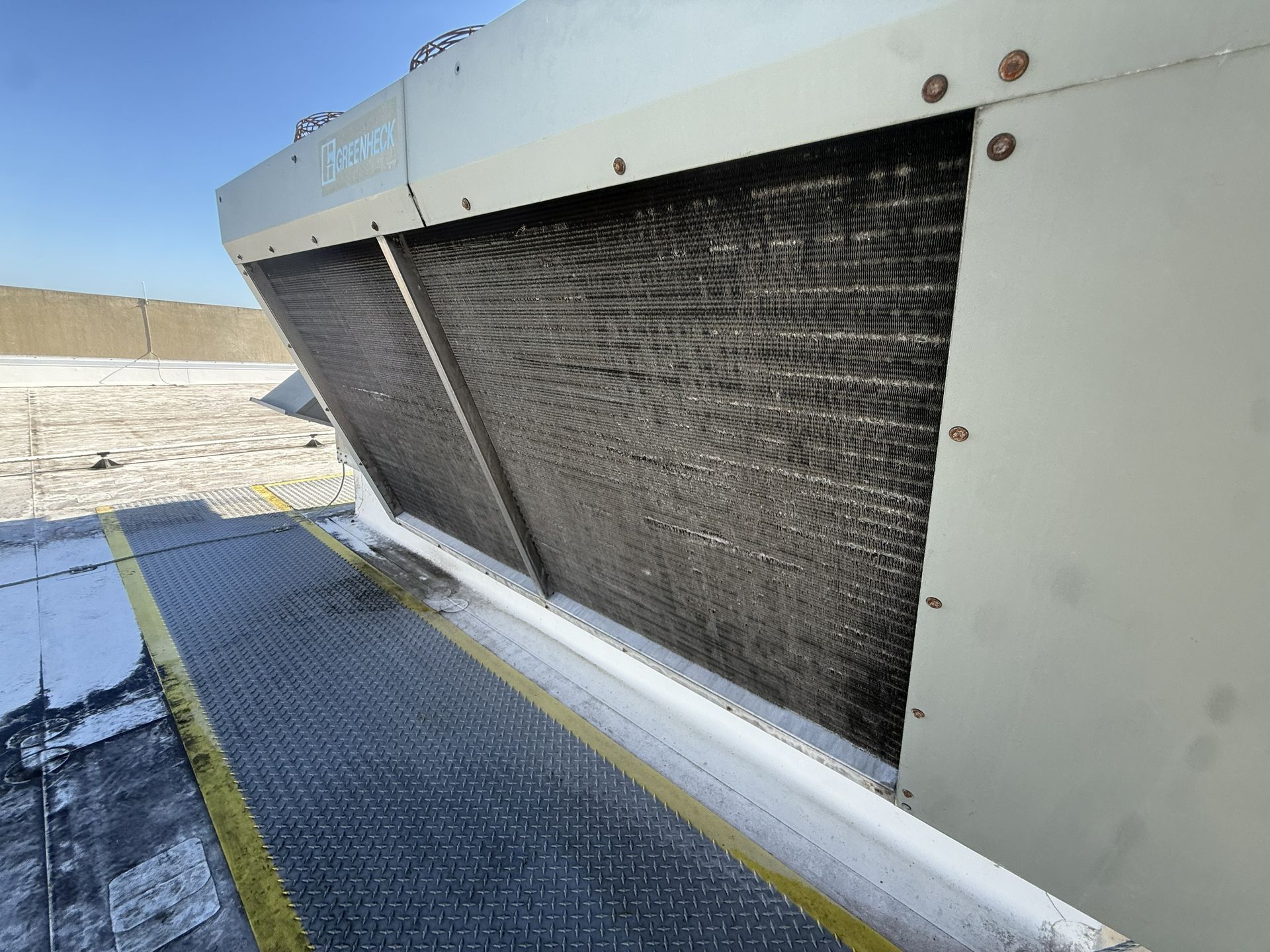
HeatEX manufactures a direct coil replacement for a Greenheck Fresh Air Unit, restoring unit performance, reducing downtime, and saving client money.