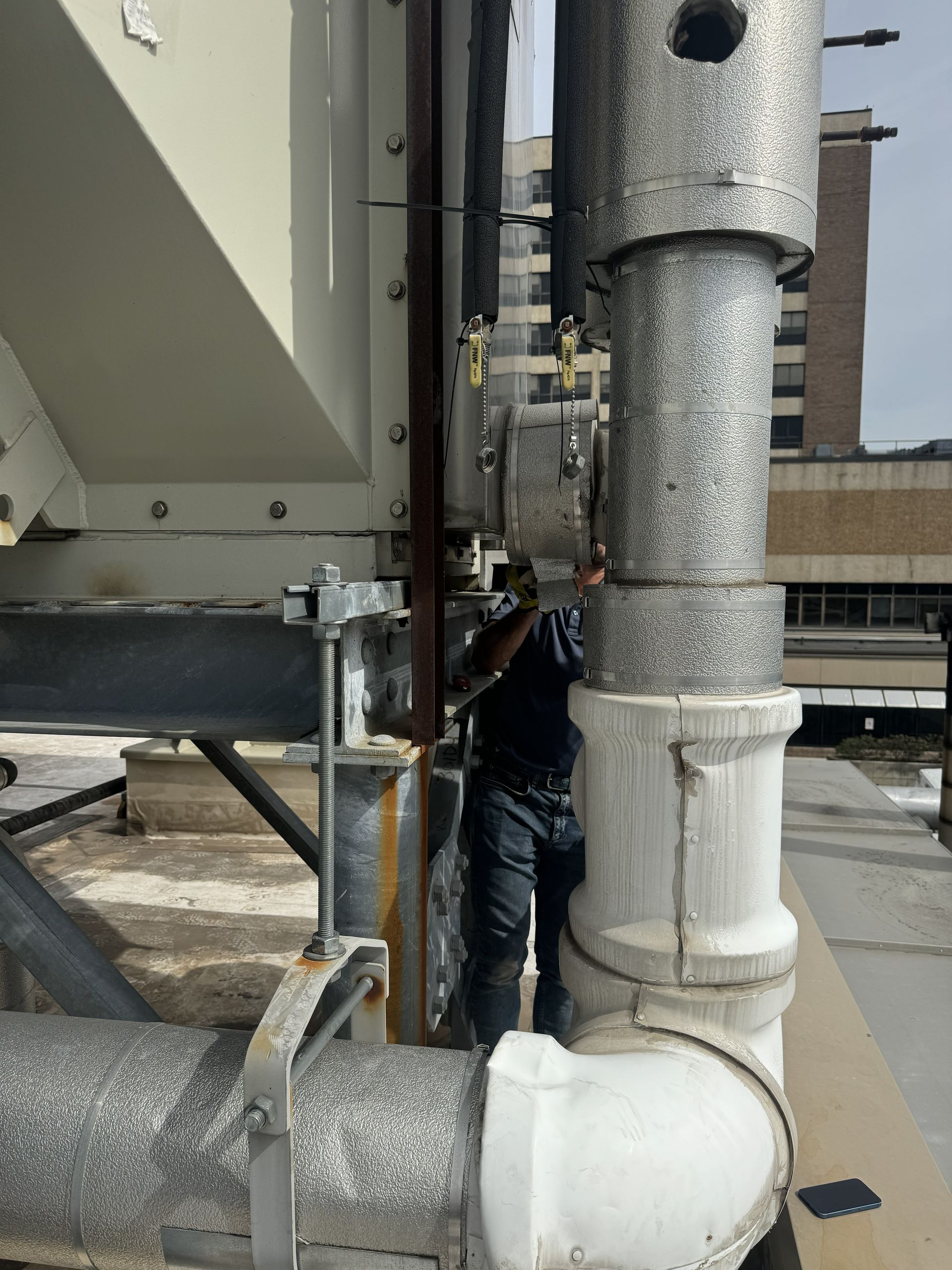
How Aging Infrastructure is Challenging Commercial Buildings
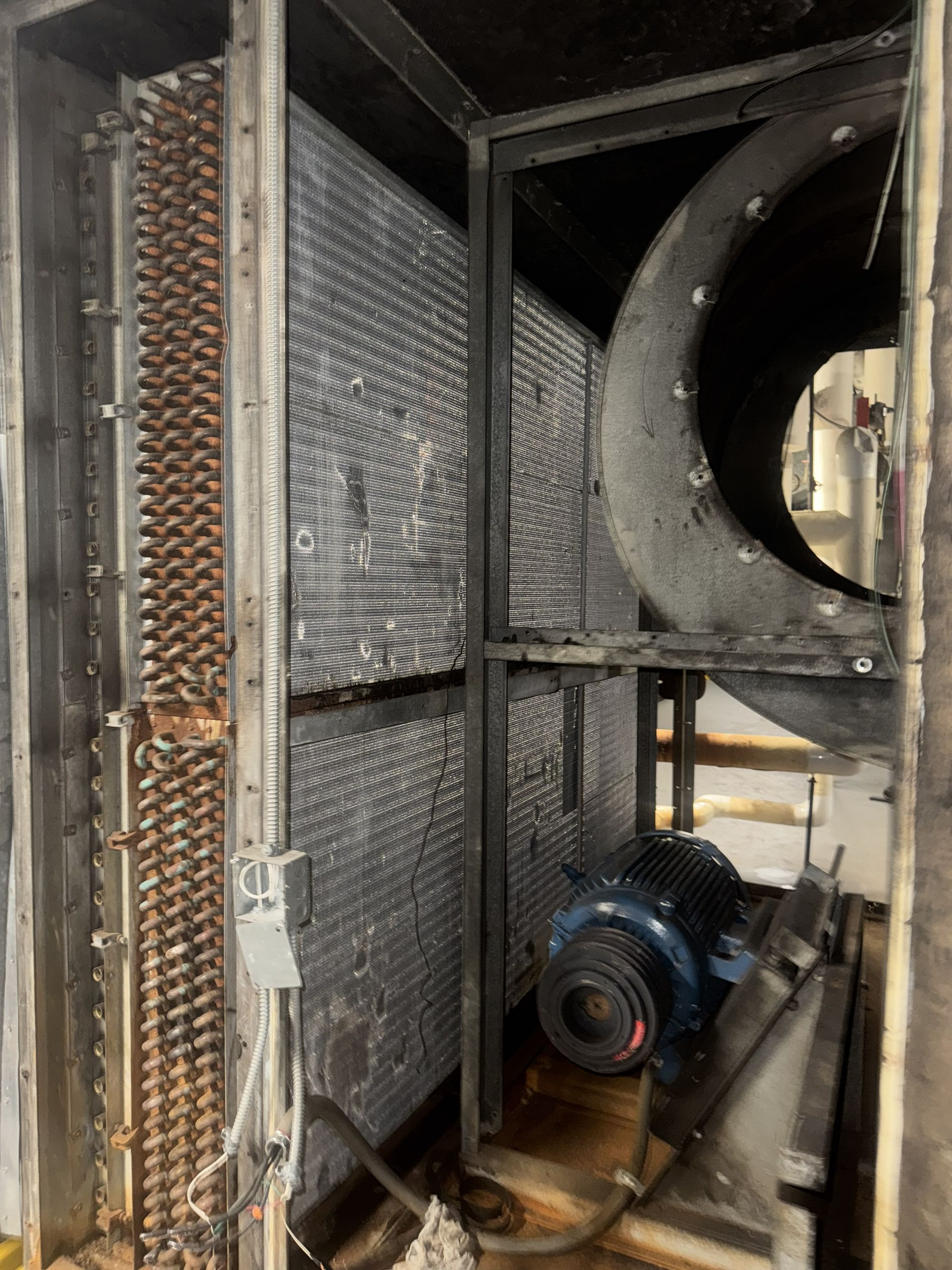
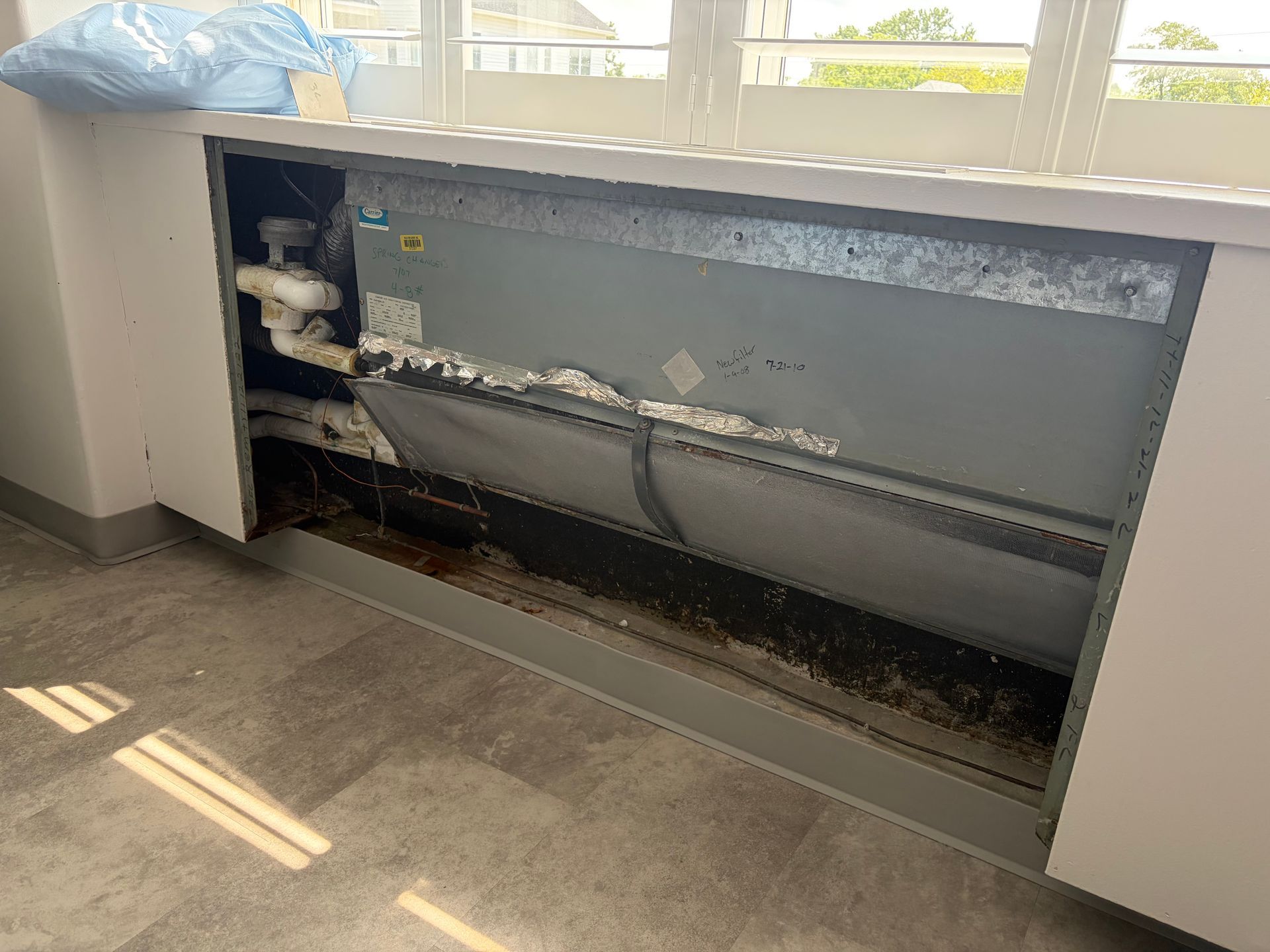
As a building gets older, it becomes much more likely to experience several different types of HVAC failure, which results in decreased efficiency and reliability in the system. Considering the fact that most commercial buildings in the US were built between 1970 and 2000, this aging infrastructure is becoming increasingly problematic in the world of HVAC.
To increase difficulty, many organizations postponed renovation and retrofit projects during COVID and during times of economic uncertainty and inflation. Those decisions extended HVAC equipment beyond its initial design life in many cases, and now that it is finally time to renovate, there are significant challenges to doing so in those buildings. With today’s rising equipment costs, aging building stock, high energy costs, sustainability pressures, and limited budgets, many facility managers are burdened with attempting to keep their equipment running smoothly.
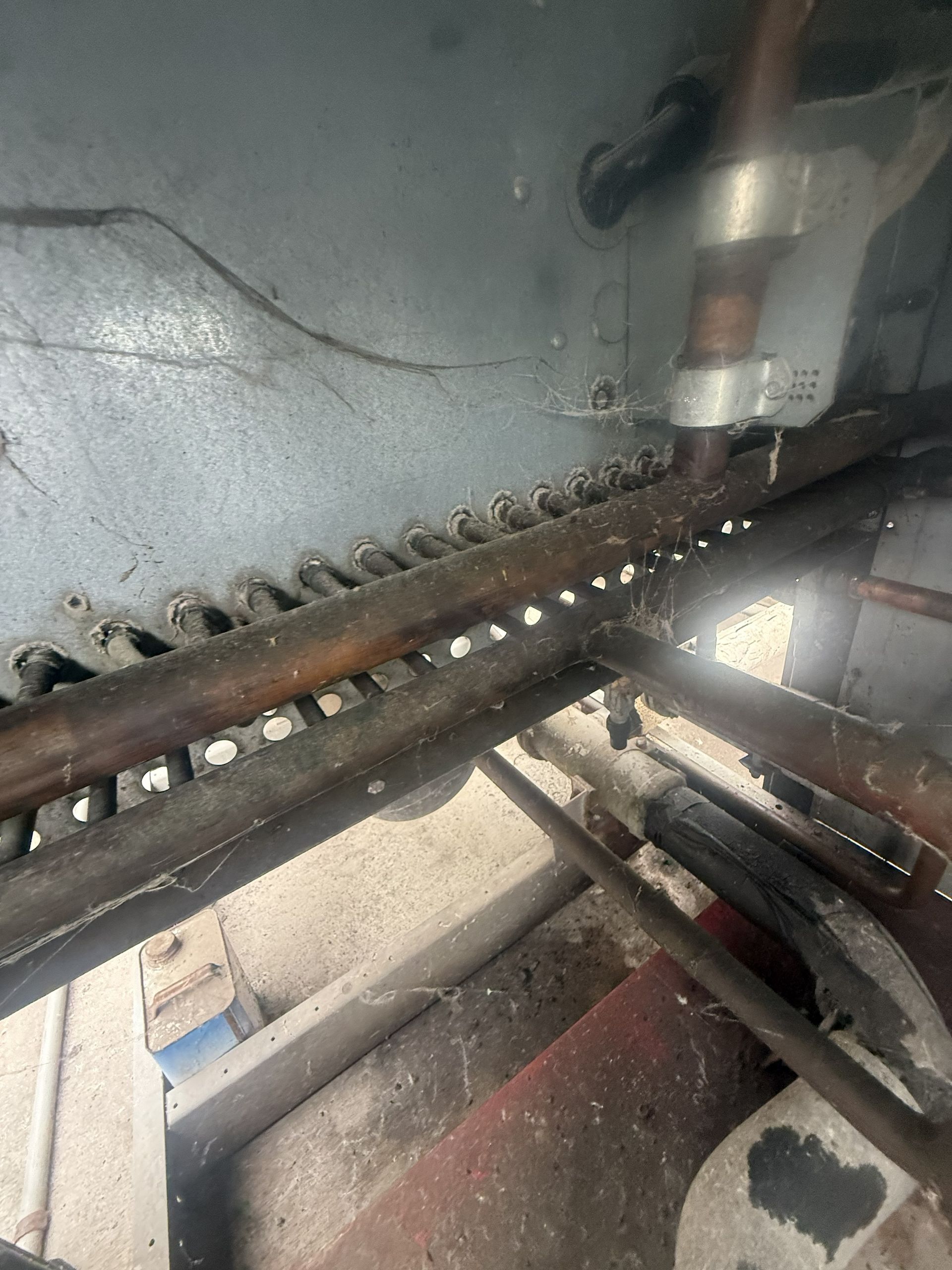
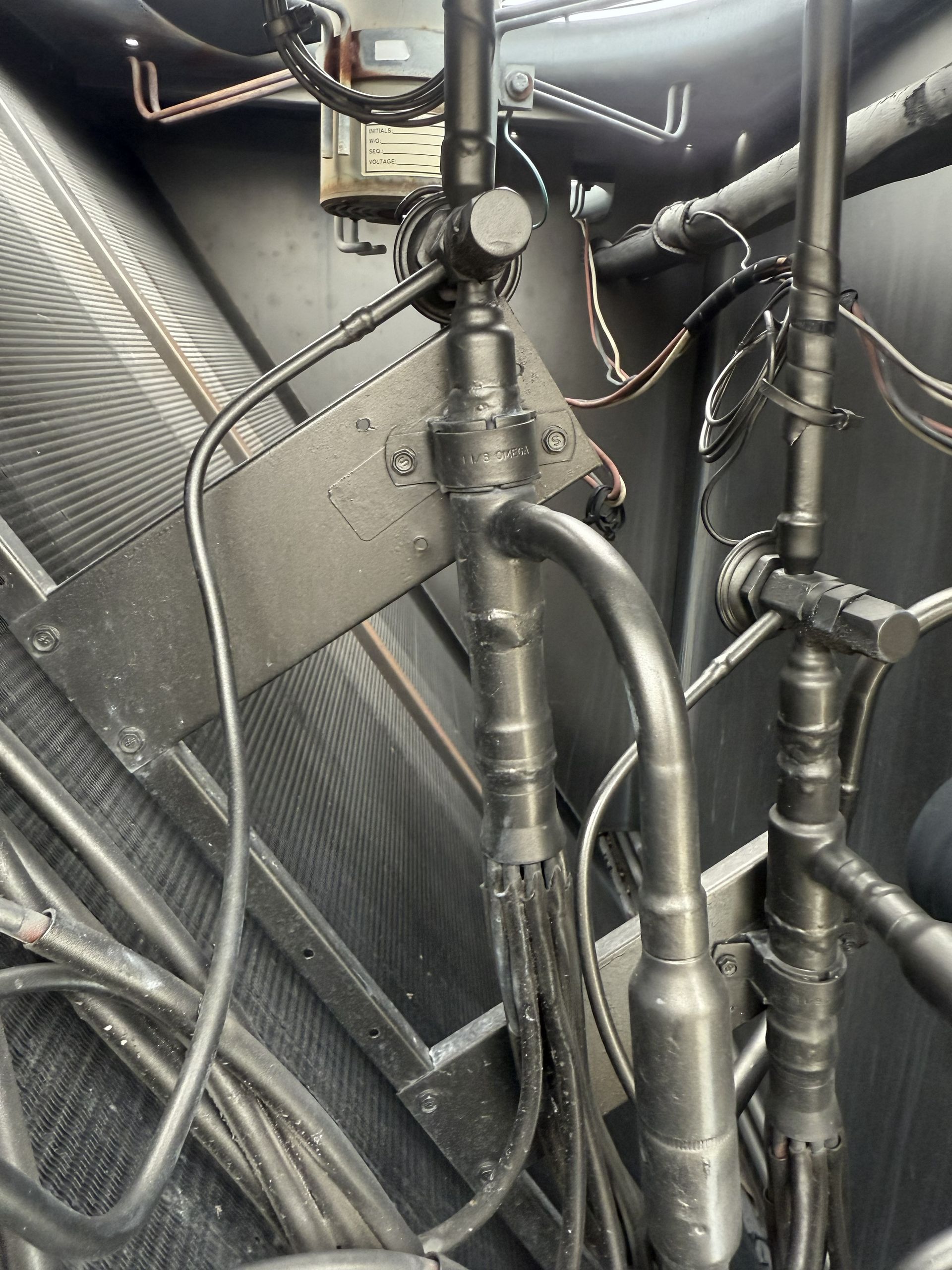
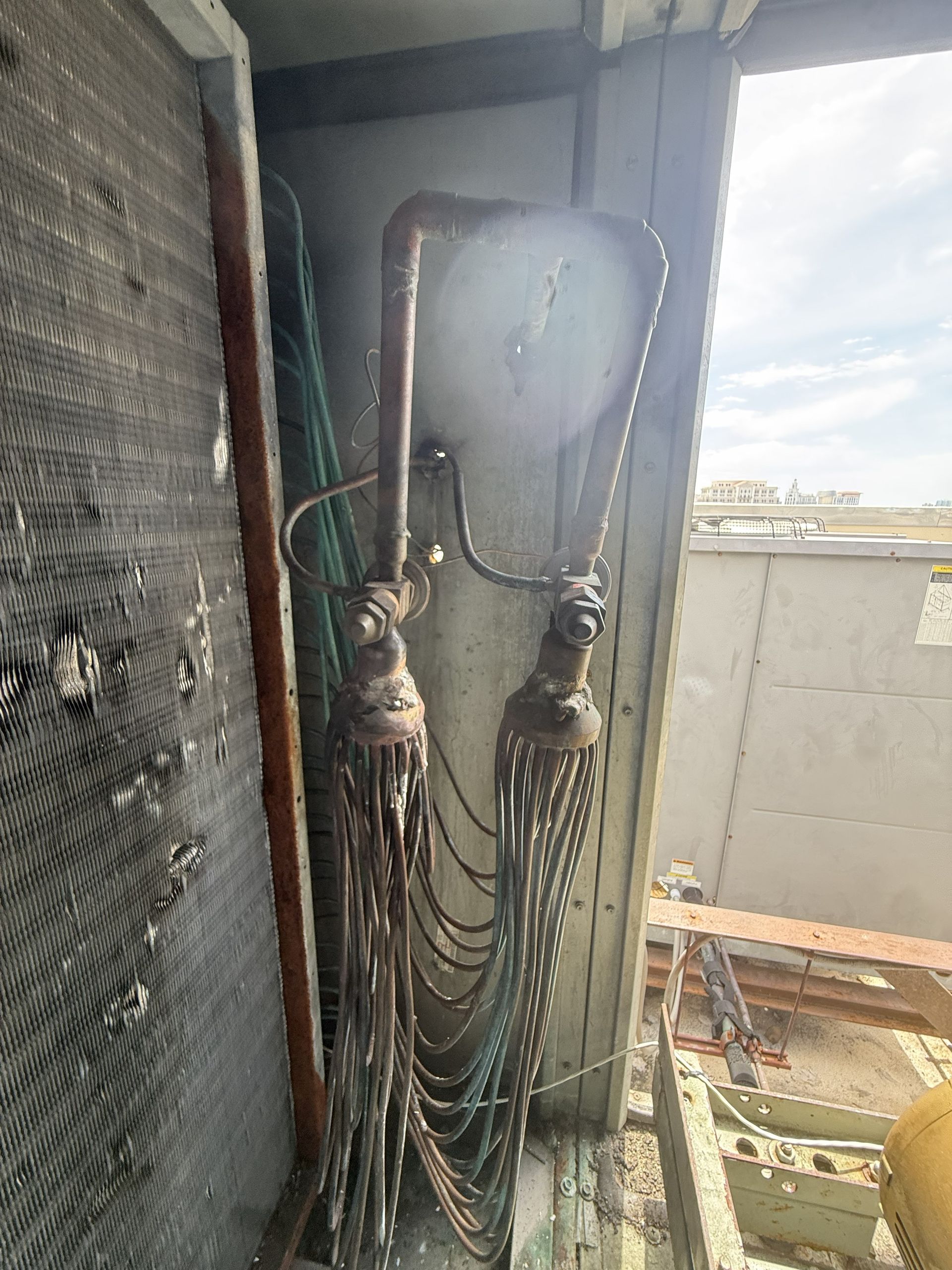
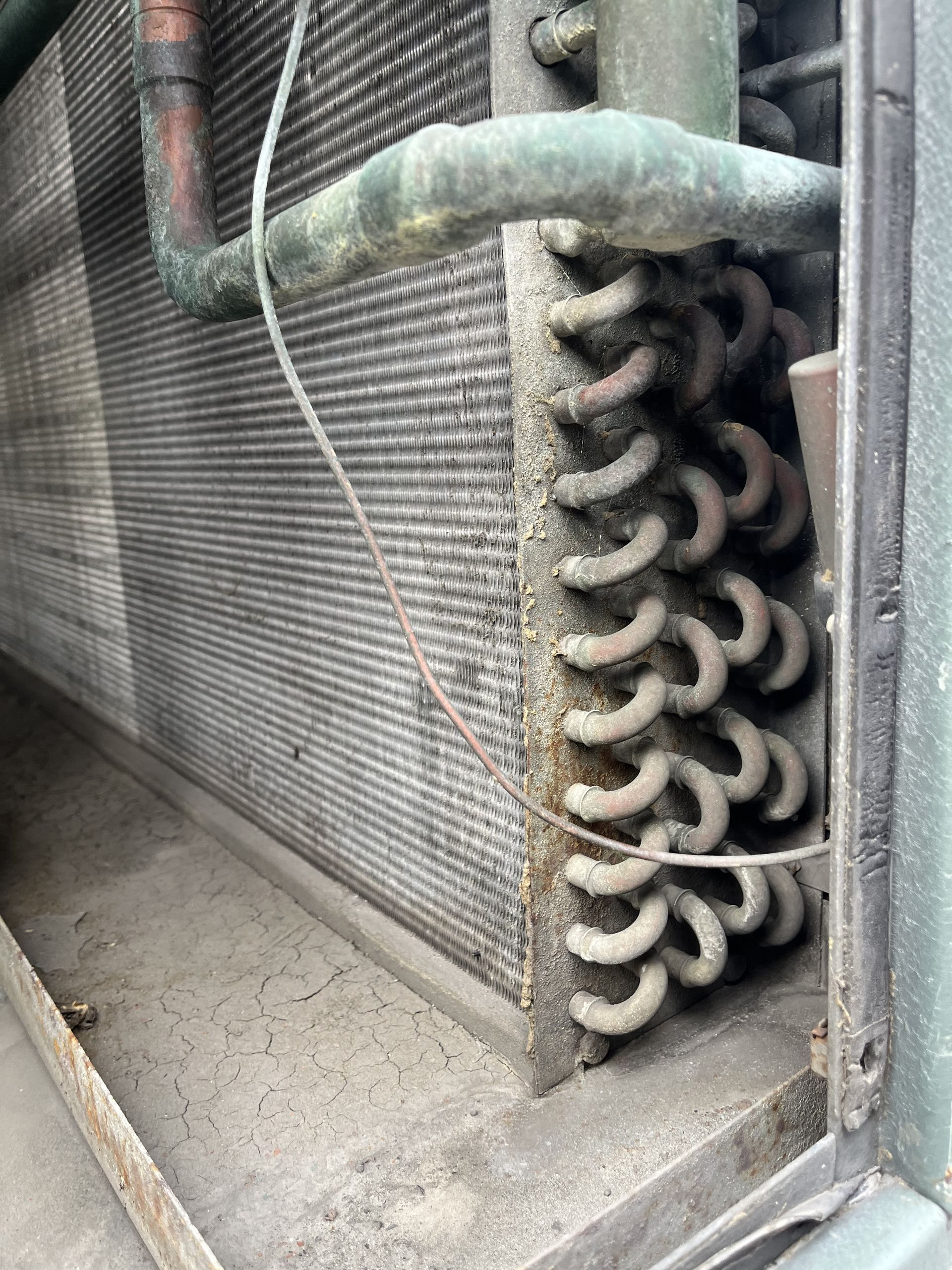
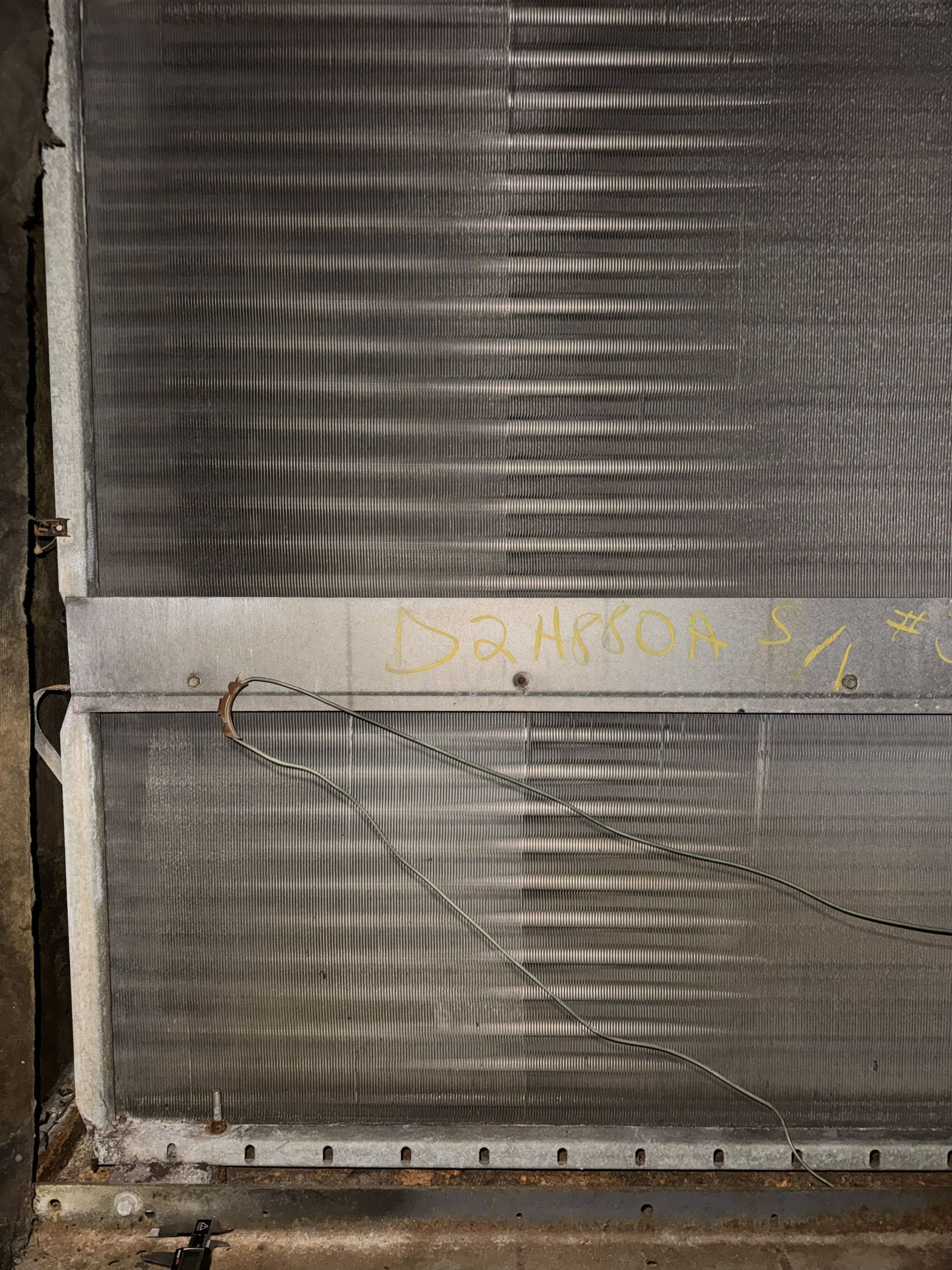
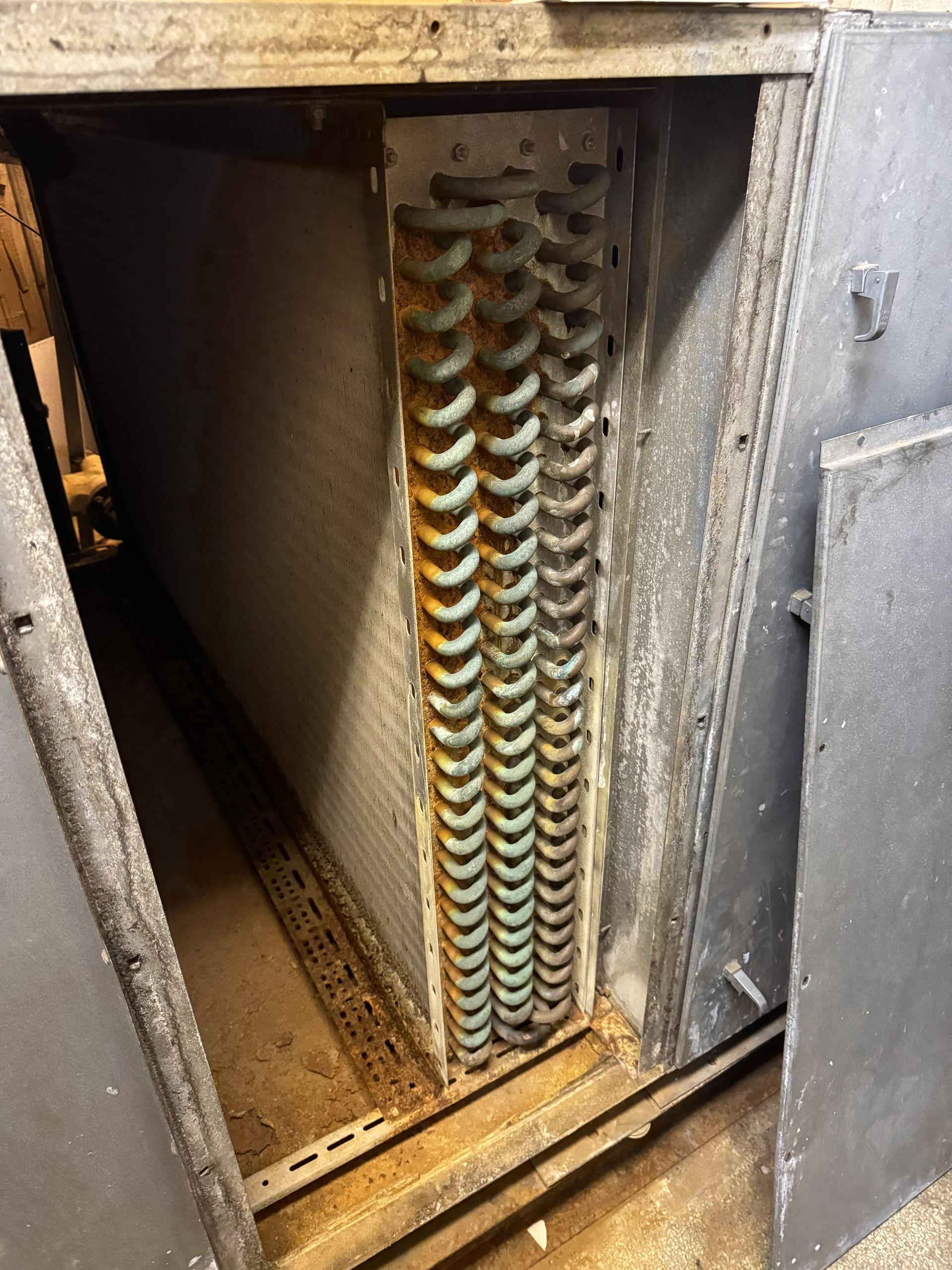
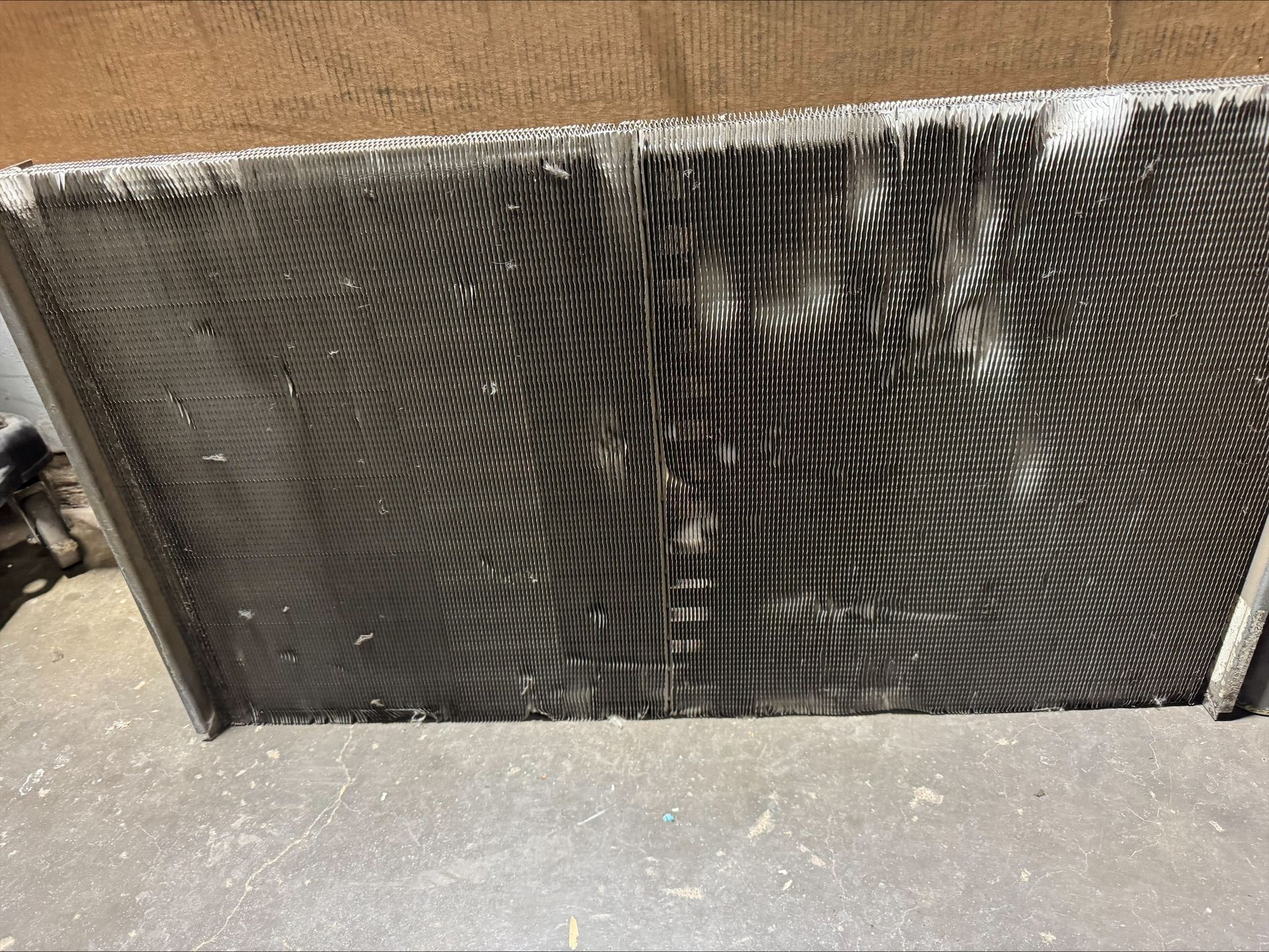
As HVAC systems age, they experience coil degradation, efficiency losses, corrosion, and increased failures and downtime in general. Coils are usually one of the first parts to deteriorate, as they are exposed to plenty of different weathering aspects in the air, such as salt, moisture, and pollutants, to name a few. When a coil deteriorates, it reduces system capacity as a whole. Efficiency losses in older units are common as well, since with time, the unit has to work harder and harder to remain operating at the same capacity as it was when it was new. Reliability decreases for units due to increased unexpected failures and downtime, along with it becoming harder to source parts for repairs as technology advances and changes.
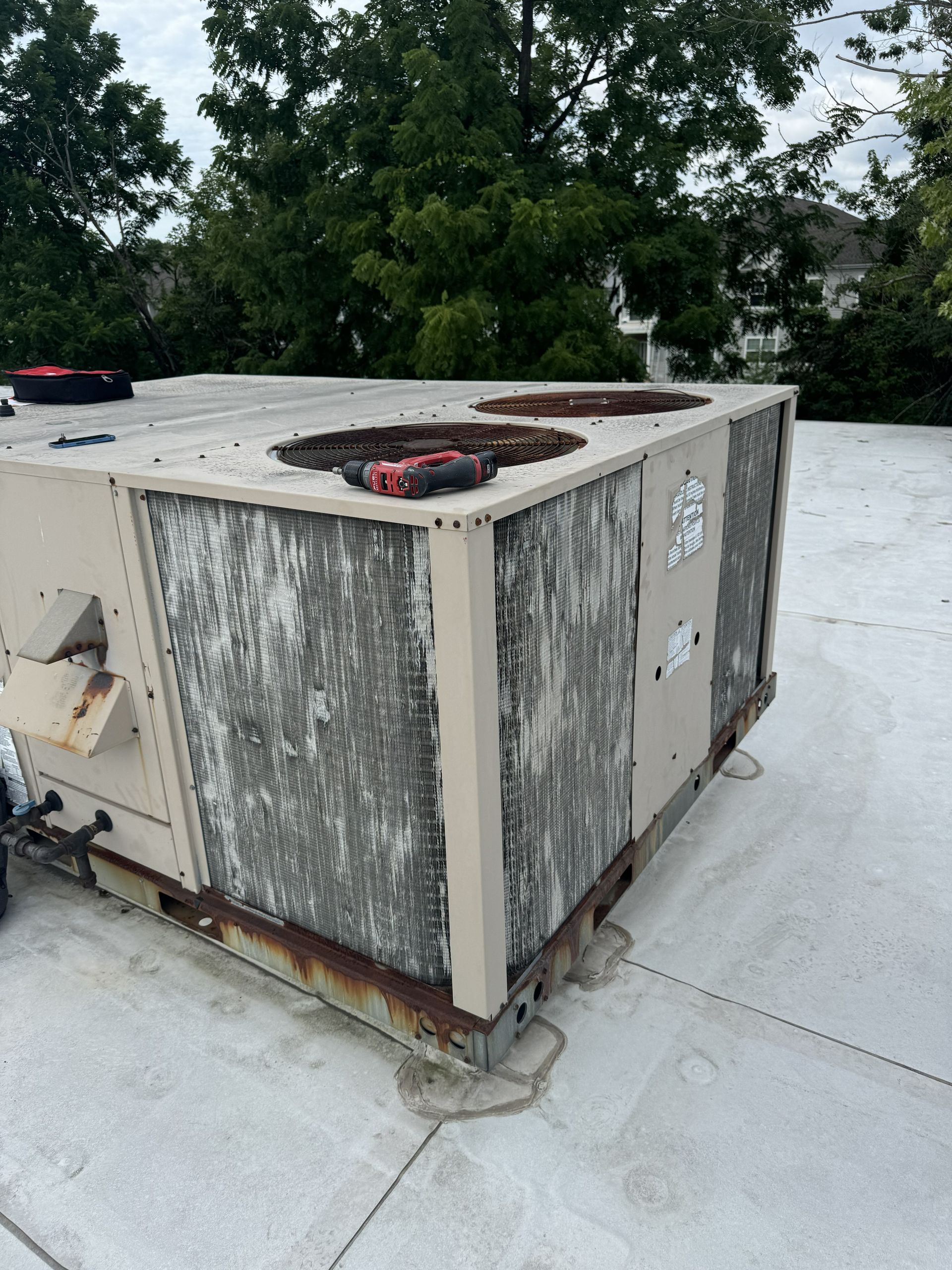
Unlike common belief, most of the time failure in commercial HVAC systems resides in just one aspect of the entire unit. Different components in different systems age differently, leaving many parts in a failed unit perfectly fine and replaced unnecessarily. For example, an HVAC system in a 25-year-old building may have corroded coils, but the fans, cabinet, and structural components are perfectly fine.
The solution to issues such as these is answered through retrofitting instead of full equipment replacement. While many facilities managers assume that they will have to fully replace entire systems, it’s much easier to replace specific parts of the system. Retrofitting makes projects cheaper, easier, and much quicker overall. Because it's only specific components of full systems that need replacement, you can extend the life of entire HVAC systems and buildings with smaller projects. This is much more sustainable in the long run.
When facing issues with aging HVAC infrastructure, HeatEX Technologies offers many different solutions. HeatEX manufactures custom coils and heat exchangers of all kinds, fit specifically to the specifications of each individual project and retrofit job. For aging buildings with different dimensions and challenges, HeatEX Technologies helps lower costs and time while raising efficiency and reliability.
Works Cited
Guckes, Bill. “The Who, What and Why of Replacing Aging Cooling Systems.” FacilitiesNet, 1 Oct. 2018, www.facilitiesnet.com/hvac/article/The-Who-What-and-Why-of-Replacing-Aging-Cooling-Systems---17882. Accessed 17 June 2026.
Long, Jordan. “Retrofitting Aging Buildings Requires Strategic Tech Integration.” Buildings, 28 Jan. 2025, www.buildings.com/architecture/renovation-adaptive-reuse/article/55295290/retrofitting-aging-buildings-requires-strategic-tech-integration. Accessed 17 June 2026.