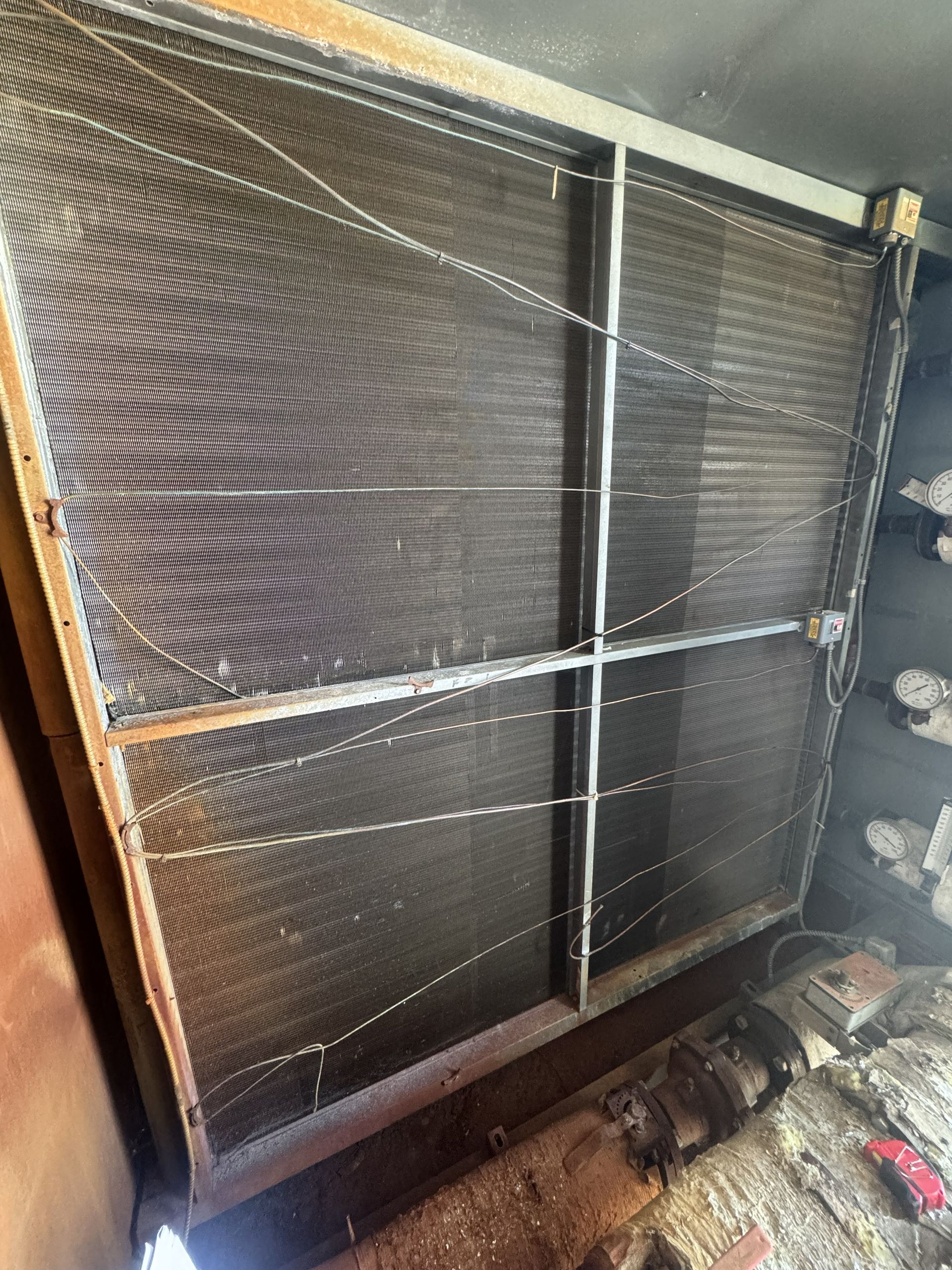
How to Properly Winterize Your Commercial HVAC Equipment
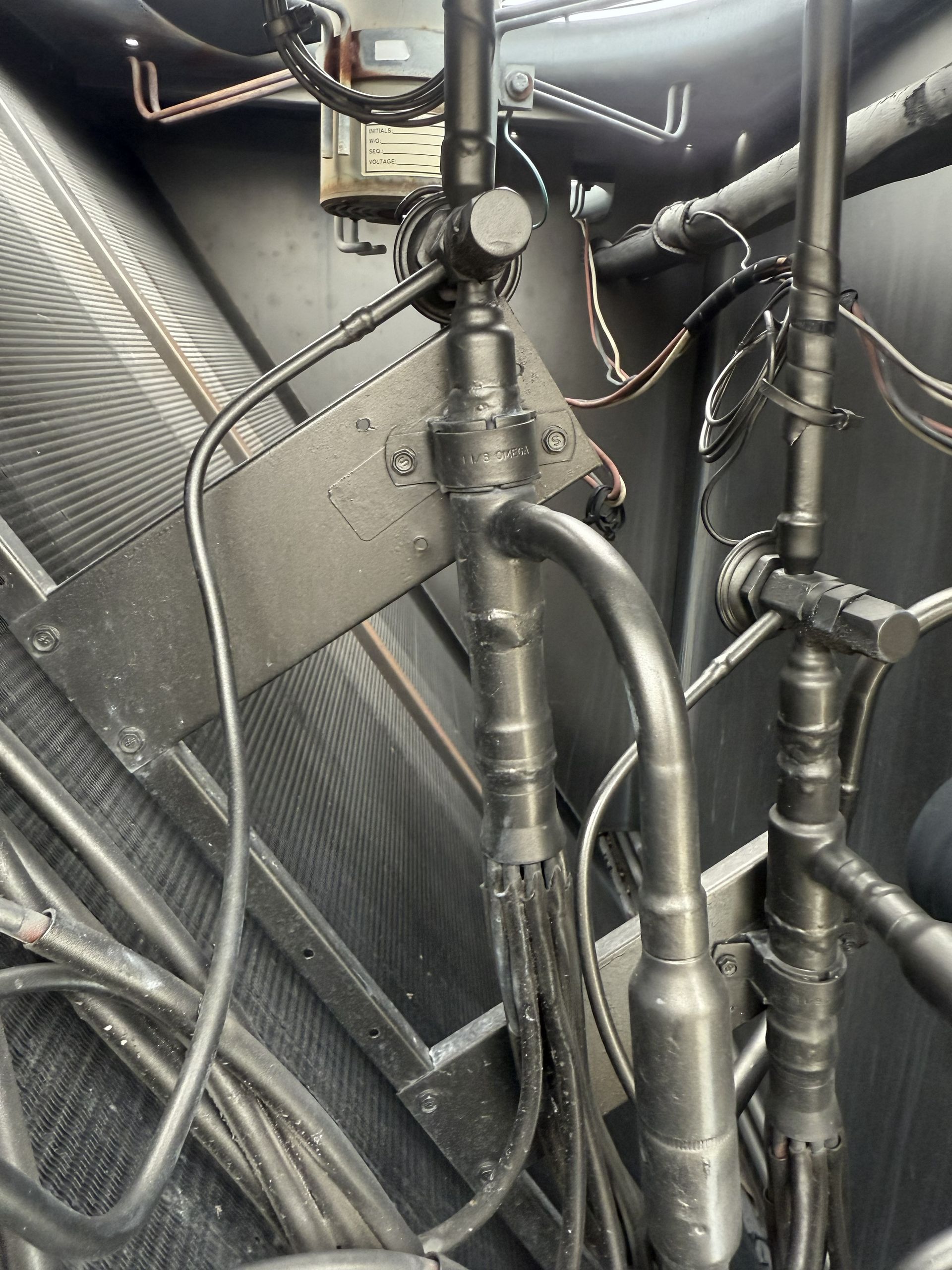
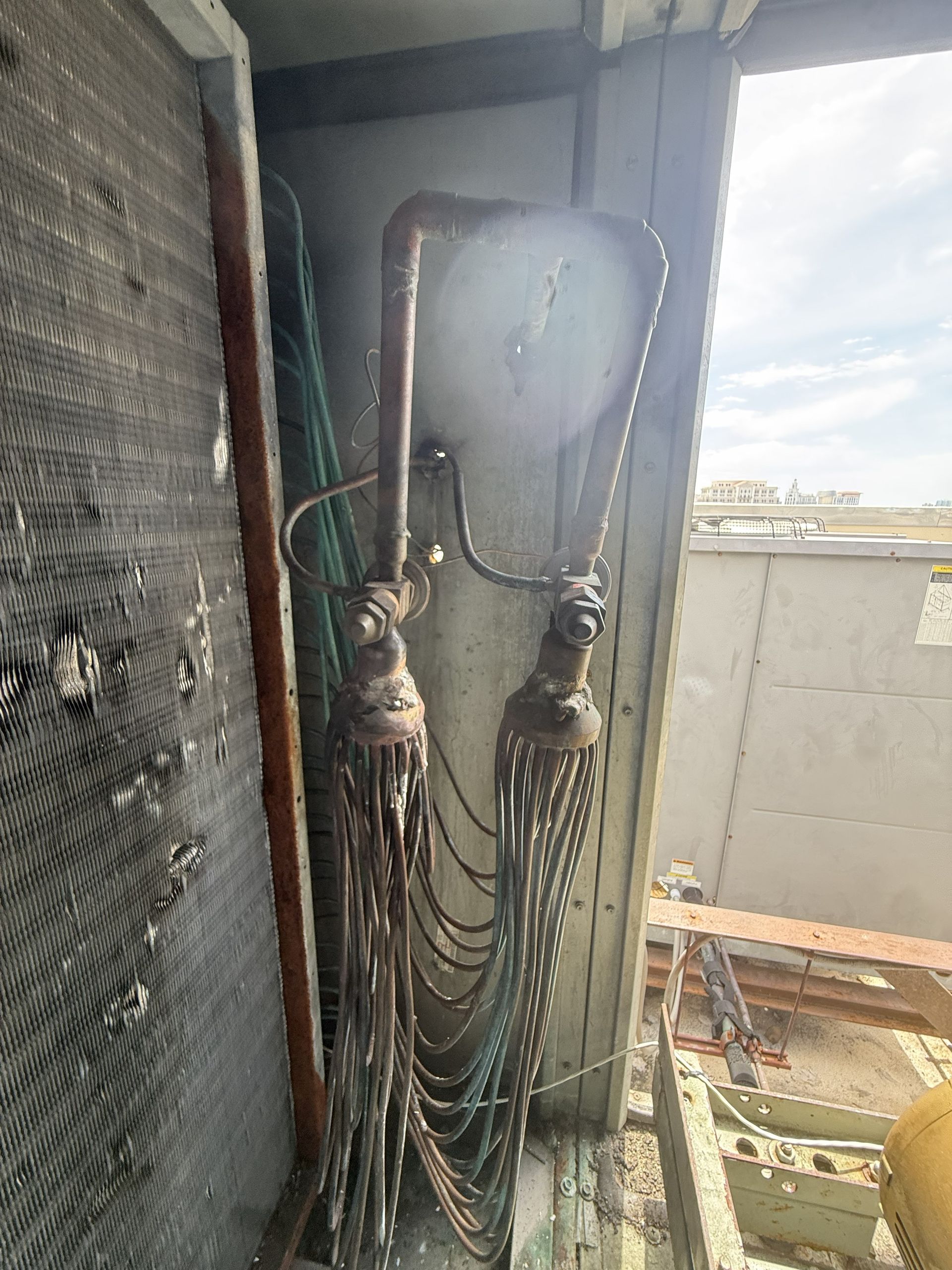
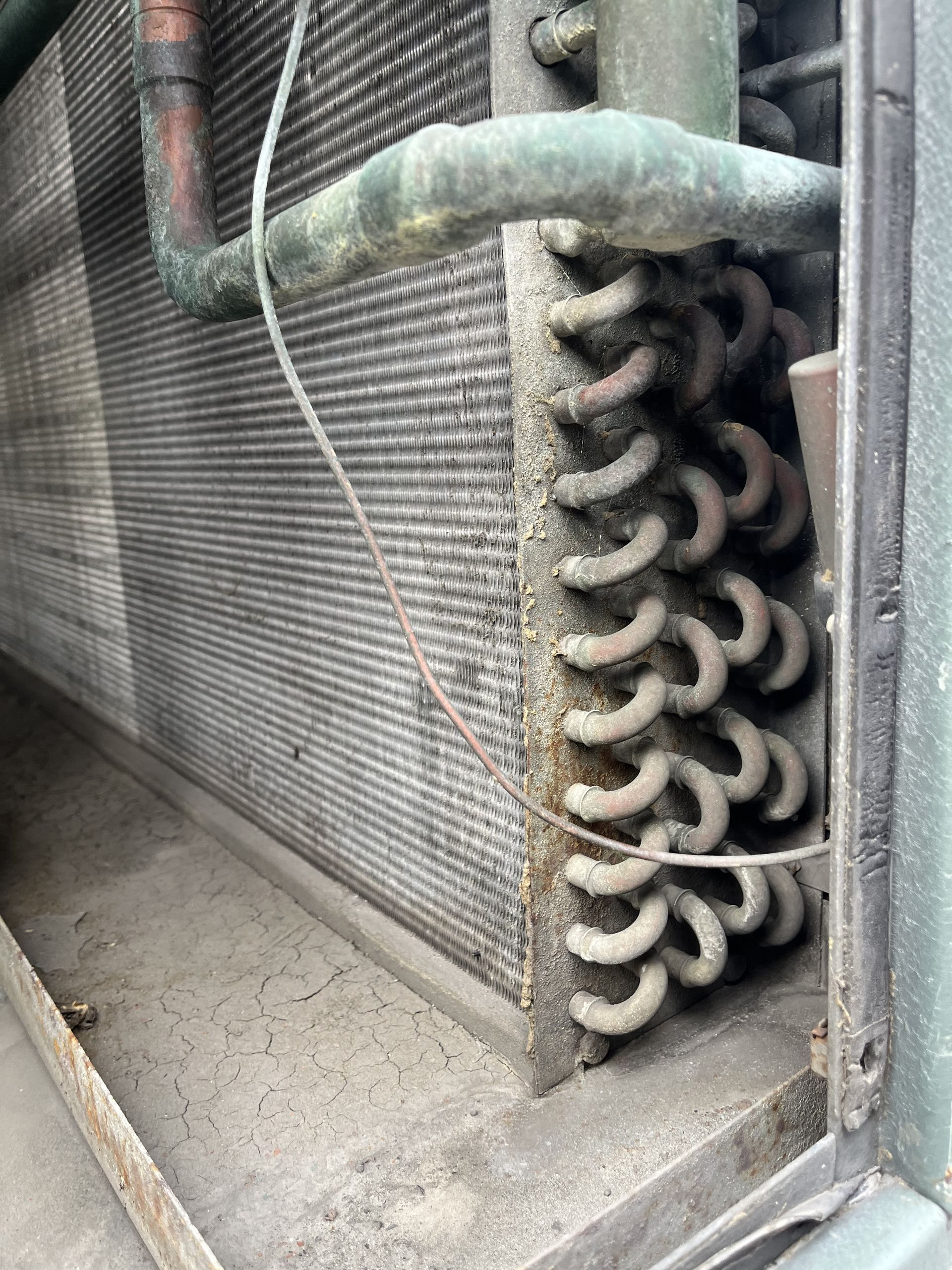
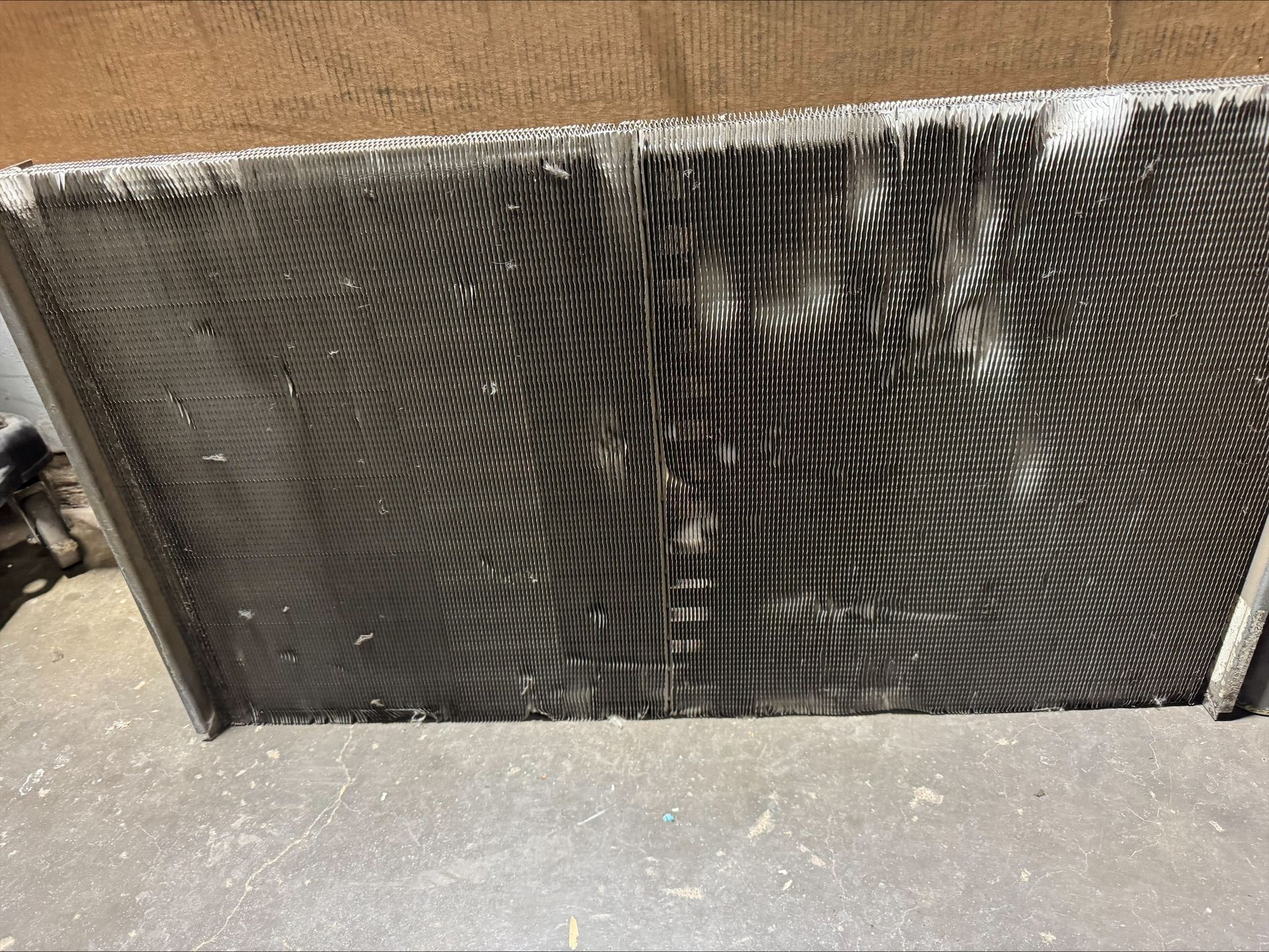
As temperatures begin to cool down this fall, an important part of facility management is making sure to winterize your commercial HVAC equipment. Winterization may be the most important aspect of preventative maintenance to make sure your coil maintains a long and efficient life, and failure to do so can result in costly damage. Winterization prevents freeze damage to the coil, which in turn prevents damage such as tube ruptures, damage to the headers, and leaks in the tubing of your coil. Below is how to winterize your coil, and other important aspects when it comes to winterization maintenance.

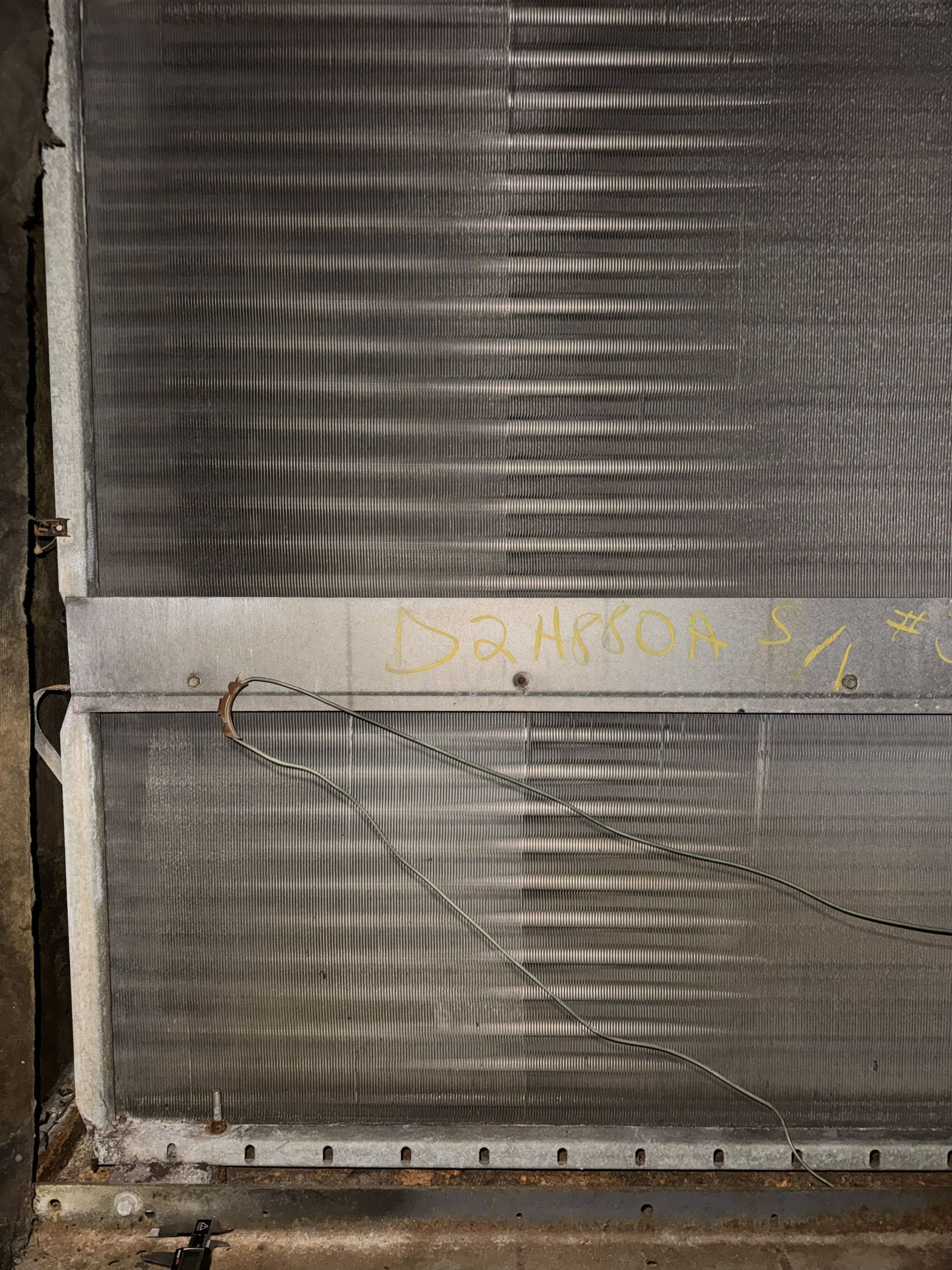
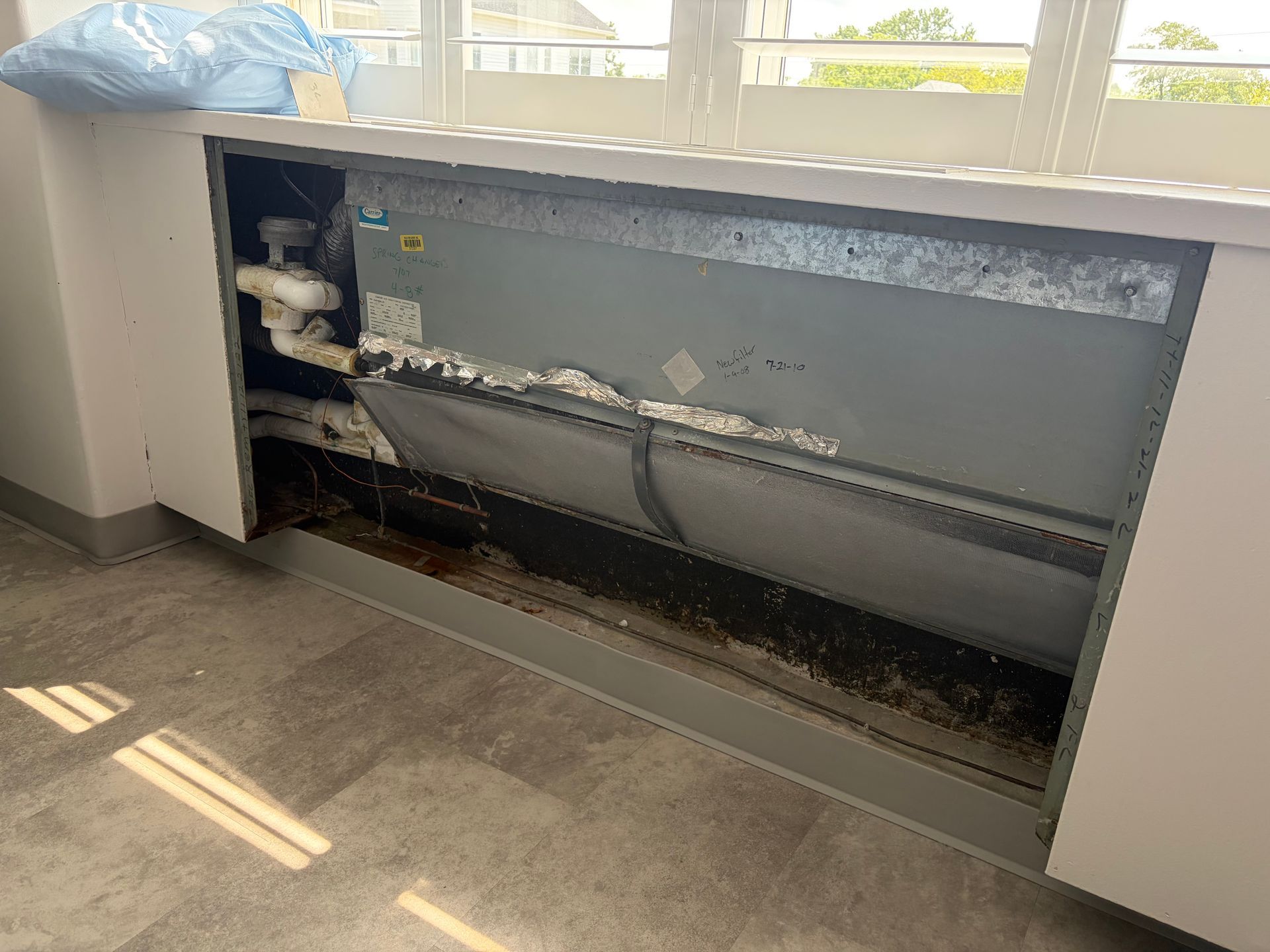
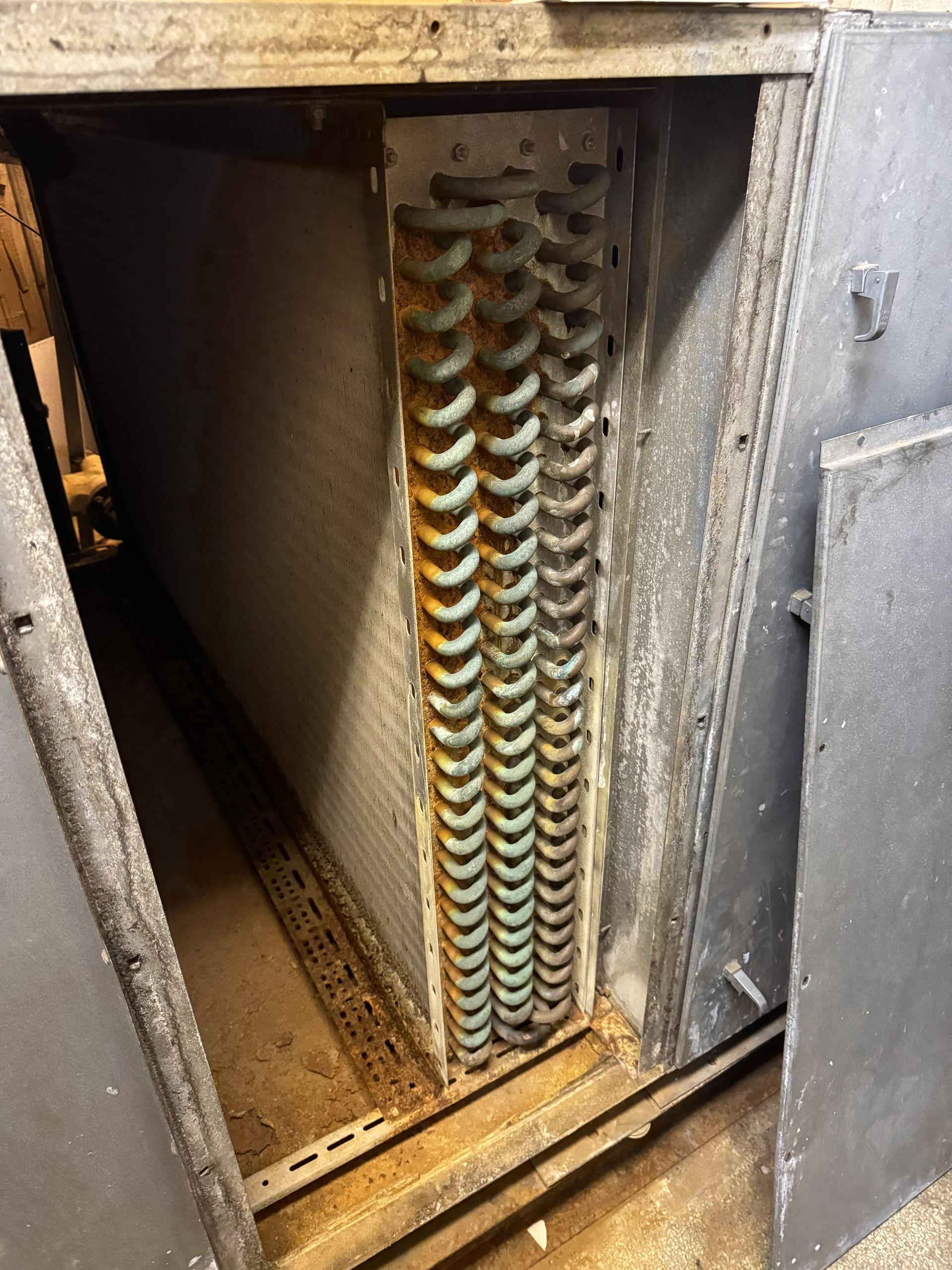
The first step in coil winterization is to determine which coils need to be winterized. Any equipment that contains water or other freeze-sensitive fluid must be winterized, as the fluid can freeze and expand inside the coil, causing damage. Examples of equipment that needs to be winterized include chilled water coils, hot water coils, and cooling tower coils, since all three run some kind of fluid that is at risk of freezing. Strategies for winterization are different for each coil and should be based on the location and specific fluid inside. Knowing your coil is important for winterization, since every coil is different.
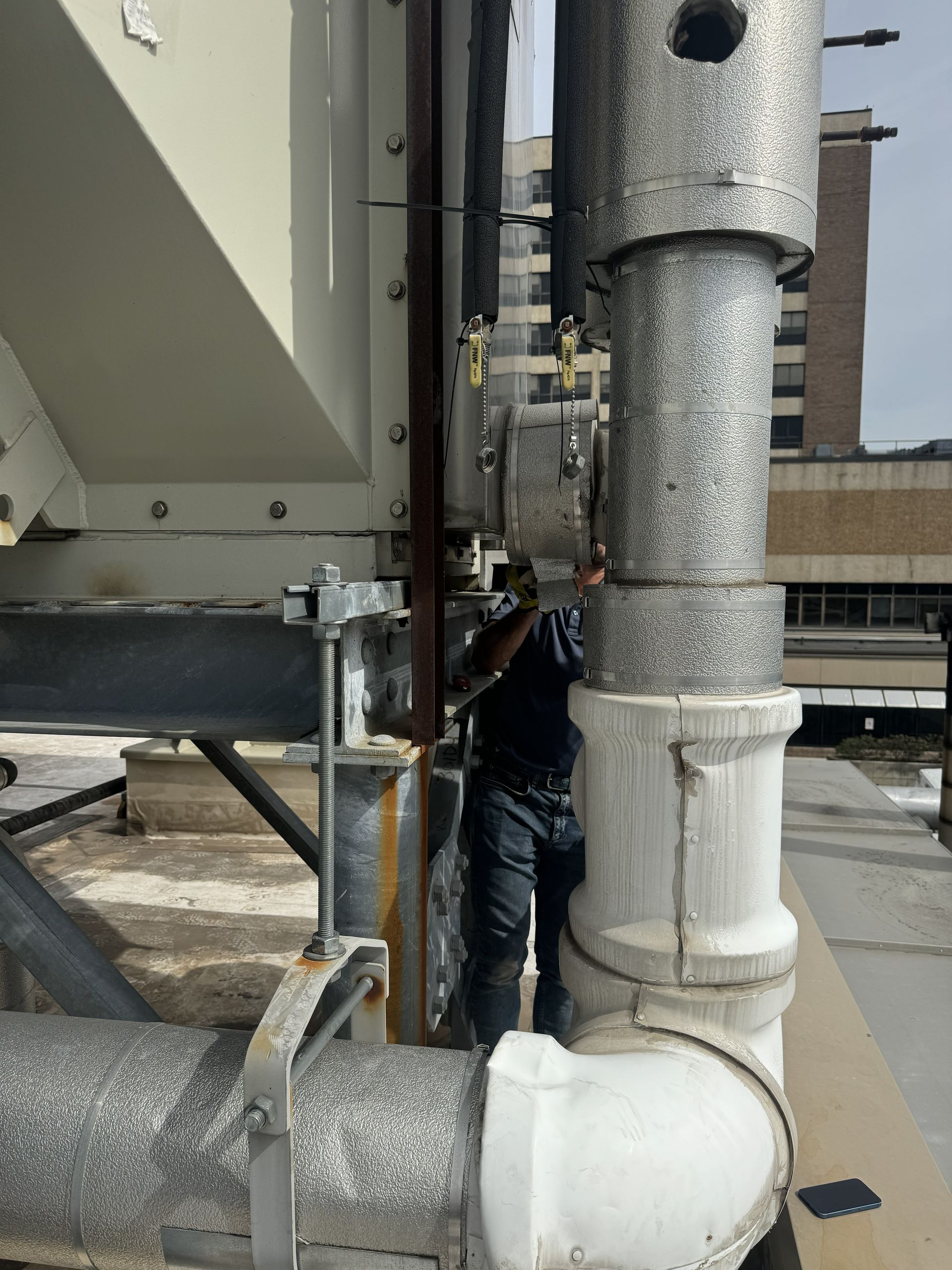
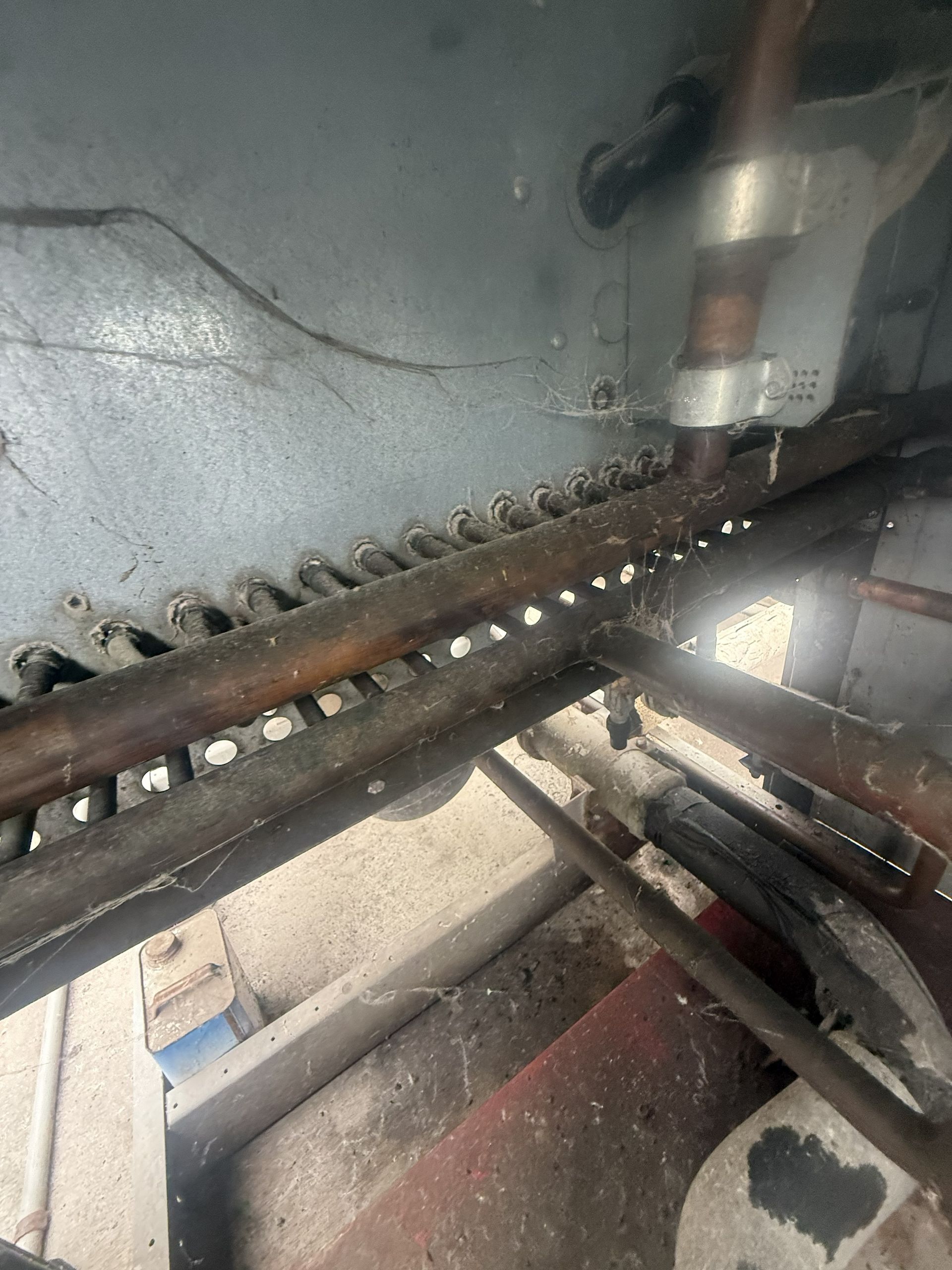
After you have identified which equipment needs to be winterized, the process begins by draining the water or fluid out of the coil. You start by opening the coil's drain and vent valves and closing the coil's supply and return valves. The drain valve is commonly located at the lowest point of the coil and allows water to escape, whereas the vent valve is commonly located at the highest point of the coil and allows air to enter as the coil drains. The supply and return valves allow supply water to enter and circulate throughout the coil, and by closing them, you shut off the water supply. After you open and close the necessary valves, make sure that the water or other fluid drains completely by monitoring low points where it could get trapped to eliminate all risk of freeze damage. For certain systems, using compressed air can help remove residual water if the coil is not completely dry. A properly drained coil never bursts!
If your coil cannot be fully drained, you still need to take measures to protect it during cold seasons. Maintaining adequate circulation, maintaining building and mechanical room temperatures, and looking at equipment manufacturer recommendations are all necessary measures that you need to take in order to prevent freezing and other issues that come with the cold season. Making sure to stay on top of winterization maintenance is the best way to prevent damage in these scenarios.
The last thing that you want to do after you have winterized the coil is to document the winterization. Making sure that you can remember if you winterized it and when you winterized it is a good preventative maintenance tactic that can assist you if something goes wrong with your coil.
At HeatEX Technologies, we encourage preventative maintenance and want to make sure that your equipment is prepared for the cold season. Properly draining your coil is the only way to guarantee that your coil won’t fail due to freeze damage, and we want to make sure that you know the proper steps for doing it the right way. If you are already dealing with a failed coil due to freeze damage or leaking, HeatEX Technologies is here to help. We specialize in manufacturing a wide range of replacement coils and heat exchangers that fit seamlessly into your system, and we assist you every step of the way with excellent customer service.