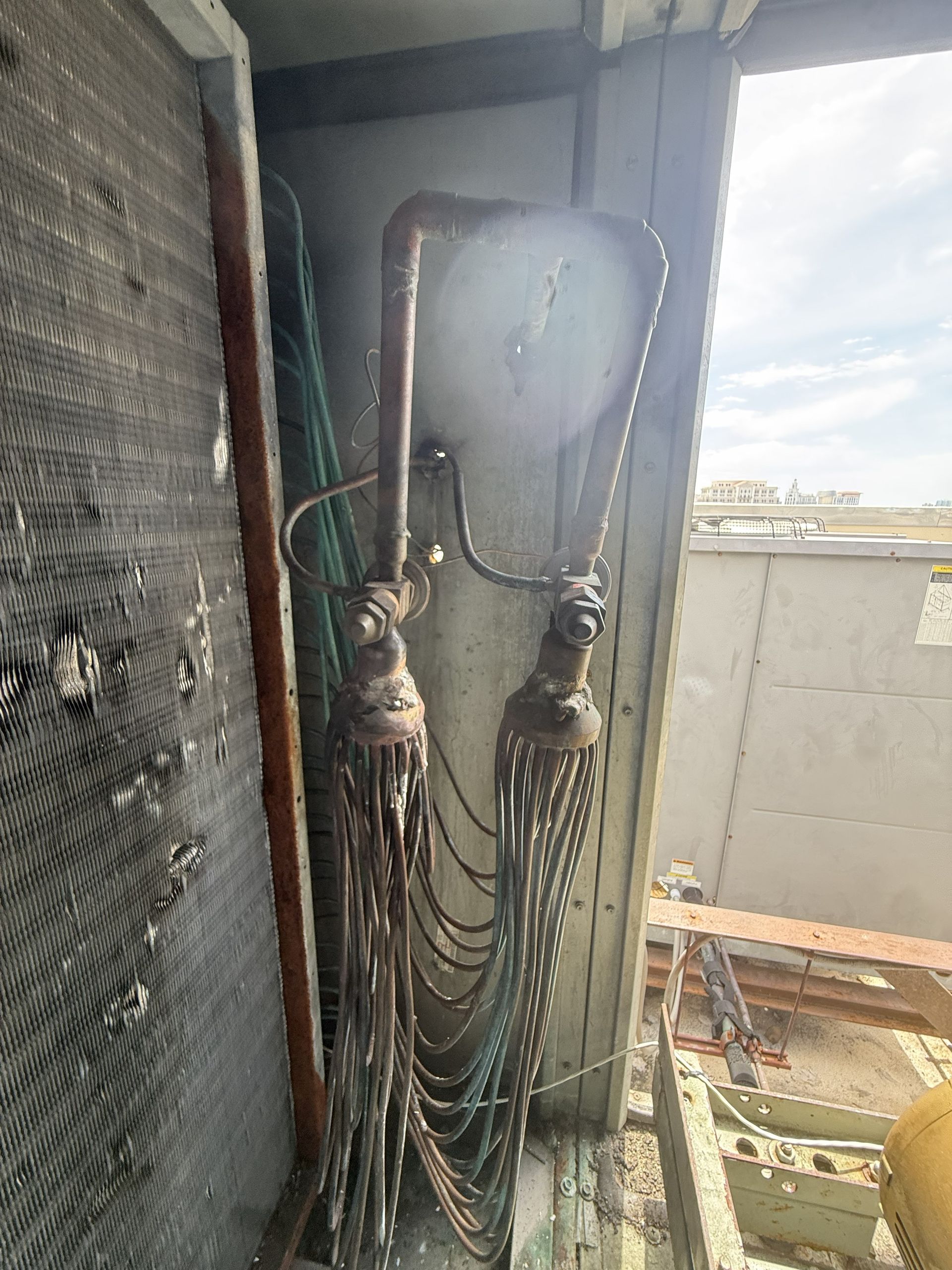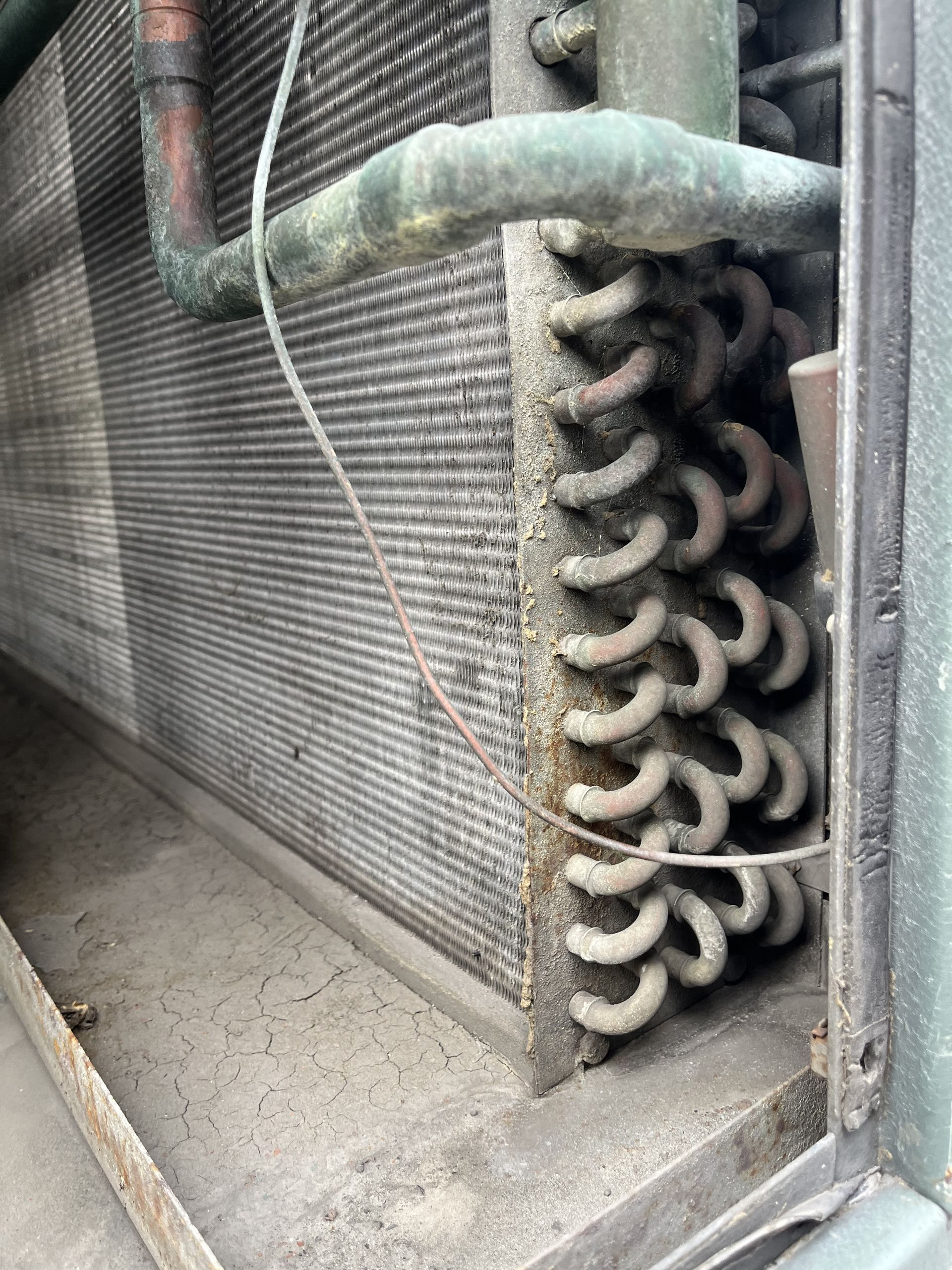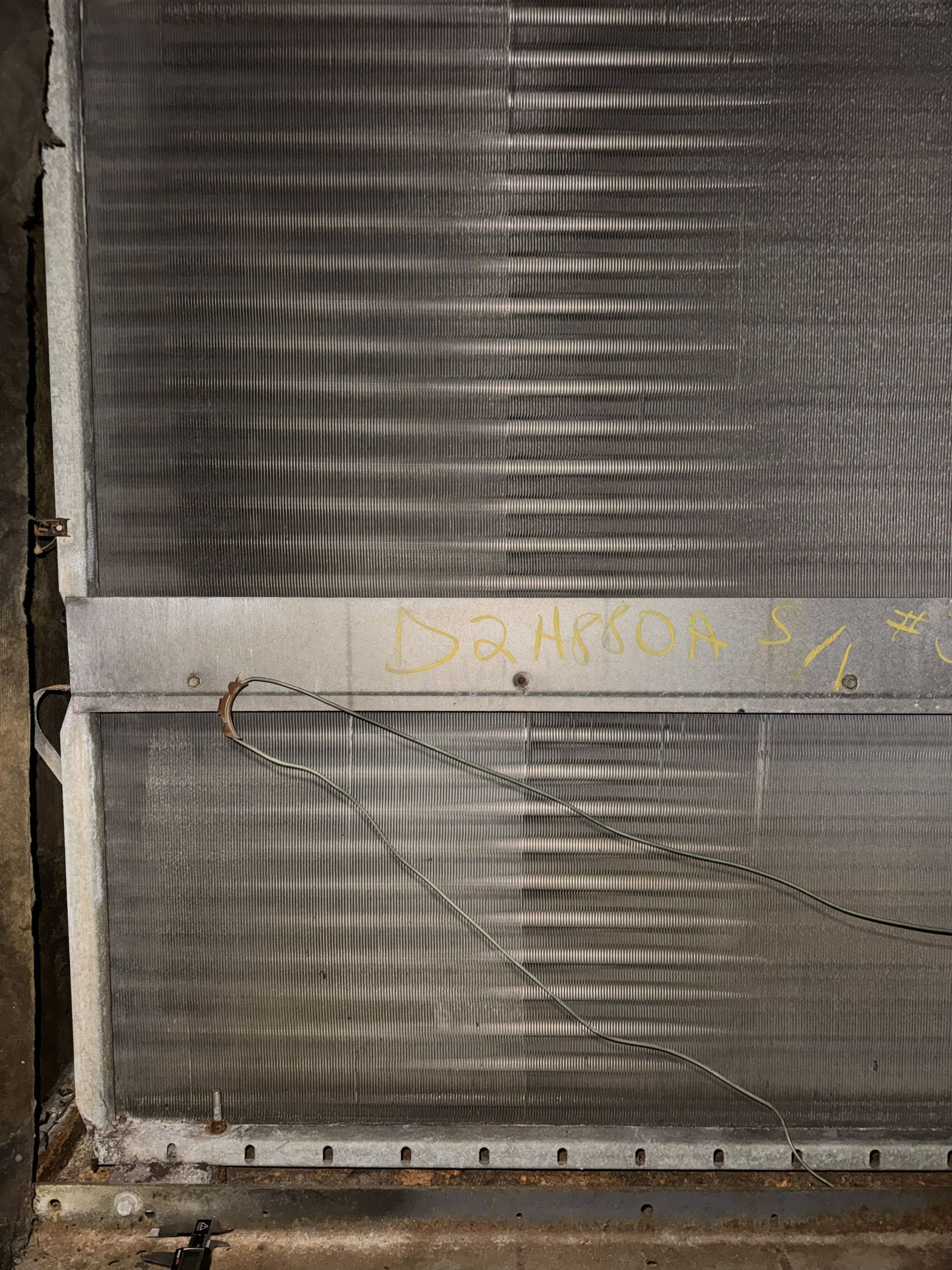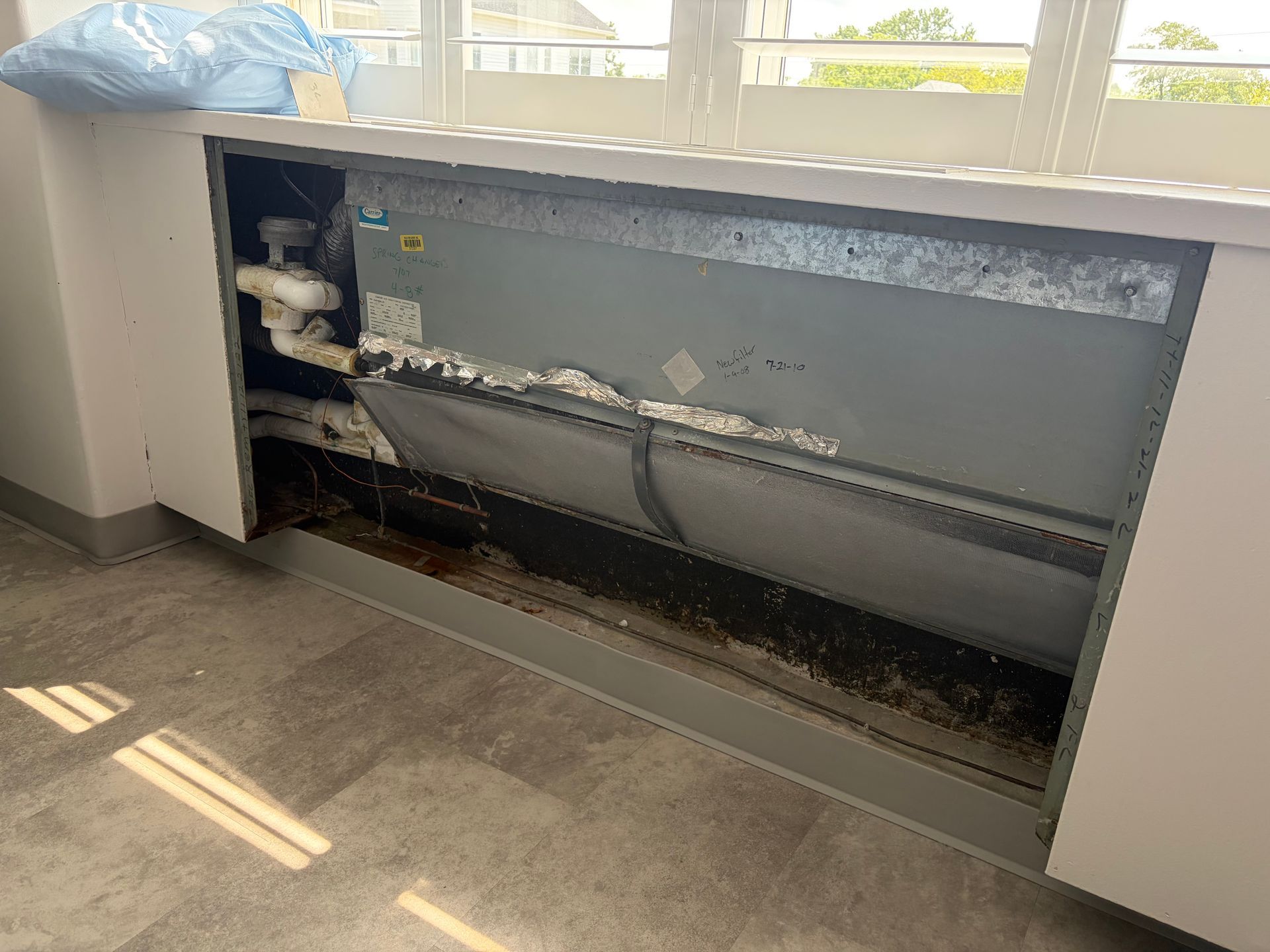
Split-Coil Case Study
Split Coil Solutions for Tight-Space Installations
Redefining How Replacement Coils Are Built and Installed
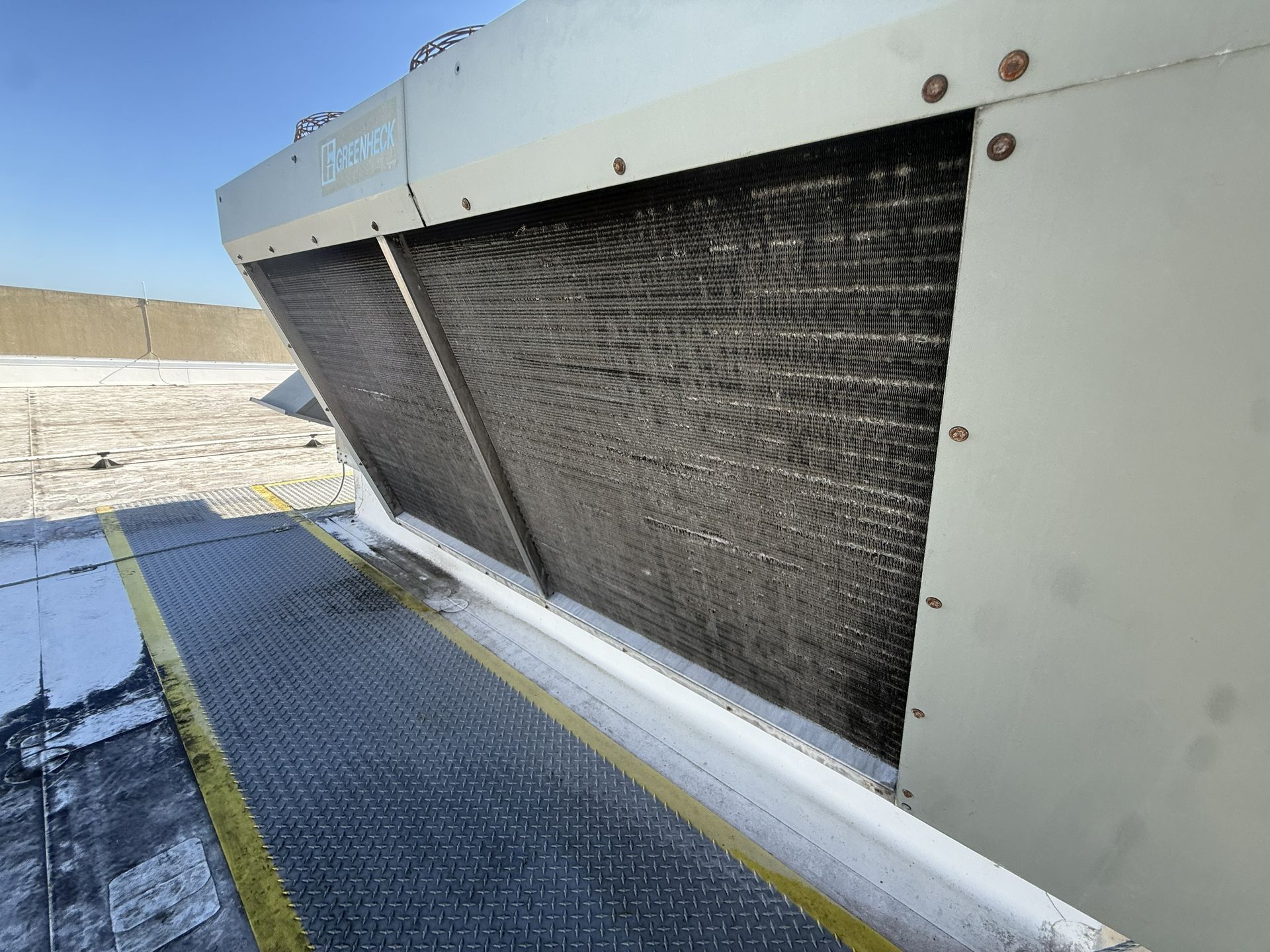
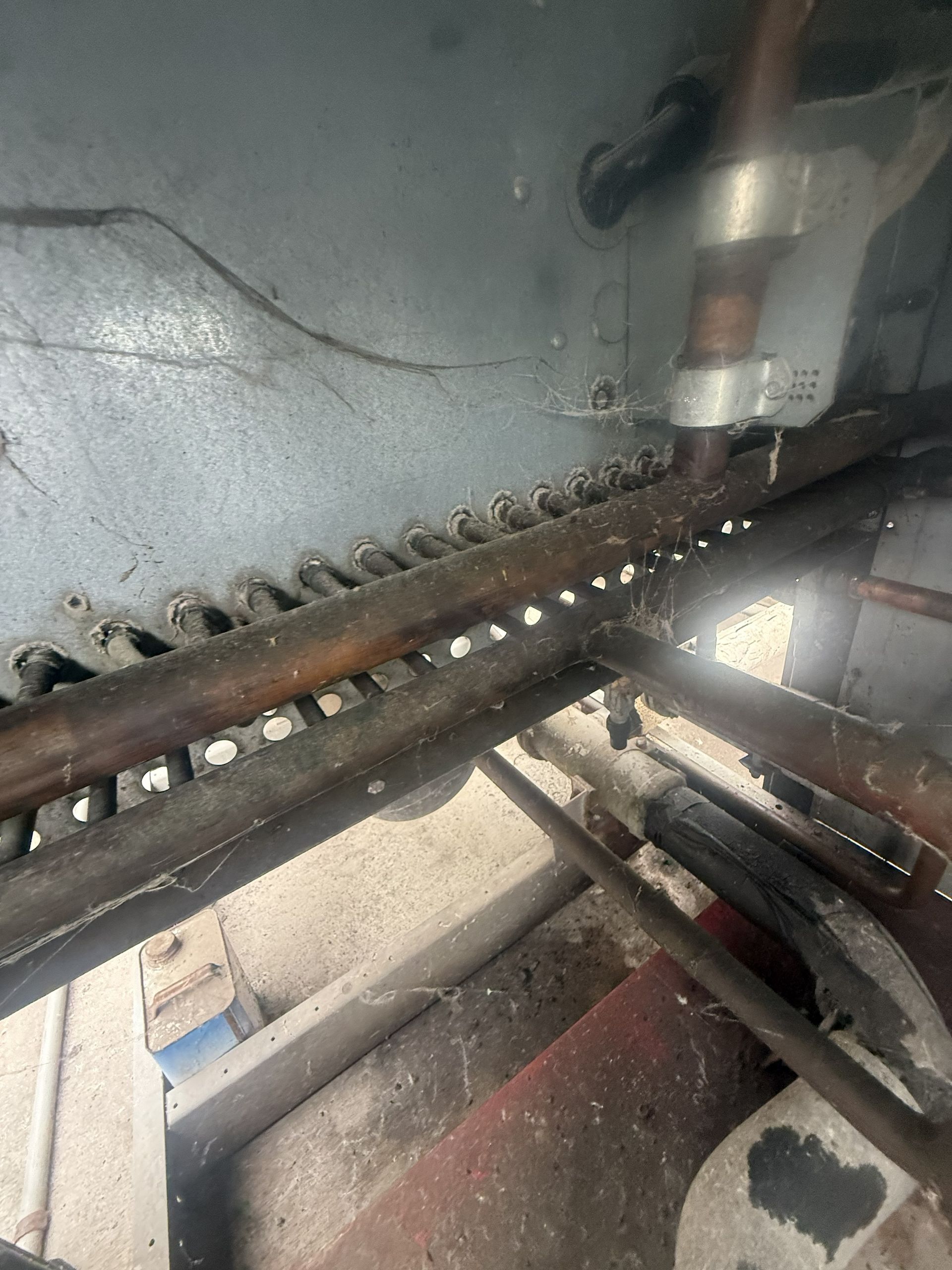
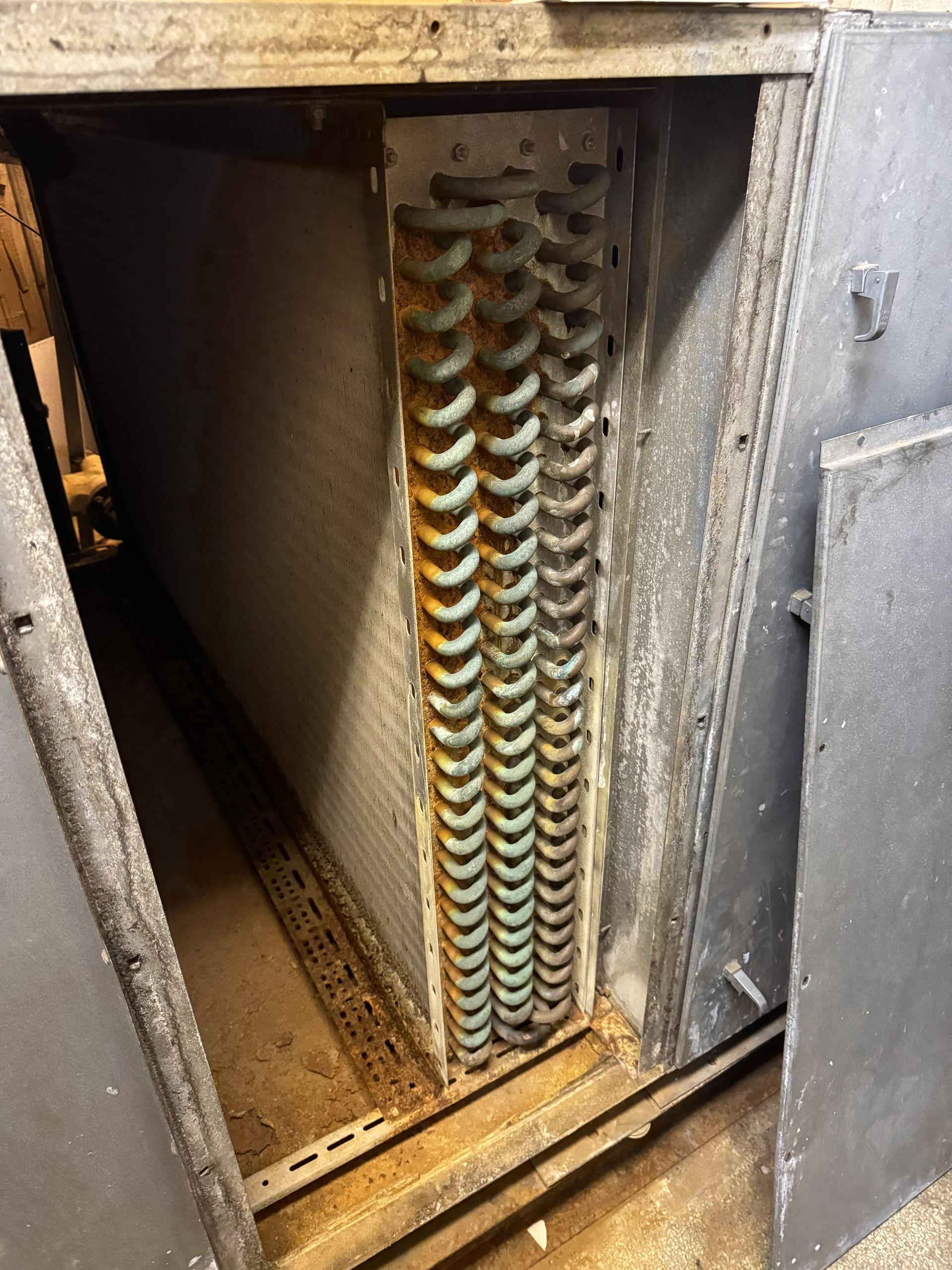
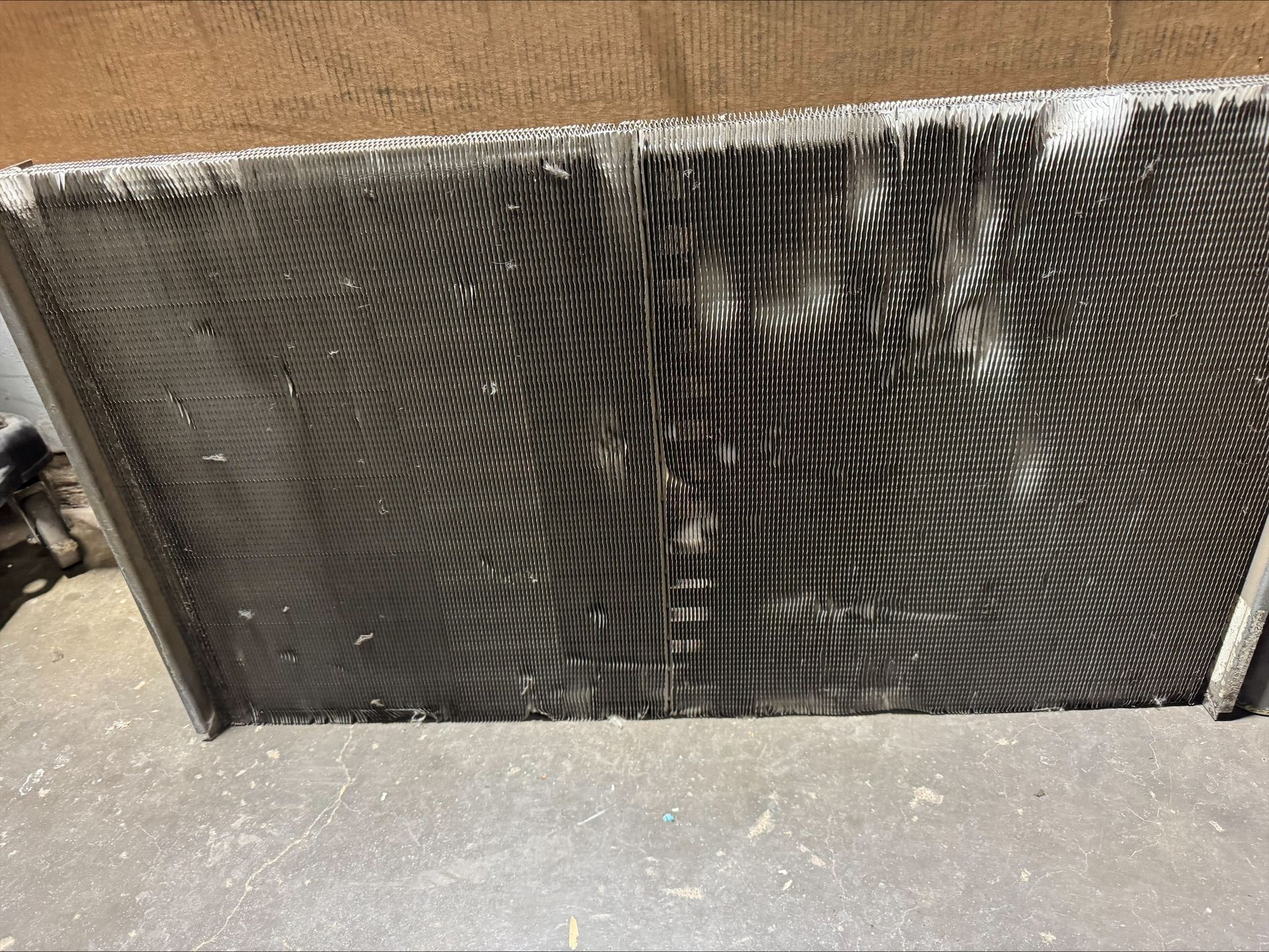
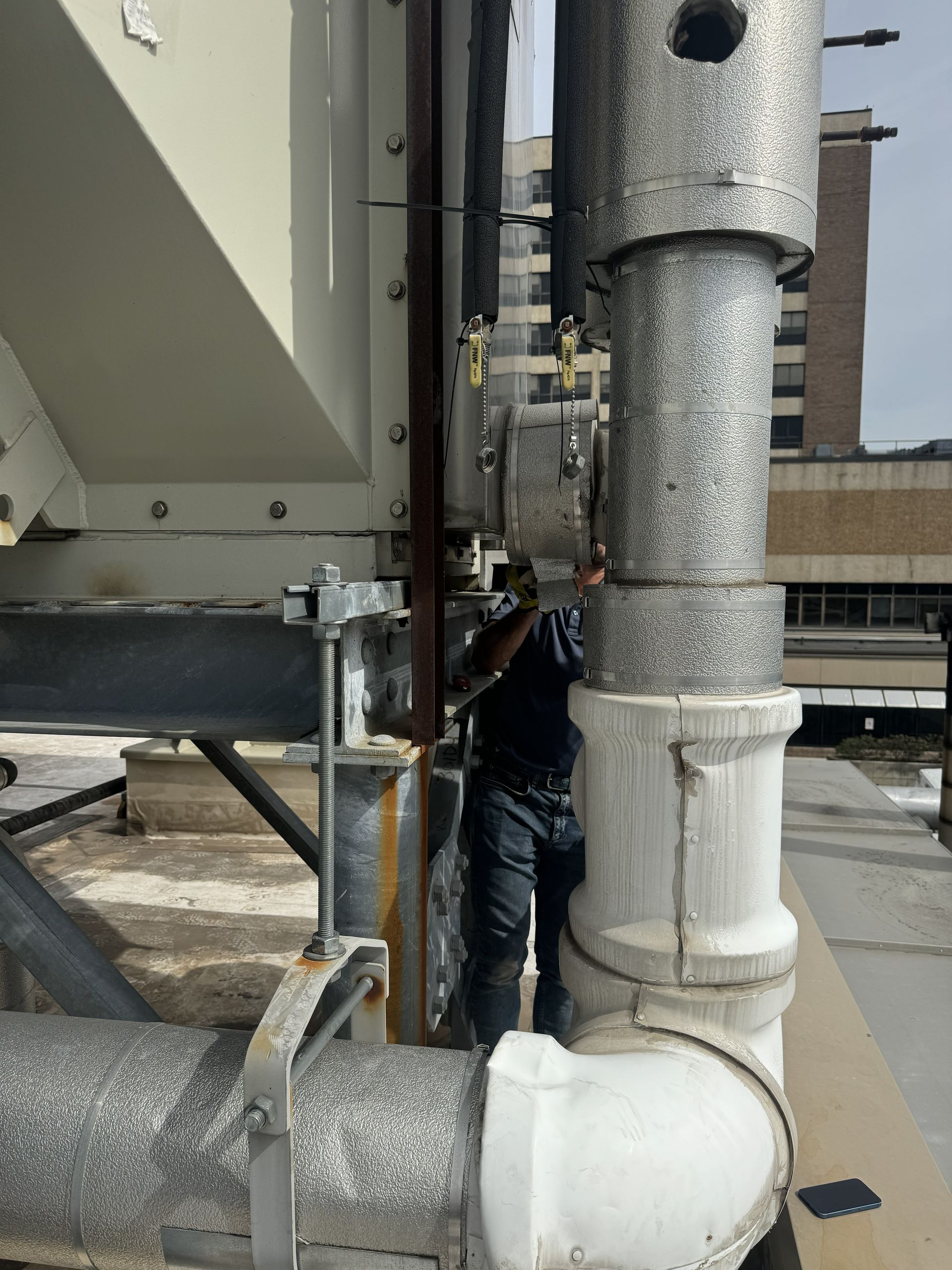
Replacing coils in older air handlers or equipment rooms with limited access often turns into a costly, labor-intensive challenge. Full-size coils may not fit through existing access doors, stairwells, or hallways—forcing contractors to cut walls, remove louvers, or rent cranes. These complications drive up project costs and downtime. Our split coil design solutions provide a smarter alternative that allows contractors to bring in the coil in sections, assemble it on-site, and restore system operation quickly—without compromising performance, integrity, or operating pressure.
Traditional Split Coil Design
Conventional split coils are typically divided by fin length and joined internally with divider plates and gaskets. While effective in maintaining fluid separation, this approach presents two main drawbacks: - Higher fabrication and field labor costs due to internal divider plates, gaskets, and hardware. - Operating pressure limitations since gasketed divisions restrict system pressure ratings.
Our Simplified Split Coil Options
We engineered two practical alternatives that eliminate the need for divider plates and simplify the field installation process—ideal for contractors working in tight mechanical rooms, basements, or rooftop units with restricted access.
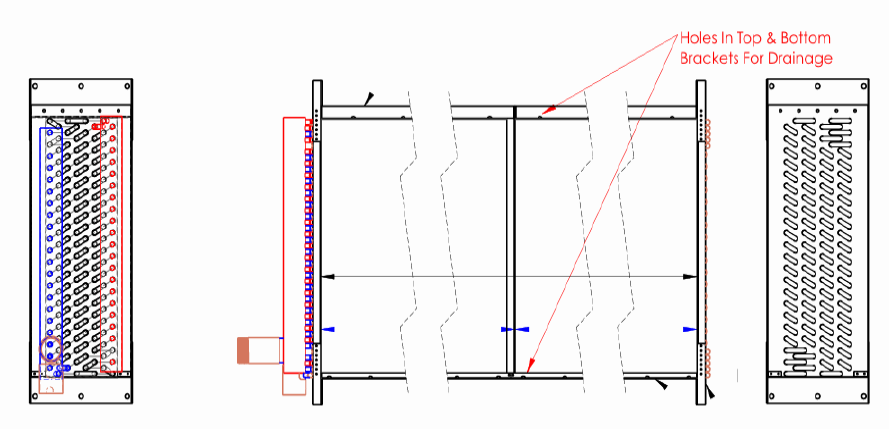
Option 1: Split by Fin Height (Top and Bottom Coil)
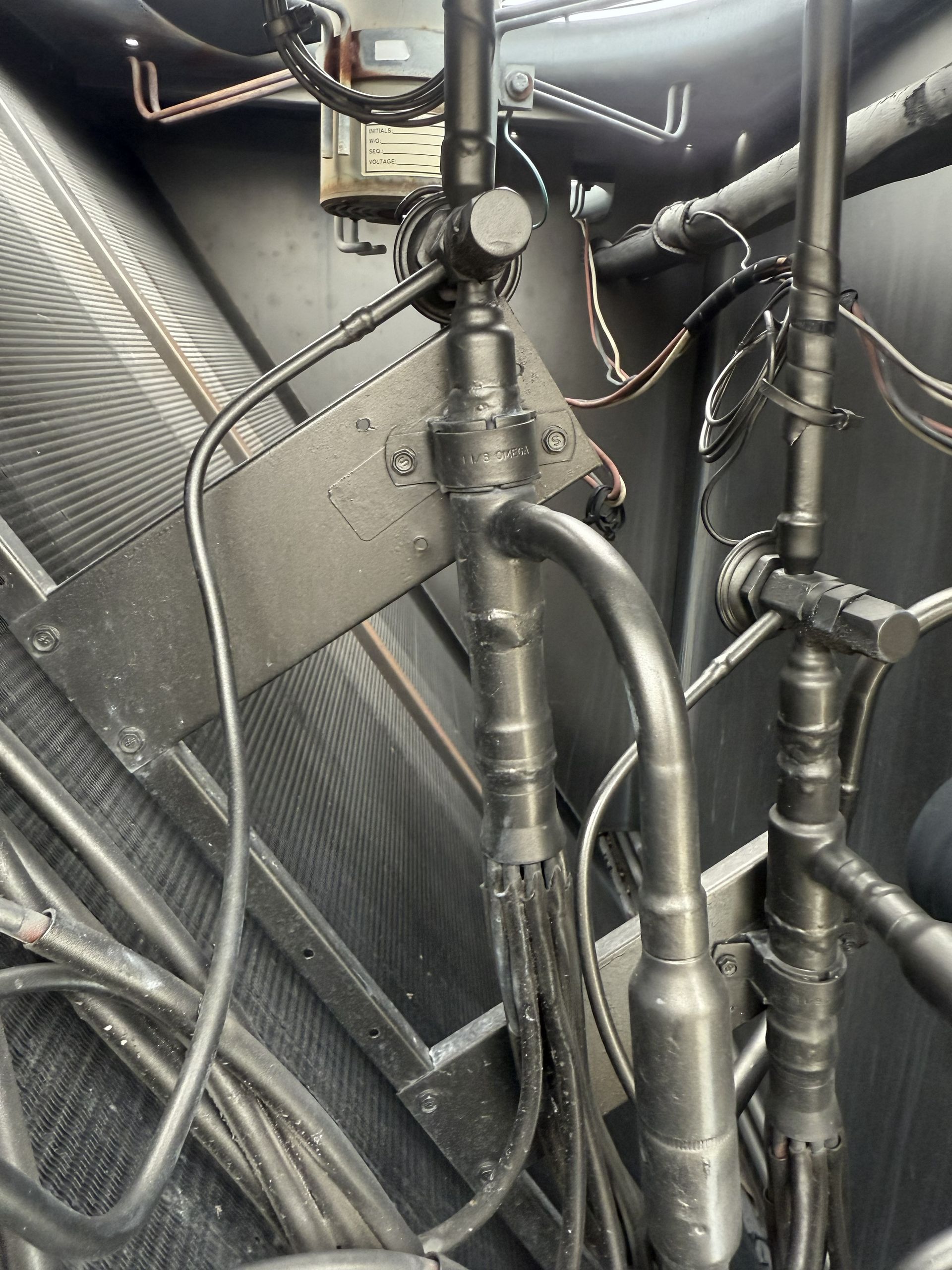
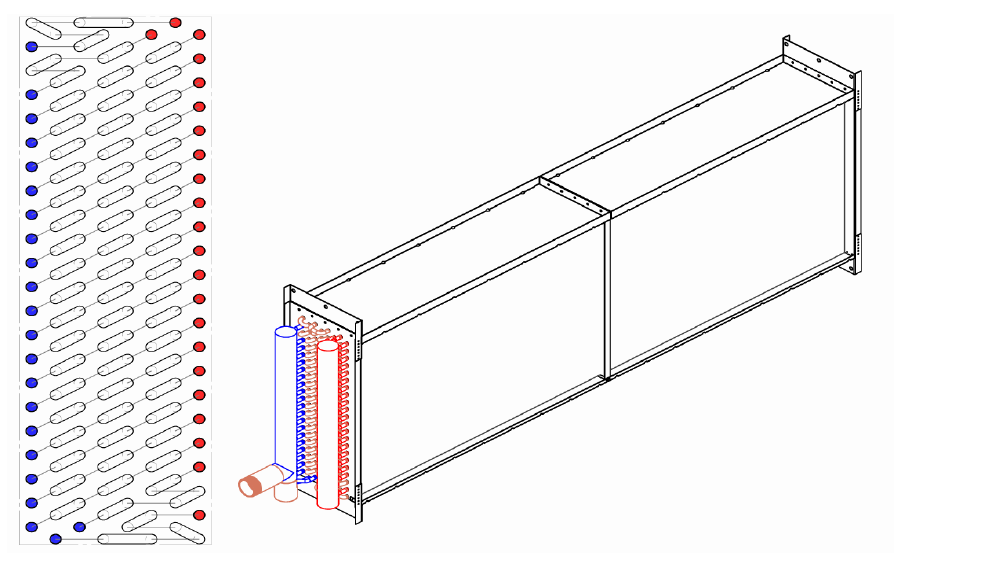
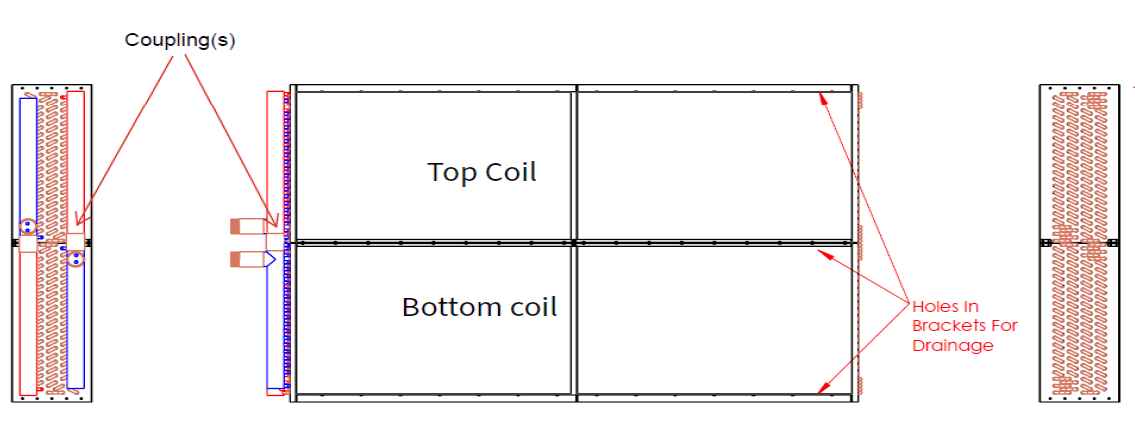
A single coil is divided horizontally, creating a top and bottom section. How It Works: The coil’s supply and return headers are fabricated with precision couplings designed to align both sections during installation. Once the coils are set in position, the top and bottom headers are welded or brazed shut, completing the assembly and restoring a continuous circuit. Technical Considerations: Depending on the model or coil geometry, the main connection points may shift slightly between the original and split versions. Minor field repiping adjustments may be required to align the coil’s supply and return lines with existing piping. These adjustments are minimal and typically performed within standard installation practices.
Applications: Ideal for vertical units or air handlers with height restrictions. Perfect for installations where access is limited to door or hallway dimensions. Advantages: - No divider plates or gasket seals. - Maintains full operating pressure rating. - Reduces fabrication complexity and cost. - Simplified field assembly with welded couplings. - Minimizes installation footprint and handling weight.
Top/Bottom Coil Example:
Assembled Example Below:
Option 2: Split by Fin Length (Side-by-Side Coil)
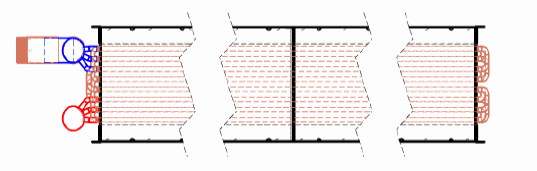
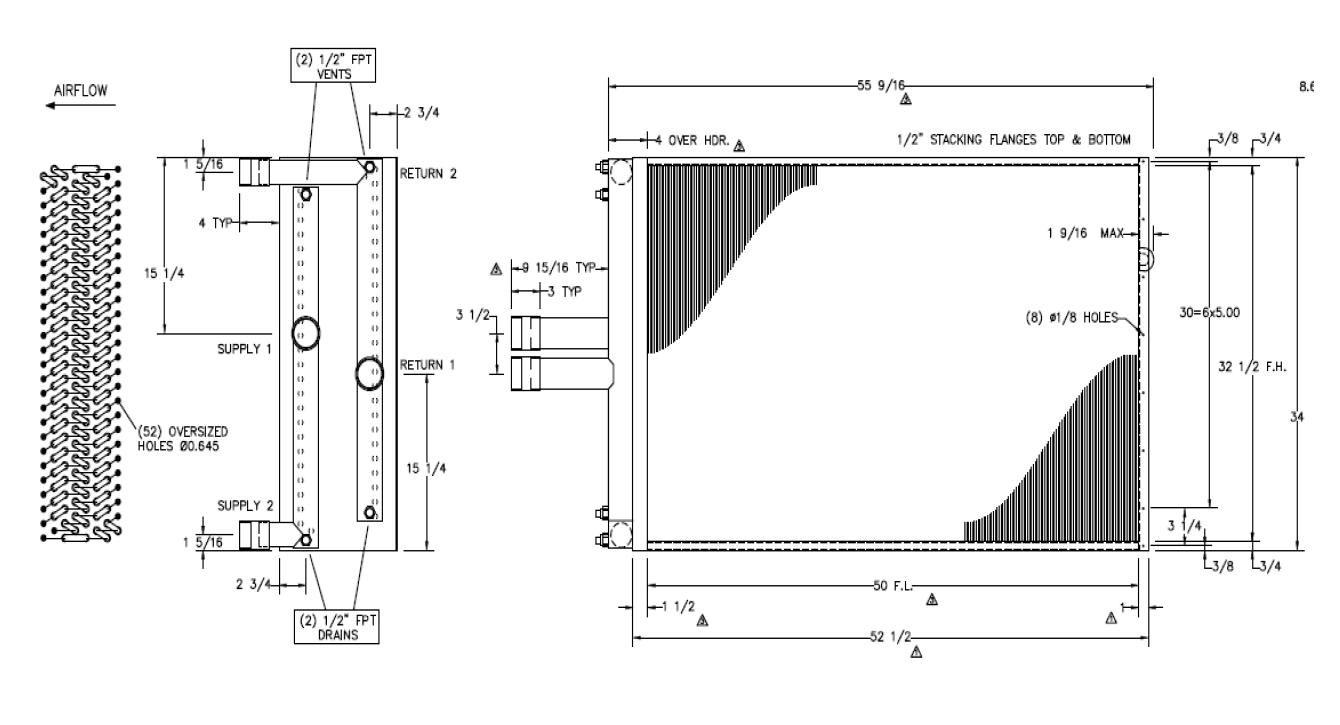
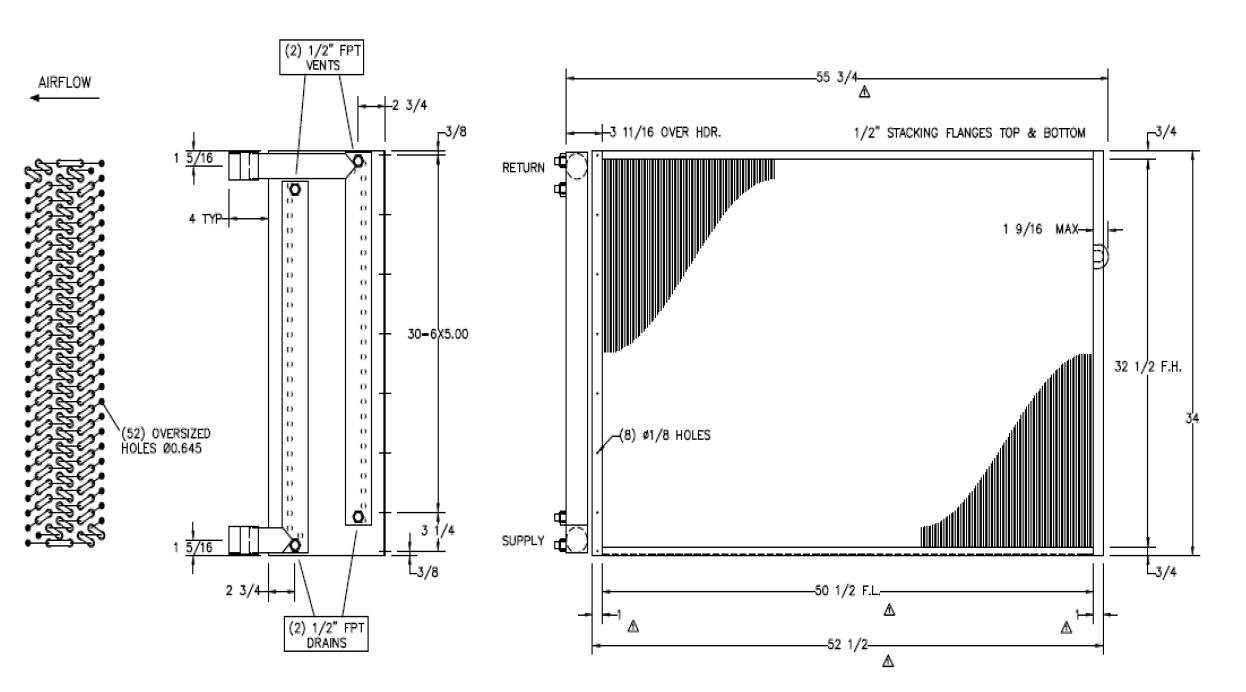
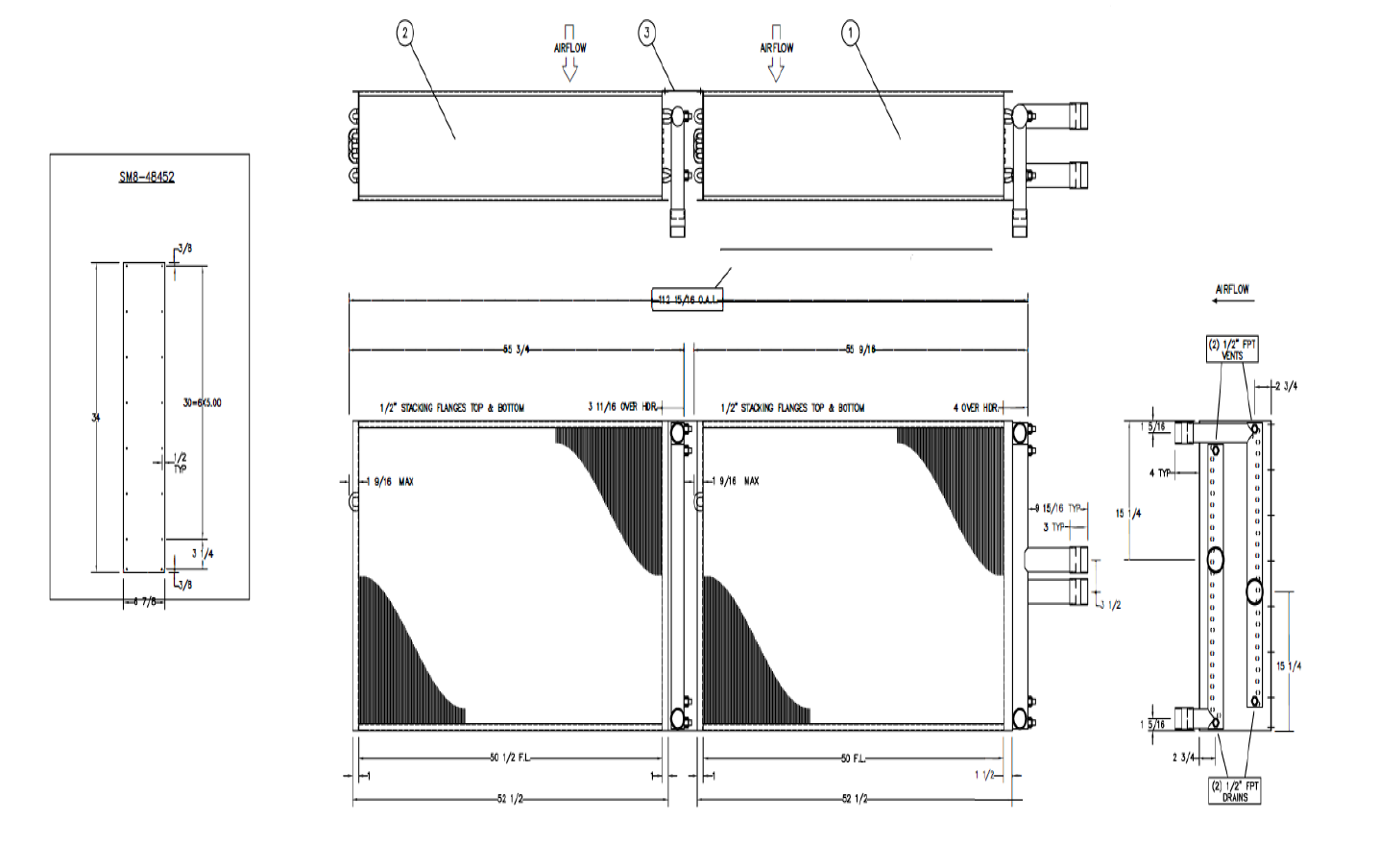
A single coil is divided vertically, creating a header side and return bend side that can be piped together in sequence. How It Works: The Header Side coil is fabricated with four connections—two for the main system supply and return, and two that turn 90° toward the leaving air side. The Return Bend Side coil features its own headers with two connections, also turned 90° toward the leaving air side. Once both coils are positioned, the header side coil feeds the return bend side coil through short interconnecting piping runs, creating a single continuous circuit. Technical Considerations: In certain models, connection orientations or spacing may vary slightly from the original coil design. Installers should anticipate minor repiping or header alignment adjustments to ensure smooth field integration. These are standard adjustments that can be completed without specialized equipment or significant field rework.
For this configuration, additional brackets or center support may be required to stabilize the coils when set in place and to maintain alignment during operation. Applications: Ideal for horizontal units, tight mechanical rooms, or multi-section air handlers. Suitable for retrofits where coil depth or access is restricted. Advantages: - Modular installation for confined spaces. - Eliminates the need for divider plates and pressure restrictions. - Maintains system capacity and flow characteristics. - Simplifies transport and installation logistics.
Header Side Coil Example:
Bend Side Coil Example:
Coil Assembly Example (Side-by-Side Coil Combined)
Installation Advantages
Both split coil options provide significant installation benefits: - Avoid crane rentals: Split coils can be transported through standard service elevators or stairwells. - No wall cutting or structural modifications: Coil sections fit through existing access openings. - Reduced downtime: Assembly and sealing can be completed quickly once sections are in place. - Lower labor and equipment costs: No need for heavy rigging or demolition. - Preserves equipment and building integrity: No compromise to air handler casing or mechanical room walls.
Key Benefits for Contractors
- Simplified field installation in confined or difficult-to-access locations. - Maintains system performance and pressure rating. - Reduces total project cost by eliminating crane, wall, or louver removal expenses. - Shorter lead times and faster turnaround. - Custom-built to match your exact coil design, performance, and circuiting requirements.
Additional Project Requirements
All split coil projects require a site visit before fabrication to ensure accurate measurements and proper design alignment. This step allows us to provide a precise and dependable proposal tailored to your installation conditions.
We can also supply drain pans, either intermediate or main pans, as required by the application to ensure proper condensate management and long-term system reliability.
Comparative Performance Metrics
Coil Tag: As built - Single Piece
Coil Model Number: 4W-08-32.5-10-110.0-52
Hand:Right
Coil Tag: Side-by-Side Split
Coil Model Number: 4W-08-32.5-14-50.5-26
Hand: Right
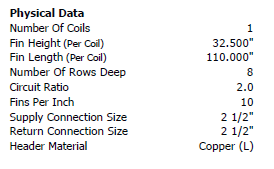
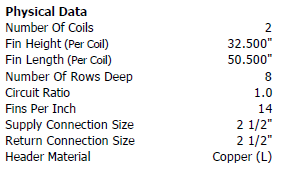
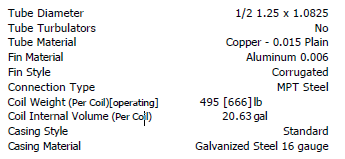
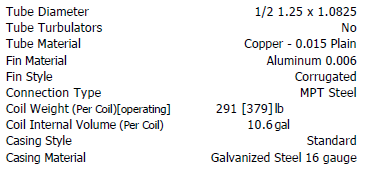
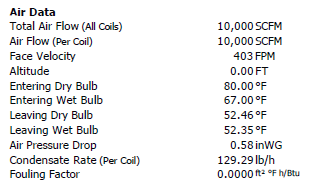
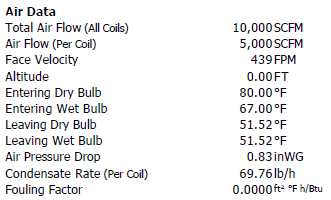
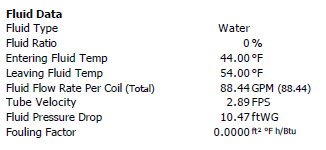
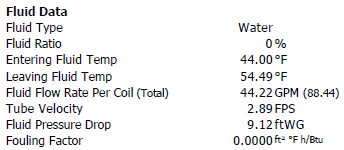
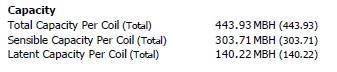

By adjusting the FPI and circuitry, even though the total surface area decreases on the face of the coil, we are able to increase the overall performance of the unit with minimal effect to fluid and air pressure drops.
Notes:
Certified in accordance with the AHRI Forced-Circulation Air-Cooling and Air-Heating Coils Certification Program which is based
on AHRI Standard 410 within the Range of Standard Rating Conditions listed in Table 1 of the Standard. Certified units may be
found in the AHRI Directory at www.ahridirectory.org