How Do Seasonal Changes Affect Commercial HVAC Systems
Commercial HVAC systems are manufactured to operate year-round, yet as the seasons change, so do the demands on the system. As outdoor temperatures shift and humidity levels fluctuate with each season, the operating conditions and requirements transition as well, which has a substantial impact on your system. This directly impacts efficiency and wear on your system, making it crucial to understand how each seasonal change affects your system. Below is a breakdown for each season, as well as some recommendations for how to properly manage these changes.
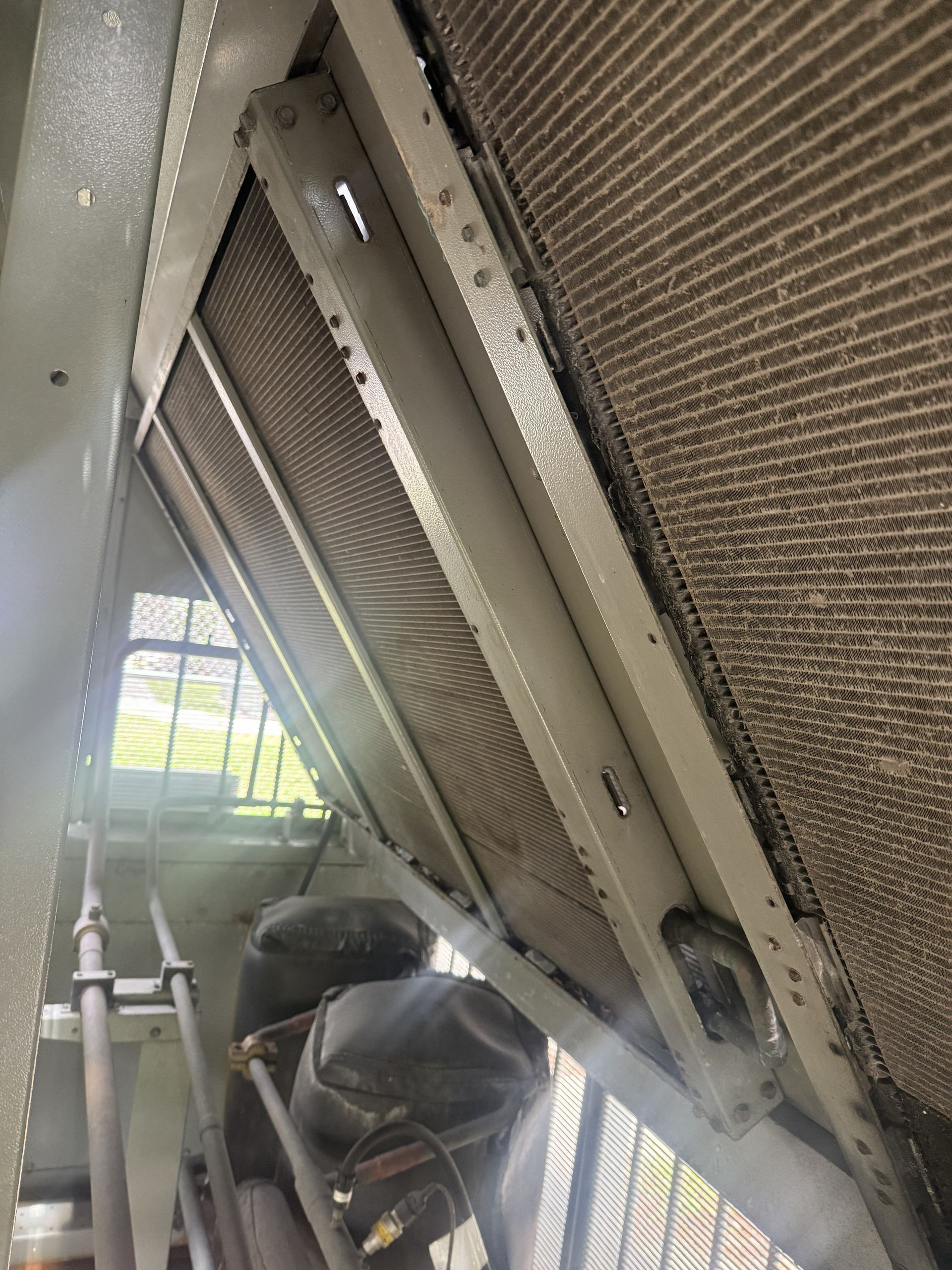
During the summertime, commercial HVAC systems face the increased cooling demands present during this season. Higher outdoor temperatures mean that cooling coils need to work harder to maintain indoor temperatures. In addition to temperatures changing, humidity levels rise, which affects the level of moisture commercial HVAC coils need to remove from the air. During the summertime, commercial systems experience extended operating hours in order to constantly keep building temperatures cool, which can add stress to your system and increase wear on your coils. During summertime, cooling performance and proper heat transfer are particularly important in order to manage this peak cooling demand.
The fall is a transition period for commercial HVAC from cooling to heating. During the fall, systems alternate daily between heating and cooling, and cooling coils get a break from their constant use during the summertime. Because of this transition from cooling to heating, fall is an ideal time to make sure that your system is running smoothly after summer and prepared for winter. During the fall, make sure to inspect various aspects of your coils, particularly heating coils, valves, controls, and other components. Fall is also the perfect time to focus on maintenance concerns for your system before the heating season begins.
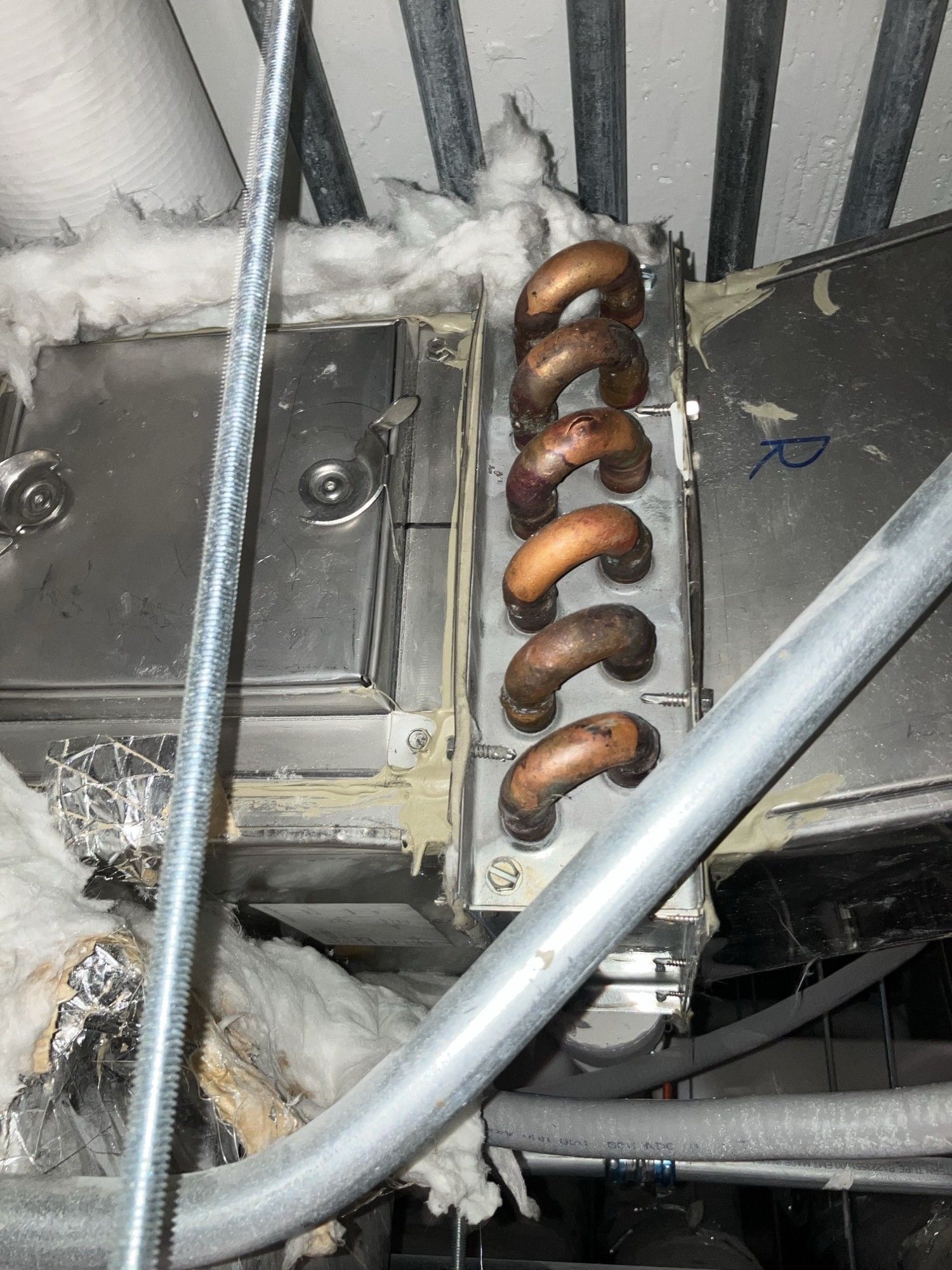
The winter season brings in full force the effects that come from cold and freezing temperatures. This is peak heating season, where your heating coils work the hardest to maintain warm indoor temperatures. In addition, water coils that are exposed to freezing winter conditions may suffer from freeze damage due to the water freezing and expanding inside the coil. The only way to guarantee protection from freeze damage is to properly drain your coil. We have discussed the winterization process for water coils in a separate blog, which can be found here. During the wintertime, prioritize freeze damage prevention and proper maintenance so that your coils can withstand the frigid temperatures.
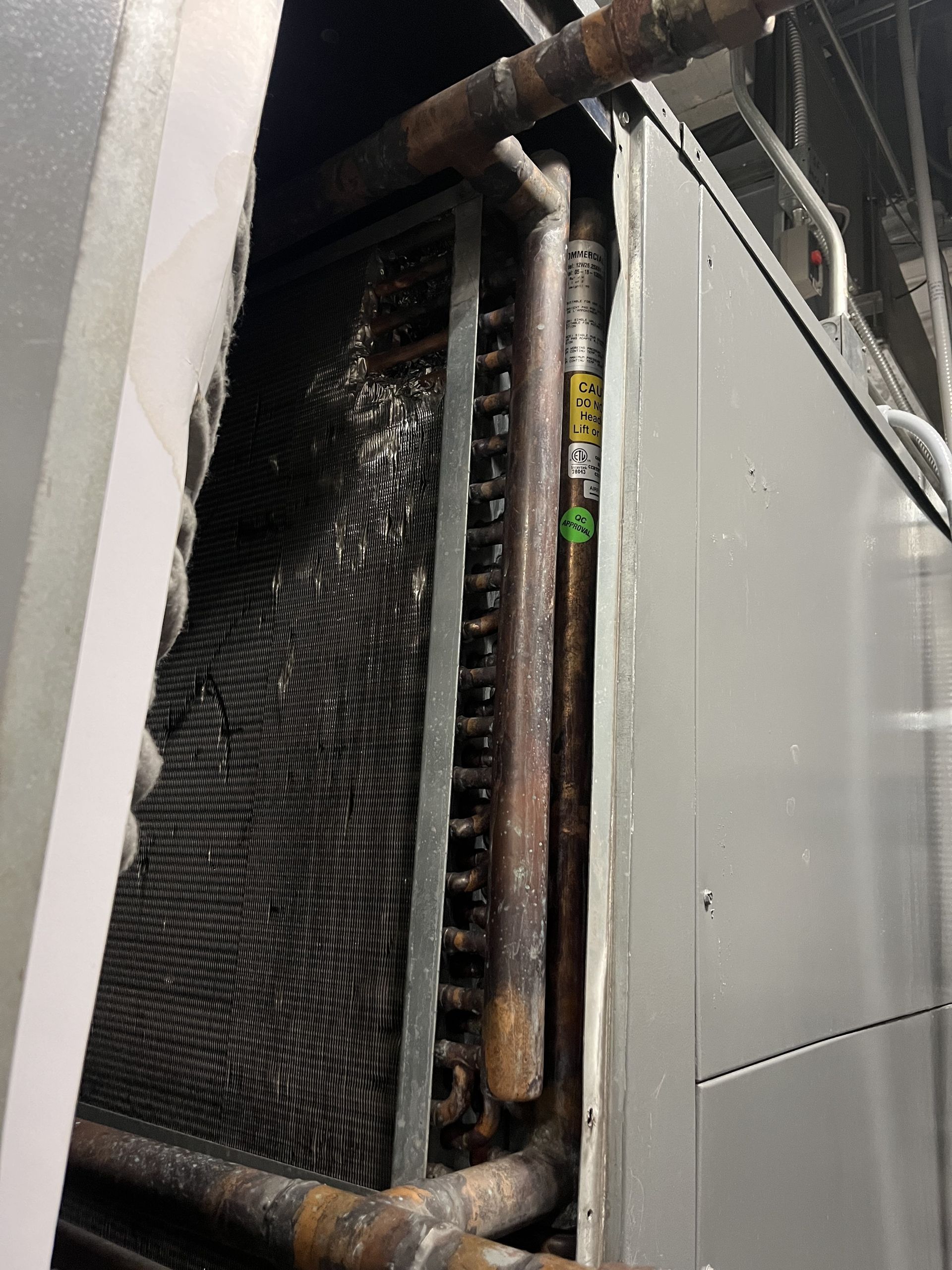
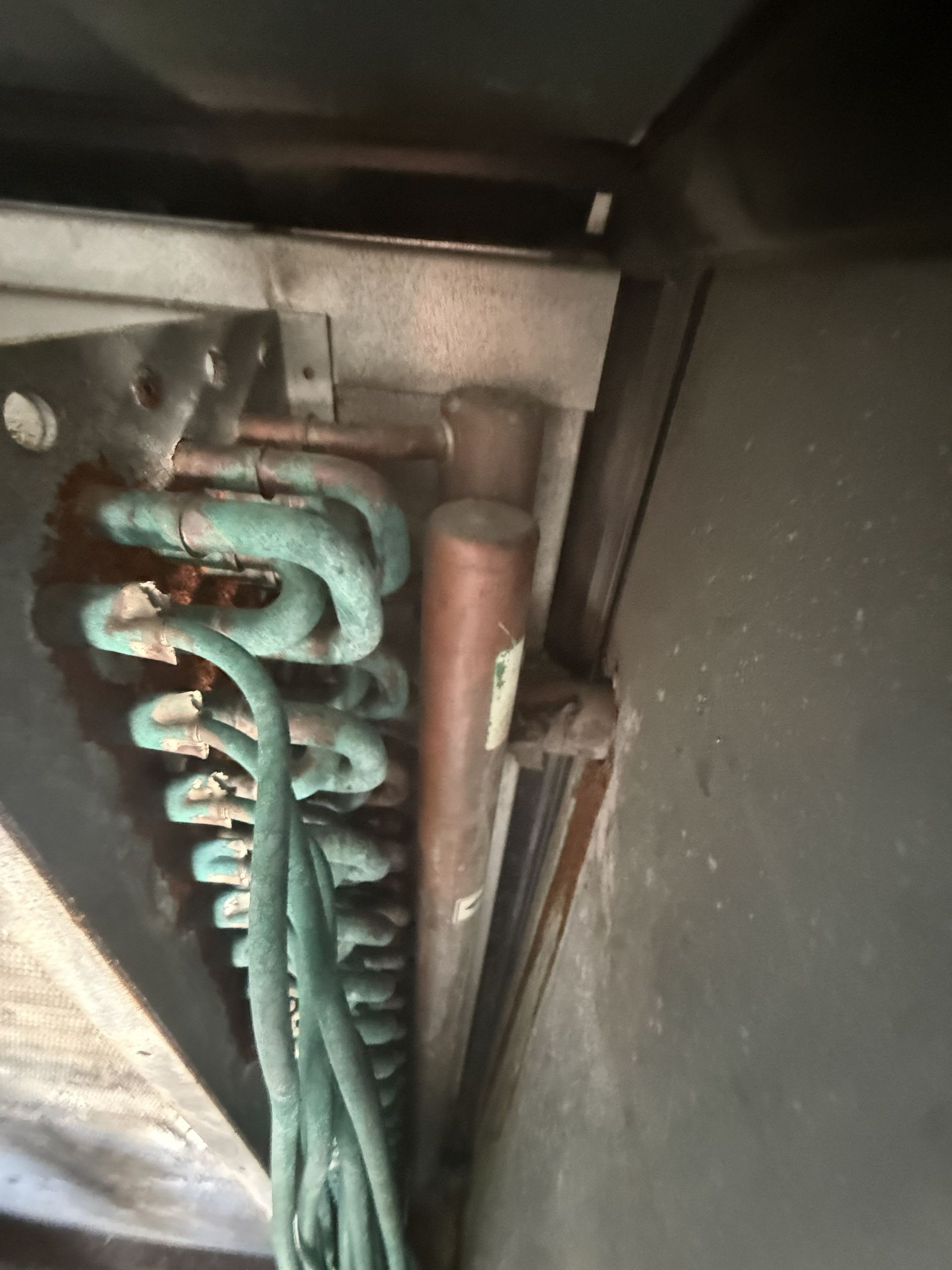
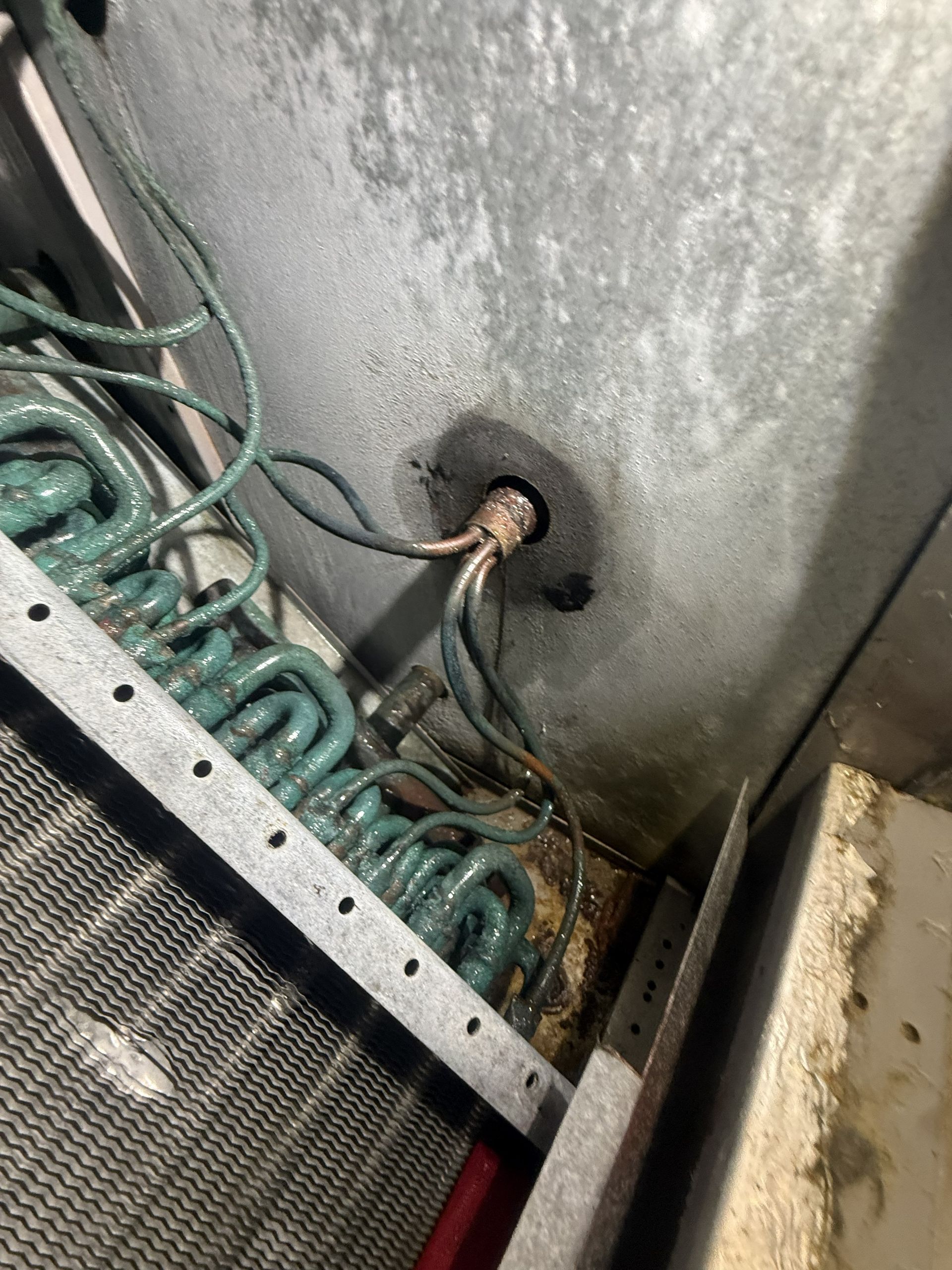
The spring season is very similar to the fall, with temperatures fluctuating by day and altering the requirements of your system. Instead of preparing for the winter, in the spring you should prepare for the summer, and thoroughly inspect both your system and the coils inside to ensure they have lasted the winter and are ready for the summer. This looks like inspecting cooling coils for signs of deterioration, checking the drainage and condensate lines, and evaluating system performance overall. Performing these tasks will make sure that your system is prepared for the cooling season as the cycle continues.
At HeatEX Technologies, we want to make sure that your system is prepared for every demand that it needs to face. Regardless of which season it is, if your coil experiences failure, nobody is better equipped to handle your replacement project than HeatEX Technologies. We understand the effect that the different seasons place on your equipment and manufacture custom coil replacements designed to meet existing requirements and even improve your system for future seasons. The next time you experience coil failure, give HeatEX a call, and we will take care of you and your team.